ParaTrex 728x90 Animated 90% could you be one
Showing posts with label calcium. Show all posts

Friday, August 08, 2008

Chelation Therapy

Here is occlusive coronary atherosclerosis. The coronary at the left is narrowed by 60 to 70%. The coronary at the right is even worse with evidence for previous thrombosis with organization of the thrombus and recanalization such that there are three small lumens remaining.

Atherosclerosis, or "hardening of the arteries", is the cause of two most deadly health problems Unfortunately, it begins quite early in life and continues relentlessly until circulation is so compromised that a heart attack or a stroke is almost certain. The process begins innocently enough, by formation of a small plaque on the wall of an artery. It attracts platelets that form a small blood clot. Later on, additional clotting elements increase the size of the clot. Eventually cholesterol and calcium get deposited into the growing plaque. Calcium completes this process, making the arteries "hard".

This is a normal coronary artery with no atherosclerosis and a wide lumen that can carry as much blood as the myocardium requires. Normally arteries have the ability to expand or contract, depending on the need of the body. But once the calcium is settled on the arterial walls, they become rigid, unable to either expand or contract. That’s where the expression "hardening of the arteries" comes from. The cells of the body require continuous blood supply in order to live. When it stops, most cells die within a few minutes. If this happens in the heart, the result is known as a heart attack. In the brain, it is called a stroke.

MAJOR SYMPTOMS Chest pain (angina) because of decreased circulation within the heart, memory loss, dizziness, poor balance from reduced blood flow to the brain, pain in the legs after walking which is relieved by rest.

TRADITIONAL – TREATMENT Hardening of the arteries is a systemic disease. In other words, it happens throughout the body, not just in one or 2 areas. If you understand this, you will realize that the current approach to treatment is crude, primitive and misguided. Some experts have compared it to putting a band-aid on a major injury.

When a surgeon performs a bypass surgery or an angioplasty, it does nothing to correct the widespread atherosclerosis already present in other parts of the body, such as brain, kidneys, lungs, legs and everywhere else. To complicate matters further, most of the arteries are very small. They are called capillaries, and they comprise the majority of the 40 to 60 thousand miles or arteries feeding the tissues of the body.

The diameter of a capillary is smaller than the size of a red blood cell. This is necessary for the exchange of oxygen and nutrients to take place. Obviously, these arteries can not be bypassed or surgically manipulated. Various medications used for "treatment" of heart disease are designed to deal only with the symptoms, not the real causes of the problem. Clearly, the real treatment for atherosclerosis would be a procedure that removes the plaques from the arteries and restores blood flow all over the body, in large arteries as well as small ones. And this brings us to

CHELATION – THERAPY
Chelation Therapy is probably one of the most effective treatments for hardening of the arteries, yet it is being ignored and even maligned by mainstream medicine. Chelation therapy was used successfully in over 1 million clients over the last 40 plus years. The main ingredient of chelation therapy is a synthetic amino acid known as EDTA (ethylene-diamine-tetra-acetic acid). It has a peculiar ability to strongly attract minerals, especially toxic metals - lead, mercury, cadmium, aluminum and others. Since then, a number of studies published in reputable medical journals have confirmed the effectiveness of IV chelation therapy for treating atherosclerosis and improving blood flow to the heart, the legs and the brain.

Chemical & Heavy Metal Cleanse Starter Kit

Chemical & Heavy Metal Cleanse Starter Kit

$149.85
[ learn more ]

Add to Cart

The Chemical & Heavy Metal Starter Kit was designed by Dr. Group for individuals that are new to the cleansing process, or are simply looking for an easy-to-perform, cost effective cleanse program. The Heavy Metal Starter Kit is comprised of LIFE Detox Foot Patches™, NDF Plus™, and Quantum Zeolite™.

Sunday, March 16, 2008

What is a "Kidney Cleanse" ?

A Kidney cleanse is a procedure aimed at dissolving Kidney stones - stones formed inside kidneys.

Kidney cleanse can also be used for improving kidney health by flushing out toxins accumulated inside kidney tissues.

There are many different kinds of Kidney stones. Sometimes, it can take days to dissolve them, sometimes it can take months. Sometimes, water is enough, sometimes, you may need several different remedies.

Crystals form in urine from various salts that build up on the inner surfaces of the kidney. Eventually these crystals become large enough to form stones in the kidney (called nephrolithiasis).

Such salts may include calcium oxalate, uric acid, cystine, or xanthine. These salts can become extremely concentrated under certain circumstances: if the volume of urine is significantly reduced (chronic thirst and dehydration); or if abnormally high amounts of crystal-forming salts are present (infection). When concentration levels reach the point at which the salts no longer dissolve, they precipitate out and form crystals.

Stones may also form in the ureter or the bladder. The salts that form these stones are made up of combinations of minerals and other chemicals, some of which are derived from a person's diet.

more discussion: Forum· Addiction Forum · Ask the Doctors Forum · Ayurveda Forum · Ayurvedic & Thai Herbs Forum · Colon Cleansing Forum · Dental Forum · Diabetes Forum · Diet Forum · General Cleansing Forum · Hepatitis A, B. C Forum · Integrated Medicine Forum · Live Blood Analysis Forum · Ozone-Oxygen-Forum · pH - Alkaline - Acidity Forum · Weight Loss Forum

Sunday, December 02, 2007

Extra Doses of Vitamins C, E Don't Guard Against Preeclampsia

(HealthDay News) -- Taking extra doses of vitamins E and C doesn't reduce the chances of the blood pressure disorder preeclampsia in women who are at risk for the dangerous pregnancy complication, a new report finds.

The study casts real doubt on the effectiveness of this regimen in preventing preeclampsia, said study author Dr. Joseph A. Spinnato II, a professor of obstetrics and gynecology at the University of Cincinnati College of Medicine. "There were those that were arguing that the evidence was enough prior to our publication, so I think this is added weight," he said.

There may be other avenues of hope, however.

"The article was compelling and a little disappointing, but the authors left us with an out at the end of the article, that perhaps we shouldn't give E and C at the same time because the E might negate the C," said Dr. Miriam Greene, an assistant professor of obstetrics and gynecology at New York University School of Medicine in New York City. "You can continue and try to do the two separately. They did prove that the drugs were safe."

The findings appears in the December issue of Obstetrics & Gynecology.

Preeclampsia, which occurs in about 5 percent of all pregnant women in the United States, can lead to sudden high blood pressure and irregular blood flow. This can activate platelets and the clotting system, which in turn slows blood flow further.

Risk factors for preeclampsia include: first pregnancy, 10 years since previous pregnancy, carrying multiple fetuses, being overweight, being under 20 or over 35, or having a history of high blood pressure, diabetes, kidney disease, lupus or preeclampsia in a previous pregnancy, according to the March of Dimes.

At present, medical professionals have no clear guidance on how to prevent this potentially fatal condition.

"We don't have a good way to reduce the incidence of preeclampsia, except in calcium-deficient populations and those tend not to be in the U.S.," Spinnato said. "There is some evidence that still supports the use of baby aspirin among patients at risk, but even that is argued pretty heavily."

An Australian study published last year also found no benefit to vitamin C and E supplementation.

The current study involved 707 women at four Brazilian sites who were in their second trimester of pregnancy and who had chronic hypertension or a prior history of preeclampsia.
The women were randomly assigned to receive 1,000 milligrams of vitamin C with 400 International Units of vitamin E or a placebo daily.

The rate of preeclampsia was 13.8 percent in the vitamin group and 15.6 percent in placebo group, which was not a statistically significant difference.

There appeared to be no harmful effects on the fetus, a finding echoed in previous trials.
But this study had one surprise finding: more frequent premature rupture of membranes among women taking vitamins. "That was completely unexpected," said Spinnato, who is following up on the finding.

Other than the possibility that vitamin E is canceling out vitamin C, there is no clear explanation for why the combination didn't work.

"One of the continuing challenges to vitamin supplementation as a general thing is getting it from leafy vegetables is different than getting it from a pill," Spinnato said. "There are also those who argue that we didn't start [giving the vitamins] early enough, but that argument is difficult to swallow. There are medical and legal ramifications even for vitamins."

More information
To learn more about preeclampsia, visit the March of Dimes.

more discussion: Forum
· Addiction Forum · Ask the Doctors Forum · Ayurveda Forum · Ayurvedic & Thai Herbs Forum · Colon Cleansing Forum · Dental Forum · Diabetes Forum · Diet Forum · General Cleansing Forum · Hepatitis A, B. C Forum · Integrated Medicine Forum · Live Blood Analysis Forum · Ozone-Oxygen-Forum · pH - Alkaline - Acidity Forum · Weight Loss Forum

Tuesday, July 24, 2007

Lactose Intolerance Doesn't Mean Goodbye to Dairy

(HealthDay News) -- If your child is lactose-intolerant, you probably shy away from giving him or her milk or other dairy products. But that may not be the best tactic to take, experts say.

In fact, the American Academy of Pediatricians -- America's largest organization of pediatricians -- is urging the moms and the dads of lactose-intolerant kids to at least give dairy a chance.

The AAP issued new guidelines several months ago that advise parents to not give up on giving their lactose-intolerant children dairy products. The reason: The calcium in these foods is important for bone mineral health, and dairy products also contain other nutrients important for growth in children and teens.

Lactose intolerance is often mild enough so that kids can tolerate at least some milk and milk products, experts added.

"Lactose intolerance is relatively common," noted Dr. Melvin Heyman, a professor of pediatrics at the University of California, San Francisco, and a member of the committee that wrote the AAP guidelines.

While he was not familiar with any study citing the exact prevalence, he estimated that 20 percent or 30 percent of U.S. children have "some degree of lactose intolerance."

However, "there is a lot of confusion," Heyman said. Parents often confuse milk protein intolerance and lactose intolerance, he said. "Some people do get allergic to the protein in milk," he added. That condition can be serious but probably affects only three to five percent of children in the U.S., he said.

An intolerance for lactose -- the sugar found in milk -- is much more common. Even with this sensitivity, Heyman said, the new thinking is that children may still tolerate some dairy.

To be sure calcium intake is sufficient, Heyman sometimes tells parents to focus more on yogurt and cheese than on milk, especially if milk gives their child the classic intolerance symptom of abdominal pain. "There is less lactose in yogurt and cheese compared to milk," he explained.

Or, your child may be able to drink a little milk without the reaction of stomach pain, he said.
Parents can also educate themselves about lactose intolerance, added Dr. Frank Greer, a professor of pediatrics at the University of Wisconsin, Madison, and chairman of the Academy's Committee on Nutrition.

"If you child is going to have a lactose-intolerance problem, it's usually identified as a problem in the first five years," Greer said. Certain ethnic and racial groups are more likely to suffer from the condition, including blacks, Hispanics and some Asians, he added.

Even if there is a problem, Greer said, "the position now is that your child, even if lactose intolerant, can really tolerate small amounts of lactose, especially in dairy products other than milk, such as yogurt and cheese. Even with milk, you can sort of build up a tolerance."

Moderation may be key, Heyman said. Your child may be able to have one glass of milk, but probably not two or three in a day.

If you suspect your child has lactose intolerance, Heyman said, your pediatrician will probably suggest taking him or her off all dairy for two weeks. "If the symptoms go away, we can be pretty sure it's lactose intolerance," he said.

If it's still not clear, there is a simple in-office test your doctor can do, Heyman noted.
When choosing dairy products for your child, look at the label to be sure you are getting a healthy dose of calcium. "Ideal would be the same amount as in milk, 250 or 300 milligrams [per serving]," he said.

More information
There's more on lactose intolerance at the U.S. National Institute of Diabetes and Digestive and Kidney Diseases.

Tuesday, July 03, 2007

Soy Nuts Lower Blood Pressure in Postmenopausal Women

(HealthDay News) -- Soy nuts may help lower blood pressure in postmenopausal women, a new U.S. study finds.

Researchers at Beth Israel Deaconess Medical Center in Boston studied 60 healthy women -- 12 with high blood pressure (140/90 milligrams of mercury or higher) and 48 with normal blood pressure. All the women ate two kinds of diets for eight weeks each.

One was the Therapeutic Lifestyle Changes (TLC) diet, which consisted of 30 percent of calories from fat (with 7 percent or less from saturated fat), 15 percent from protein, and 55 percent from carbohydrates, 1,200 milligrams of calcium per day, two meals of fatty fish (such as salmon or tuna) per week, and less than 200 milligrams of cholesterol a day.

The other diet had the same calorie, fat and protein content, but the women replaced 25 grams of protein intake with one-half cup of unsalted soy nuts.

"Soy nut supplementation significantly reduced systolic (top number) and diastolic (bottom number) blood pressure in all 12 hypertensive women and in 40 of the 48 normotensive women," the study authors wrote.

"Compared with the TLC diet alone, the TLC diet plus soy nuts lowered systolic and diastolic blood pressure 9.9 percent and 6.8 percent, respectively, in hypertensive women, and 5.2 percent and 2.9 percent, respectively, in normotensive women."

In women with high blood pressure, the soy nuts also decreased levels of low-density lipoprotein ("bad") cholesterol by an average of 11 percent and levels of apoliprotein B (a particle that carries bad cholesterol) by an average of 8 percent.

The study was published in the May 28 issue of the journal Archives of Internal Medicine.

More information
The American Academy of Family Physicians has more about high blood pressure and how to lower it.

Wednesday, December 20, 2006

The Most Powerful and Advanced Ionizers - So much More than Clean Water ...

Last year there were more Jupiter Melody ionizers sold in the USA than by all other retail models by all other companies combined!

With a great value price, super reliability, new Biostone filter, fully automated features, 9 levels of pH, strongest ORP and two year warranty, the Melody has been the preferred choice for the USA and for such authorities as Sang Whang (author of Reverse Aging) and Dr Robert Young (author of The pH Miracle).

Although now on the market for about two years, no other company has yet produced a model like the Melody, that always gives alkaline water - even when it cleans.

No other model offers a Biostone filter as fine as .01M and no other model is as yet as reliable or powerful.

That is, no other model until Jupiter released the best of the best for those who want clean water AND the ultimate healthy water.

So what makes these latest models, the Aquarius and Orion, even more user friendly and advanced than the Melody?

The new improvements are:
Design: Until now, all ionizers had a certain Asian sameness in their design. The Aquarius and Orion/ Alphion, while identical on the inside, present to you a choice of two distinctive Westernized exteriors.

The Orion with its sleek curves and stainless steel look is an easy match for those liking understated eloquence. The Aquarius with its flat front panel, displays a subtle mix of dark crimson tones, that brings out a pleasing warmth to any kitchen.

Consistency
In the USA the water supply can vary a lot from state to state. Because of this difference in source water, different ionizers at the same alkaline settings will produce different alkaline levels. Now in the new Jupiter Aquarius and Orion there is a patented SOL valve and triple diaphragms that adjusts the water flow automatically. This means that you now get the correct pH level no matter what your input water is, or if there is a change in your water pressure or flow rate.

Durability
These new units include the patented DARC (double action reverse cleaning) system. This feature completely removes any scale from the electronic cell helping to make sure your ionizer stays in top working condition.

*** NOTE - If you are using well water, a water distiller or a Reverse Osmosis machine please contact us first so we can help you remineralize or clean your water before it enters your Jupiter ionizer.

Company Background
Jupiter Science has been making water ionizers since 1982 and before that were making medical equipment. Their research department is constantly at work looking at how to improve performance without having to increase power consumption or take up extra room with a bulky ionizing chamber.

As the leading manufacturer of quality water ionizers, Jupiter has an ISO9001 certified production plant that can produce well over 100,000 ionizers a month (90% of all water ionizers).

All Jupiter's ionization chambers are made in their Japanese factory where 21 Engineers with Doctorates continue to research and improve on design, functionality and durability. It is Jupiter models that continue to be the choice brand for such large companies as Huyundai, Samsung, LG and Toyo. Jupiter also sells more units in the USA than all the other water ionizer companies combined.

You can have confidence that Jupiter's quality control, advanced research and great pricing will make your ionizer purchase a happy and trouble-free experience.

Performance
In their latest models are five of the most advanced platinum-titanium electrodes in the world. When a cross section of an electrode is examined at 700 times magnification, you can see that the electrodes are now covered in a super fine mesh with very distinct points and valleys.

This greatly increases the surface area without having to increase the size. We guarantee that no other models, regardless of price, will produce, under similar conditions, such a high and low pH or ORP (Oxygen reduction Potential).

Ease of Use
The easy to read digital indicator tells you the remaining water filter life. Optimum performance is ensured by always changing your filter on time. In addition to the digital counter, a new indicator light will flicker when your current filter life is up, reminding you to change your filter.
Your new ionizer also has an attractive colored LCD display that easily identifies your selections. Easy to understand symbols and colors identify the type and level of water you have selected.

MICOM Technology
The MICOM control system optimizes the pH and ORP of your water and helps keeps your ionizer in top working condition. A new indicator light alerts you if service is needed on your ionizer.

3 Year Warranty: With a record low return rate on existing models, Jupiter and IonLife offer with confidence a full three year warranty on the Aquarius and Orion/ Alphion. Offering a three year warranty is another world first for Jupiter Science.

Similar to the Melody, The Aquarius and Orion also include:
A top quality, 9 step, single-body multi-stage filter. Premium filter materials ensure production of healthier and cleaner water, trapping a wide variety of contaminants while allowing beneficial minerals to pass through. These filters contain NSF carbon from the UK, Natural mineral calcium from Japan and KDFA certified Biostone ceramics from Korea.

A voice indicator that alerts you to your selection of alkaline, acidic or purified water. You can adjust the volume level or simply switch the sound ON/OFF as you desire.

9 settings of pH with easy convenience of one-touch operation.

Enhanced convenience in filter replacement - the spring-loaded filter housing makes it a snap to replace your filter.

Choice of three repair depots in the USA. We guarantee caring, ongoing support and prompt service.

Jupiter Science
Aquarius and Orion/Alphion
Energized, healthy water as close as your kitchen sink!

To order your Aquarius or Orion/Alphion go to: http://www.phmiracleliving.com/jupiter.htm
ph Miracle Center

Saturday, October 28, 2006

Aluminum

Aluminum toxicity is a serious condition that occurs when a person absorbs excessive amounts of aluminum—a metal that often deposits itself in the brain. Aluminum is the most abundant metallic element in the earth’s crust and is introduced into the body through the digestive system, lungs and skin, before it is absorbed into the tissues.

The highest exposure to aluminum is most frequently due to chronic consumption of aluminum-containing antacid products. Research shows that aluminum builds up in the body over time, creating an increased health hazard as people get older.

Aluminum toxicity can lead to symptoms similar to Alzheimer’s disease and osteoporosis and can impair kidney function. Aluminum toxicity can also lead to colic, rickets, gastrointestinal problems, poor calcium metabolism, anemia, headaches and decreased liver function. A disturbing pattern of aluminum accumulation and interference with normal neurological function appears to be supported in many scientific arenas.

Recent studies suggest that aluminum contributes to neurological disorders such as Alzheimer’s disease, Parkinson’s disease, senile and pre-senile dementia, clumsiness of movements, staggering when walking, and the inability to pronounce words properly. Autopsies, performed on people who have died of Alzheimer’s disease, showed accumulations of up to four times the normal amount of aluminum in the nerve cells of the brain. Levels were especially high in the hippocampus, which plays a central role in memory.

There are also geographical links between Alzheimer’s disease and high aluminum in drinking water. Elevated hair aluminum has been observed in Alzheimer’s patients. Amyotrophic lateral sclerosis, another neurodegenerative disease, may also be linked to aluminum content of water supplies. Behavioral difficulties among schoolchildren have also been associated with elevated levels of aluminum and other neurotoxic heavy metals. Studies show that dyslexic children have higher levels of aluminum in their hair, when compared with controls.

Chemical & Heavy Metal Cleanse Starter Kit

Chemical & Heavy Metal Cleanse Starter Kit

$149.85
[ learn more ]

Add to Cart

The Chemical & Heavy Metal Starter Kit was designed by Dr. Group for individuals that are new to the cleansing process, or are simply looking for an easy-to-perform, cost effective cleanse program. The Heavy Metal Starter Kit is comprised of LIFE Detox Foot Patches™, NDF Plus™, and Quantum Zeolite™.

Thursday, October 19, 2006

Detoxamin CaEDTA Suppositories to Treat Elevated Blood Lead Levels in Children

Detoxamin CaEDTA Suppositories to Treat Elevated Blood Lead Levels in Children
Ted Rozema, MD

Summary: The test results clearly demonstrate the high level of effectiveness of removing lead from the human body with Calcium disodium EDTA rectal suppositories. The effect of lead poisoning on high percentages of the pediatric population is cause for concern.

Lead poisoning is one of the most common and preventable pediatric health problems today. Currently, the primary form of medical intervention consists of expensive and painful CaEDTA intramuscular injection.

The availability of an easily administered effective medical treatment is an important component in controlling the worldwide lead poisoning epidemic.

Introduction: Childhood lead poisoning is one of the most common pediatric health problems in the world today, and it is entirely preventable and reversible.

Enough is now known about the sources and pathways of lead exposure, about ways of preventing this exposure, and about ways of reducing the lead content of the body to begin the efforts to eradicate this disease permanently.

The persistence of lead poisoning, in light of all that is known, presents a singular and direct challenge to public health authorities, clinicians, regulatory agencies, and society. Lead is ubiquitous in the human environment as a result of industrialization. It has no known physiologic value.

Children are particularly susceptible to lead's toxic effects. Lead poisoning, for the most part, is silent: most poisoned children have no symptoms.

The vast majority of cases, therefore, go undiagnosed and untreated. Lead poisoning is widespread. It is not solely a problem of inner city or minority children. No socioeconomic group, geographic area, or racial or ethnic population is spared.

Previous lead statements issued by the Center for Disease Control (CDC) have acknowledged the adverse effects of lead at lower and lower levels. In the most recent previous CDC lead statement, published in 1985, the threshold for action was set at a blood lead level of 25 mcg/dL, although it was acknowledged that adverse effects occur below that level.

In the past several years, however, the scientific evidence showing that some adverse effects occur below levels at least as low as 10 mcg/dL in children has become so overwhelming and compelling that it must be a major force in determining how we approach childhood lead exposure.

It is not possible to select a single number to define lead poisoning. Epidemiological studies have identified harmful effects of lead in children at blood lead levels at least as low as 10 mcg/dL. Some studies have suggested harmful effects at even lower levels, but the body of information accumulated so far is not adequate for effects below about 10 mcg/dL to be evaluated definitively. As yet, no threshold has been identified for the harmful effects of lead.

Because 10 mcg/dL is the lower level of range at which effects are now identified, primary prevention activities are typically directed at reducing children's blood lead levels below 10 mcg/dL or 14 mcg/dL. While the overall goal should be to reduce children's blood lead levels below 10 mcg/dL, there are entrenched reasons for not attempting to do interventions directed at individual children to lower blood lead levels of 10-14 mcg/dL. First, practical medical interventions for children with blood lead levels in this range have previously been unavailable.

Second, the sheer numbers of children in this range would preclude effective case management in established intravenous therapy. Clearly, a simply and effective therapy such as suppository is needed. The single, all-purpose definition of childhood lead poisoning has been replaced with a multi-tiered approach, described in the following table:
CLASS
Blood leadconcentration (mcg/dL)

COMMENT
I 10 A child in Class I is not considered to be lead poisoned. IIA 10-14 Many children (or a large proportion of children) with bloodlead levels in this range should trigger community wide childhood lead poisoning prevention activities.

Children in this range may need to be rescreened more frequently. A decrease in blood lead level would be beneficial. IIB 15-19 Child should receive nutritional and educational interventionsand more frequent screening. If the blood lead level persists inthis range, environmental investigation and intervention should be done.

Non-invasive medical intervention should be done. III 20-44 Environmental evaluation, remediation and a medical examination should take place. Such a child needs pharmacological treatment of lead poisoning. IV 45-69 A child in Class IV will need both medical and environmentalinterventions, including even I.M. chelation therapy. V 69>

A child with Class V lead poisoning is a medical emergency. Medical and environmental managment must begin immediately.

Background: Lead is a poison that affects virtually every system in the body. The risks of lead exposure are not based on theoretical calculations.

They are well known from studies of children themselves and are not extrapolated from data on laboratory animals or high-dose occupational exposure.Since 1970, our understanding of childhood lead poisoning has changed substantially. As investigators have used more sensitive measures and better study designs, the generally recognized level for lead toxicity has progressively shifted downward.

Before the mid-1960's, a level above 60 mcg/dL was considered toxic (Chisholm and Harrison, 1956). By 1978, the defined level of toxicity had declined 50% to 30 mcg/dL.Lower blood lead levels cause adverse effects on the central nervous system, kidney and hematopoietic system. Blood lead levels as low as 10 mcg/dL, which do not cause distinctive symptoms, are associated with decreased intelligence and impaired neurobehavioral development (Davis and Svendsgaard, 1987; Mushak et al, 1989).

The concern about adverse effects on central nervous system functioning at blood lead levels as low as 10 mcg/dL is based on a large number of rigorous epidemiological and experimental studies. Several well-designed and carefully conducted cross-sectional and retrospective cohort studies in many different countries have been conducted (Lansdown et al., 1986; Fulton et al., 1987; Fergusson et al., 1988; Silva et al., 1988; Bergomi et al., 1989; Hansen et al., 1989; Hatzakis et al., 1989; Winneke et al., 1990; Lyngbye et al., 1990; Needleman et al., 1990; Yule et al., 1981; Hawk et al., 1986; Schroeder et al., 1985) Some inconsistencies can be found in the results of these studies, but the weight of the evidence clearly supports the hypothesis that decrements in children's cognition are evident at blood lead levels well below 25 mcg/dL.

No threshold for the lead-IQ relationship is discernable from these data. Recent evaluation of 24 major cross-sectional studies provides strong support for the hypothesis that children's IQ scores are inversely related to lead burden (Needleman and Gatsonis, 1990).According to the Natural Resources Defense Council, blood lead levels as low as 10 mcg/dL, which do not cause distinctive symptoms, are associated with reading and learning disabilities, reduced attention span and behavioral problems.

The ramifications of the proliferation of lead pollution from industrialization combined with the devastating effects of health are sobering. A simple and effective therapy, such as EDTA chelation via suppository, is urgently needed.Methods: A cluster of previously untreated children with high blood lead levels was desired for the purpose of testing the efficacy of Calcium disodium EDTA rectal suppositories to remove toxic metals from the human body. 1.) Determinization of study area: Friends of Lead Free Children, a non-profit organization connected to Columbia University and Fordham University, assisted in the search. A residential neighborhood in Haina, Dominican Republic as selected.

The residential neighborhood was located adjacent to a battery recycling plant. All preliminary testing indicated 100% of residents as markedly toxic with lead.2.) The selection of subjects into the study: Children who had been identified with blood lead levels over 10 mcg/dL were determined in a twenty four (24) hour urine collection by Ion Coupled Plasma Emission Spectroscopy.

Hg. Analysis was determined by cold vapour mercury analysis. 3.) Individual treatment of lead overload: Cautious removal of lead from body depots was achieved through the use of Calcium disodium EDTA rectal suppositories . The use of suppositories provided for the prevention of local corrosive action of toxic metals on mucous membranes.4.) Compensation: Compensation was not paid to subjects; however, no charges were incurred by participants for the drug and laboratory testing.5.) Safety: By determining the concentration of heavy metals in the urine following provocative stimulation, the therapy with EDTA was scientifically determined, providing a safe treatment program.

The study simultaneously provided diagnostic information regarding heavy metal burden as well as a defined treatment protocol for lead toxicity in a pediatric population. EDTA is a substance with low systemic and local toxicity and is generally well tolerated. The drug, per se, has been classified GRAS by the FDA, no cases of anaphylaxis have been reported through the oral administration of EDTA or through its use as a food additive.6.)

Alternative therapies: Alternative therapies were available for the treatment of metal intoxications, including (R,S)-2,3-dimercapto propane-1-sulfonic acid (DMPS) as well as its close standing analog DMSA. A significant advantage of using EDTA suppositories in a pediatric population include:—a) Cooperative binding constant for lead.—b) The suppository route of administration at bedtime was (is) an— easy and acceptable delivery system.—c)

The antioxidant/free radical quenching role of EDTA made it— superior over the other agents available due to the fact that— neurological dysfunction was (is) recognized as a result of free— radical mediated damage.—d) EDTA was already approved for oral administration by the FDA — and is on the GRAS list.—e) EDTA is an ANTIDOTE to counteract the TOXIC action of — lead from the environment.7.) Medical care: Medical care was provided by Universidad de Autonomia de Santa Domingo. In the event of a medical emergency connected with the study, subjects were to contact the appropriate center, but this was never necessary. In addition, all participants could receive product and clinical information by calling: Ted Rozema, M.D., and principal investigator.8.) Data coordination: Data was coordinated and maintained by the principal investigator, all data was statistically analyzed. Information was made available to all appropriate authorities, including IRB of the GLCCM and the FDA.

9.) Clinical laboratory: Clinical laboratory facilities and medical support was provided by AmScot Medical Laboratories, Inc. To ensure the safety and integrity of the study, the following analyses were assessed: — a) Baseline: — Smac 18 with CBC - manual differential Blood lead determination — Urine (24-hour collection) —heavy metals to include: Pb, Cd, Hg, As, Ni, Al — B2 - micro globulin (serum) Anti - TPO Total Ca/Ca2+ Mg/Mg2+ Pt/APTT PTH — b) Provocative EDTA challenge: — Blood lead determination — Urine (9-hour) - heavy metals - Pb, Cd, Hg, As, Ni, Al — B2 - micro globulin (serum) Total Ca/Ca2+ Mg/Mg2+ Pt/APTT PTH —c) Mid-study laboratory evaluation: — Blood lead determination — CBC - manual differential Urine (9-hour) - heavy metals - Pb, Cd, Hg, As, Ni, Al — B2 - micro globulin (serum) — Total Ca/Ca2+ Mg/Mg2+ — Pt/APTT PTH —d) Post study (6 weeks): — Blood lead determination — SMAC 18 with CBC - manual differential — Urine (9-hour) - heavy metals - Pb, Cd, Hg, As, Ni, Al — B2 - micro globulin (serum) — Total Ca/Ca2+ Mg/Mg2+ — Anti-TPO — PTH

Research Protocol: A study to determine the efficacy of Calcium disodium EDTA used as a rectal suppository in removing toxic metals from the human body. Subjects: children with proven lead toxicity (blood lead levels >10mcg/dL). Study design: 1.) Enrollment. 2.) Blood lead levels drawn to enter into study with simultaneous determination of urine lead excretion (total urine minerals - if possible with parental assistance). 3.) Treatment phase. 4.) Placement of a rectal suppository containing 2 grams of Calcium Disodium EDTA nightly for 10 days, then 10 days without EDTA, then placement of the EDTA suppository for 10 days, continue this program for two courses of treatment. 5.) Laboratory determinations:

PRE
AFTER 10 DAYS
AFTER 10 DAYS
AFTER 10 DAYS
BLOOD
XX — Supp
XX — No supp
XX — Supp
XX
URINE
XX — Supp
XX — No supp
XX — Supp
XX

Purpose is to demonstrate gradual reduction of both blood and urine lead levels over time with a simple and cost-effective method. It was anticipated that methods to reduce lead intake would be in place during and after this study. Unfortunately, no environmental mitigation was ever enacted.Specimen Collection Regimen: Pre-study: 1.) Collection of 3 to 5 ml of whole blood in heparinized, lead-free curettes. 2.) Collection of 9 hours of urine.

This was measured from the time the child went to bed until 9 hours later. It was anticipated that the children were not getting up at night to urinate and mother would need to watch to catch the first morning specimen then determine when is the 9 hour point and collect the additional urine to make the complete collectionThis provided a base line for both blood levels and excretion on a daily basis.

Just before the first suppository: 1.) Collection of 1 to 5 ml of whole blood in heparinized, lead-free curettes. 2.) Insertion of the first suppository in the child's rectum, high as possible, just before the child goes to sleep, preferable with the child already in the bed.

The morning after the first suppository: 1.) Collection of 9 hours of urine. This was measured from the time the child went to bed until 9 hours later. It was anticipated that the children were not getting up at night to urinate and mother would need to watch to catch the first morning specimen then determine when is the 9 hour point and collect the additional urine to make the complete collection. The morning before the 10th suppository: 1.) Collection of 3 to 5 ml of whole blood in heparinized, lead-free curettes. The morning after the 10th suppository: 1.) Collection of 9 hours of urine. This was measured from the time the child went to bed until 9 hours later. It was anticipated that the children were not getting up at night to urinate and mother would need to watch to catch the first morning specimen then determine when is the 9 hour point and collect the additional urine to make the complete collection.

The morning of the 19th day: This is the last day without a suppository before the next ten days of suppository administration. 1.) Collection of 3 to 5 ml of whole blood in heparinized, lead-free curettes. 2.) Collection of 9 hours of urine. This was measured from the time the child went to bed until 9 hours later. It was anticipated that the children were not getting up at night to urinate and mother would need to watch to catch the first morning specimen then determine when is the 9 hour point and collect the additional urine to make the complete collection.This gave us a determination of equilibration after no treatment for 10 days.The morning of the 30th day: 1.) Collection of 3 to 5 ml of whole blood in heparinized, lead-free curettes.

The morning after the 30th suppository: 1.) Collection of 9 hours of urine. This was measured from the time the child went to bed until 9 hours later. It was anticipated that the children were not getting up at night to urinate and mother would need to watch to catch the first morning specimen then determine when is the 9 hour point and collect the additional urine to make the complete collection. All specimens were taken to the laboratory of Dr. Conrado Depratt at the Instituto De Quimica of the Universidad Autonoma de Santo Domingo.Results: Average 20 children test data:
BLOOD LEAD LEVELS


Pre-study
66.64
mcd/gL
After 10 days of suppositories
39.09
mcd/gL
After 10 days without suppositories
61.45
mcd/gL
After 10 more days on suppositories
83.67
mcd/gL

URINE LEAD EXCRETION LEVELS


Pre-study
004.23
mcd/gL
After 1st suppository
325.55
mcd/gL
After 10 days of suppositories
061.445
mcd/gL
After 10 days without suppositories
009.04
mcd/gL
After 10 more days on suppositories
022.71
mcd/gL

The data clearly demonstrates that Detoxamin , (EDTA delivered in rectal suppository form), effectively removes lead from children with lead poisoning. The continued high excretion level, after 10 days without Detoxamin is of special interest. Also of special interest is the rebound effect in the blood lead levels. It's degree reflecting the high amount of stored lead in the tissue and bones and the attendant mobilization effect.

Each time the blood lead level was diminished, additional lead was mobilized from the tissues and bones. It was anticipated that methods to reduced lead intake would be in place during and after this study. Unfortunately, no environmental mitigation was ever enacted. Ideally, environmental intervention would have been enforced and the Detoxamin Calcium disodium EDTA rectal suppository therapy would have continued for a 6-month duration. This circumstance was not possible.

more discussion: Forum
· Addiction Forum · Ask the Doctors Forum · Ayurveda Forum · Ayurvedic & Thai Herbs Forum · Colon Cleansing Forum · Dental Forum · Diabetes Forum · Diet Forum · General Cleansing Forum · Hepatitis A, B. C Forum · Integrated Medicine Forum · Live Blood Analysis Forum · Ozone-Oxygen-Forum · pH - Alkaline - Acidity Forum · Weight Loss Forum


Chemical & Heavy Metal Cleanse Starter Kit

Chemical & Heavy Metal Cleanse Starter Kit

$149.85
[ learn more ]

Add to Cart

The Chemical & Heavy Metal Starter Kit was designed by Dr. Group for individuals that are new to the cleansing process, or are simply looking for an easy-to-perform, cost effective cleanse program. The Heavy Metal Starter Kit is comprised of LIFE Detox Foot Patches™, NDF Plus™, and Quantum Zeolite™.

An End to Prostate Problems?

Breakthrough Detoxification Research Now Being Conducted

California, August 30, 2006. Prostate conditions such as prostatitis, enlarged prostate and prostate cancer are affecting men worldwide. In fact, more than 50% of all men 50 and over suffer from an enlarged prostate (Benign Prostate Hyperplasia or BPH).

The problem gets worse as men age. That’s just one possible prostate condition. Another widespread affliction is prostatitis. It affects younger as well as older men. This week, World Health Products received full Investigational Review Board (IRB) approval to conduct clinical trial on an innovative detoxifying product, Detoxamin®, in conjunction with the antibiotic, tetracycline. Pre-study trials indicate that this combination therapy will reduce or eliminate prostate problems.


The study is slated to begin September 9, 2006 at the Tustin Longevity Center in Tustin, California under the direction of Rita Ellithorpe, MD, a specialist in integrative medicine.

A recent discovery has revealed a minute life form, much smaller than the smallest bacteria. It’s called nanobacteria. Many medical scientists believe these culprits cause hardening of the arteries, kidney stones and other degenerative conditions. These ultra microbes are thought to encase themselves in a shell of calcium.


Researchers involved in this current study have uncovered convincing evidence pointing to nanobacteria forming calcifications or stones on the prostate. These continually growing stones are thought to cause pressure on the prostate giving rise to prostatitis and BPH. Studies suggest that calcium biofilm surrounding the nanobacteria can removed by an amino acid, EDTA, contained in a product called Detoxamin.

The nanobacteria are exposed and then destroyed by tetracycline. This one-two approach of killing the nanobacteria with tetracycline and dissolving the calcium deposits with Detoxamin is the foundation for conducting this study. There is evidence that EDTA also has beneficial results in diminishing hardening of the arteries, atherosclosis. Detoxamin also chelates or binds poisonous heavy metals within deep tissues and enables the body to easily eliminate the toxins through urine and feces. “Our clinical trial will determine if prostate calcifications will either reduce in size or be eliminated altogether.

Furthermore, we will also find out if symptoms decrease or disappear,” says Larry Clapp, PhD, co-investigator and author of Prostate Health in 90 Days.
Toxic heavy metals have been implicated in many diseases of aging from Alzheimer’s, to cardiovascular disease. “I have over 500 patients with a variety of conditions in my practice that I placed on Detoxamin; the reason, because mostly everyone I have tested has a variety of heavy metal build up in their bodies.


Detoxamin is a safe, effective and convenient way to remove these menacing toxins. Therefore, we eliminate the causative agents so that other therapies can work in combination and repair the damage heavy metals cause to cells, tissues and organs,” as stated by Dr. Ellithorpe, the Principle Investigator of the study. This new clinical study supports the use of combination therapy to curtail or eliminate the growing prostate problems.
more information at: Chelation

Friday, October 06, 2006

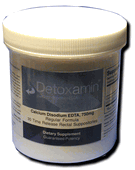
Detoxamin EDTA Chelation Therapy Suppositories are a new patented method of Ca-EDTA chelation therapy medically equivalent to I.V. chelation therapy.

Detoxamin EDTA Chelation Therapy Suppositories are a new patented method of Ca-EDTA chelation therapy medically equivalent to I.V. chelation therapy.

The difference is that Detoxamin introduces a smaller dosage of Calcium Disodium EDTA on a nightly basis.

By applying the highly efficacious Detoxamin suppository containing EDTA, you remove toxic metal from cells all over the body.

The self-administration is performed rectally before retiring so that as you sleep you are taking chelation therapy with EDTA. There's no need for intravenous infusions or quantities of nutritional supplements.

What is EDTA chelation therapy and what is it used for?Chelation (pronounced key-lay-shun) is the process by which a metal or mineral (such as lead, mercury, iron, arsenic, aluminum, etc.) is bonded to another substance-in this case an amino acid called EDTA, Ethylene-Diamine-Tetra-Acetic acid. It is a natural process, basic to life itself. During EDTA chelation therapy, the EDTA infusion bonds with unwanted metals in the body and quickly carries them away in the urine.

Chelation therapy is a safe, effective alternative to drugs and surgeries and is used to treat many illnesses now known to be linked to the presence of toxic heavy metals. Illnesses such as heart disease, strokes, diabetes, circulatory disorders, neuropathies, Alzheimer's disease, atherosclerosis, and adverse reactions to many environmental pollutants. Traditional chelation therapy uses an intravenous drip, and is administered in the outpatient setting.

The number of treatments vary based on each person's individual condition and/or goals of treatment. The average therapy is given one to three times a week for twenty to thirty treatments.How long has EDTA chelation therapy been in use? Why don't more people use it?EDTA chelation therapy for the detoxification for heavy metals has been in continuous use since the 1940s when it was introduced specifically for the treatment of lead poisoning. It was very quickly observed that as the metals were eliminated, not only did the signs and symptoms of lead poisoning abate, but problems related to the circulatory system like heart attacks, angina, strokes, and peripheral vascular disease also improved.

For the past 50 years, well over one million people have received the intravenous form of EDTA chelation. As beneficial and life saving as this therapy has become, it is very expensive and very time-consuming, making it out of reach for most people.Why is Ca-EDTA, Calcium Disodium EDTA, so much better than other types of chelation therapy?According to Dr. Bruce Halstead, "The chemistry of all chelators is such that a change of pH can dramatically effect the process of chemical binding needed to chelate a mineral or metal. When you use a less effective chelator, such as Magnesium EDTA, you lose all chelating ability of the two most essential heavy metals: lead and mercury. Magnesium di-Potassium EDTA has a dramatically lower chelating effectiveness than Calcium EDTA because both magnesium and potassium dramatically decrease the pH in the blood environment to which it is introduced. Any factor decreasing pH renders EDTA less effective.

Once the pH is lowered more than 7.38, it's no longer chemically conducive to any bonding or chelating." (Dr. Halstead is well known as the 'Father of Chelation Therapy'.)

Dr. Morton Walker Speaks on Detoxamin - Toxic Metals Induce Degenerative Diseases; Rectal Chelation Therapy Overcomes Them.

Environmentalists warn us repeatedly that we live on a poisoned planet. Toxins from mercury, lead, aluminum, cadmium, iron, nickel, and about 20 more metallic minerals permeate the Earth's milieu. Heavy and light metals poison us by combining to create deleterious signs and symptoms often referred to collectively as Toxic Metal Syndrome.

This syndrome, an indicator of serious systemic pathology, results in degenerative diseases which affect no less than 92% of the populations of Western industrialized nations, in particular, those people living in apartment high-rises and other polluted city dwellings. What happens to them? These poisoned people eventually come down with manifestations of degenerative illnesses such as heart and/or blood vessel deteriorations; pancreatitis; gout, rheumatoid arthritis or osteoarthritis; the syndromes of yeast, chronic fatigue, and/or irritable bowel; Alzheimer's disease, multiple sclerosis, parkinsonism, and many more which may be deadly-cancer for instance.

Although a poisoned person's bones remain toxic for life, excellent self-treatment exists to reduce or reverse most symptoms of illness in other body parts. First, get tested for the extent of toxicity, then neutralize metallic poisoning with a chelating agent such as Detoxamin. By applying the highly efficacious Detoxamin suppository containing EDTA, you remove toxic metal from cells all over the body. The self-administration is performed rectally before retiring so that as you sleep you are taking chelation therapy with EDTA. There's no need for intravenous infusions or quantities of nutritional supplements.Rectal chelation therapy does the job of detoxifying in a low-cost, convenient manner; it's an effective way to effuse EDTA through the bowel's walls and into your blood stream to clean toxic metals from all body cells.

Do I need Ca-EDTA chelation therapy?
We find ourselves existing in a far more toxic and hostile environment than our bodies were designed to handle. Experts have shown that almost every health problem-from learning disorders to cancer and heart disease-is aggravated by the approximate 1,000% increase in lead levels in our bones. In 1999, it was reliably reported that hearts with some form of disease have 20,000 times more toxic heavy metals than healthy hearts."Human exposure to heavy metals has risen dramatically in the last 50 years as a result of an exponential increase in the use of heavy metals in industrial processes and products." says Maile Pouls, Ph.D (Townsend Letter for Doctors and Patients, July 1999).A recently concluded "Body Burden" study by New York's Mt. Sinai Hospital and the Environmental Working Group was reviewed by University of Oregon Professor Joseph Thornton: "It shows the universality of chemical contamination of people's bodies," Thornton said.

All the studies "confirm the general message that everybody in our society has these chemicals building up. Some people have it worse than others, but everyone has it. No one is clean anymore." (From Being Careful Can't Keep Chemicals Out of Your Body, Miami Herald, February 1, 2003.)Today we know that about one out of every 2.5 Americans will get cancer. Ninety eight percent of cancer is caused by toxic chemicals. When 50% of all men and 33% of all women living now will die of cancer, something is terribly wrong. (Mortality from cancer was reduced by 90% during an 18-year study of 59 patients treated with Calcium-EDTA. This and over 40 other studies prove the efficacy of Ca-EDTA, Calcium Disodium EDTA chelation therapy and Detoxamin. We will all function better and live longer if we lower the overall burden of toxic metals within ourselves. If you eat or breathe, you will probably benefit greatly from chelation therapy.

Is Detoxamin safe for children?
Yes. In fact, Detoxamin case studies were conducted on lead poisoning in children. The study showed no significant increase in BUN or creatinine levels even in very young children. Due to our lower dosage and time release formulation, no renal toxicity was encountered.BEHAVIORAL, STRUCTURAL, FUNCTIONAL ABNORMALITIES ASSOCIATED WITH VARIOUS HEAVY METAL TOXINS.Reference: Published in the August issue of Alternative & Complimentary Therapies (a magazine for doctors) and Published in Townsend Letter for Doctor's and PatientsPsychiatric Disturbances:
Social Deficits, Social withdrawal

Mercury
Repetitive, perseverative, stereotyped behaviors; OCD-typical behaviors
Mercury
Depression, mood swings, flat affect; impaired facial recognition

Arsenic, Copper, Lead, Mercury
Schizoid tendencies; hallucinations; delirium
Mercury
Irritability, aggressive behaviors, temper tantrums
Lead, MercurySuicidal Behaviors
Copper, MercurySleep difficulties / disturbancesLead, Mercury, Thallium
Chronic fatigue (CFS); weakness, malaise
Aluminum, Arsenic, Cadmium, Copper, Lead, Mercury, Thallium
Anorexia; symptoms reflecting eating disorders, loss of appetite/weight
Arsenic, Lead, Mercury
Anxiety; nervous tendencies

Thallium
Attentional problems (ADHD), lacks eye contact, impaired visual fixation
Lead, Mercury

Speech and Language Deficits: Speech disorders
A luminum, MercuryLoss of speech, developmental problems with language Mercury
Speech comprehension deficits

Mercury
Dysarthria; articulation problems; slurred speech, unintelligible speech
Mercury
Cognitive Impairments:Mental retardation, borderline intelligence

Arsenic, Lead, Mercury
Uneven performance on IQ scores, low IQ scores
Copper, LeadPoor concentration, attention deficits (ADHD, response inhibition

Aluminum, Lead
Poor memory (short term, verbal, and auditory)
Aluminum, Lead

Difficulties understanding abstract ideas; difficulty carrying out complex commands

X metals
Dementia; pre-senile and senile dementia
Aluminum
Stupor

Aluminum, Arsenic

Impaired reaction time; lower performance on timed tests

Lead
Sensory Abnormalities:
Abnormal Sensations in the mouth and extremities
Arsenic
Hearing loss, difficulty hearing
Arsenic, Lead, MercuryAbnormal touch sensations; diminished touch sensations, aversion to touch
Arsenic
Blurred vision; sensitivity to light
Arsenic, Mercury
Motor Disorders:
Choreiform movements, myoclonal jerks, unusualpostures

Copper, Mercury
Difficulty walking, swallowing, talking
Copper, Mercury

Flapping, circling, rocking, toe walking
Mercury
Problems with intentional movements or imitation
MercuryAbnormal, gait/posture; incoordination, loss of balance; problems sitting, lying, crawling and walking
Mercury

Decreased locomotor activity
Aluminum, Arsenic
Convulsion; seizure
Aluminum, Arsenic, Copper, Lead, Mercury, Thallium

Physiological Impairment, Brain and Central Nervous System:
Neurofibrillary tangles
Aluminum
Neuritis, retrobulbar neuritis; neuropathy
Aluminum, Arsenic, Lead, Thallium
EncephalopathyAluminum, Arsenic, Lead, Thallium
Cerebrovascular diseaseX metals

Alterations in nerve conduction velocity
Lead
Alterations in the spinal cordThalliumAccumulates in CNS structures
Aluminum, MercuryAbnormal EEGs

Arsenic, Lead
Autonomic disturbancesCopper, Lead, Mercury, Thallium

Peripheral Nervous System:Peripheral neuropathyArsenic, Mercury

Alterations in peripheral nerves
Arsenic
Loss of feeling/ numbness in the extremities; paresthesia

Arsenic, Mercury, Thallium

Gastrointestinal Tract:
Nausea, vomiting, diarrhea; loss of appetite

Arsenic, Mercury

Abdominal pain, stomach cramps; burning of the throat of the mouth

Arsenic, Copper, Lead, Mercury, Thallium

Esophagitis; gastroenteritis; colitis

Arsenic, Mercury, Thallium Cancers (colon, pancreatic, stomach, or rectal) Arsenic

Renal and Hepatic Impairment:Hepatotoxicity; Liver dysfunction, damageArsenic, Copper, Thallium

Cirrhosis of the liver; hepatitis

Copper

Kidney disease; kidney failureArsenic, Lead, MercuryRenal toxicity; tubular proteinosisArsenic, Copper, LeadKidney Damage, histological alterations

Arsenic, Lead
Cardiovascular System:Blood vessel damage

ArsenicAnemia; decreased red blood cell count

Arsenic, CopperHypertension; increased heart rate (tachycardia)

Arsenic, Copper, Lead, Thallium

Electrocardiac disorders, Peripheral vascular disease; cardiovascular disease, vascular collapse

Arsenic, Lead
Respiratory System:Pulmonary Fibrosis

Aluminum, Arsenic
Pulmonary edema

X metals
Pneumonia, laryngitis, pharyngitis, bronchitis

Aluminum, Arsenic, Mercury
Restrictive airway disorders, asthmatic conditions, pneumoconiosisArsenic, Aluminum

Nasal ulcers, perforation of the nasal septumX metalsImmune System:Increased incidences of asthma, autoimmune-like symptoms, & allergies
X metals

Inhibition of lymphocytes, T-cells, monocytes X metals
Immunosuppression

LeadDecreased white blood cell count
Arsenic, ThalliumReproductive System:Genital abnormalitiesAluminum, ThalliumDisturbances in menstrual cycle; menstrual painsCopper, MercuryBirth defects; premature births; Spontaneous abortionArsenic, Lead, MercuryReproductive dysfunctionArsenic, AluminumOther Physical Disturbances:Hypotonia or hypertonia; decreased muscular strengthX metalRashes, contact dermatitis; eczema, itchy/irritating skinAluminum, Arsenic, Copper, MercuryMuscle pain; headache; acrodynia; colicArsenic, Copper, Lead, ThalliumAlopecia (hair loss)Thallium Reference: Published in the August issue of Alternative & Complimentary Therapies (a magazine for doctors) and Published in Townsend Letter for Doctor's and Patients.

Detoxamin Usage Instructions: Detoxamin EDTA Suppositories are solid, bullet-shaped preparations designed for easy insertion into the anus (back passage). Detoxamin is manufactured in a cocoa-butter base, a time-release agent (fatty acid base), and 750 mg of Calcium-Disodium EDTA. Detoxamin will dissolve at body temperature and will gradually spread over the lining of the lower bowel (rectum), where it is absorbed into the bloodstream. Detoxamin is designed to release 750 mg Calcium Disodium EDTA slowly, over an 80-minute period.

A. Detoxamin Protocol for More Severe Cases:
1. Take one suppository at night, prior to bedtime.
2. Take every night for up to 90 days. This will provide the medical equivalence of 30 IV Chelation treatments.
3. Take proper mineral/trace mineral/vitamin replacement every day.
4. Take all other suplementaion every day.B. Detoxamin Protocol for Less Severe Cases/Anti-Aging/Prevention:
1. Take Detoxamin every OTHER night, prior to bedtime.
2. Take Detoxamin every other night for 180 days (90 suppositories). This will provide the medical equivalence of 30 IV chelation treatments.
3. Take proper mineral/trace mineral/vitamin replacement every day.
4. Take all other supplementation every day.

Detoxamin Protocol AFTER A or B is completed:
Your bones are toxic for life. Lead and other heavy metals are stored in the bones and get re-distributed into the bloodstream. Therefore, it is highly recommended to continue maintenance with Detoxamin, this provides the ultimate in Anti-aging benefits.

1. Take 5 Detoxamin suppositories over a 30-day period. This porvides medically equal to about 2 EDTA IV treatments.
2. Take porper mineral/trace mineral/vitamin replacement every day.

Note: Detoxamin is designed to be taken at night, however some patients and physicians prefer taking a suppository in the morning after evacuation. (Optional)

How to Use Detoxamin:
Insert Detoxamin suppositories at night, prior to bedtime.
Eat early in the evening, about 4 hours prior to bedtime. (Reduces any discomfort).
1. Go to the toilet and empty your bowels if necessary.
2. Wash your hands.
3. Remove the plastic wrapping from Detoxamin.
4. Either squat or lie on your side with one leg bent and the other staight.
5. Gently but firmly push the suppository into the rectum, FLAT end first until past the sphincter muscle. By inserting the flat end first opposed to the pointed end, the suppository will travel higher up in the rectum more easily. If necessarey moisten the suppository with a little water. Push it in far enough so it doesn't slip out.
6. Close your legs and sit or lay still for a few minutes.
7. Wash your hands again.
8. Try not to empty your bowels for at least 80 minutes.
9. It is optional to take Detoxamin in the morning, after evacuation.

STORAGE: Store Detoxamin in a cool dark place, but not in the fridge. If Detoxamin suppository gets warm it may melt, put the fridge for a few minutes, this will return the suppository to its original state so it may be inserted.
Shelf Life: 2 Years
More information’s: here Chelation

Wednesday, September 13, 2006

Brown Seaweed May Be a Fat Fighter

(HealthDay News) -- That tasty miso soup you had for lunch may be more than delicious -- it could help you burn away excess fat.

That's the conclusion of preliminary research presented Monday at the American Chemical Society's annual meeting, in San Francisco.

Researchers led by Kazuo Miyashita, a chemistry professor at the Hokkaido University Graduate School of Fisheries Sciences in Japan, investigated the effects of brown seaweed, Undaria pinnatifida -- a type of kelp called wakame that is widely consumed in Japan.

They found that fucoxanthin, the brown pigment in the seaweed, promoted a 5 percent to 10 percent weight loss in mice and rats by shrinking abdominal fat. The compound appeared to stimulate a protein that causes fat oxidation and conversion of energy to heat. This protein is found in white adipose tissue -- belly fat -- and that means fucoxanthin might be particularly effective at shrinking oversized guts, the researchers hypothesized.

Fucoxanthin also stimulated the animals' livers to produce DHA, a beneficial omega-3 fatty acid that reduces low-density lipoprotein (LDL), the bad cholesterol that contributes to atherosclerosis.

"The exciting finding is that fucoxanthin may increase metabolism and weight control," said Connie Diekman, director of University Nutrition at Washington University in St. Louis. "But the downside is that this is an animal study, and we can't automatically translate from animals to humans."

Fucoxanthin belongs in the phytochemical food category, and these foods have a lot of benefits, Diekman added. But she cautioned that, "we need to look at these studies for their interest but [also] recognize that the bottom line is, there is no magic when it comes to weight control."

Lona Sandon, an assistant professor of clinical nutrition at the University of Texas Southwestern Medical Center at Dallas, agreed. "Fucoxanthin potentially could help control weight, and help produce more heart-healthy DHA. But these are very preliminary studies done at the molecular level on rats, not on humans," she said. "So, although it looks promising, we've got a long way to go before we know that eating seaweed will keep our waistlines thin."

Consumers should understand that clinicians and researchers have a "whole lot to learn about weight control in humans and this is one study in a long investigation," Diekman cautioned.

"Don't give up on what we know will work -- correct food choices, right portions and regular physical activity. It's hard, but magic isn't going to help you be healthier. A healthier lifestyle is the key."

Still, the Japanese researchers hope that further study could eventually lead to a pill containing fucoxanthin that might be consumed daily or as needed. That pill will be a long time in the making, however. Even though human studies are planned, it will likely be at least five years before a fucoxanthin-based anti-obesity pill would be available to consumers. Until then, people should continue to eat a well-balanced diet and get plenty of exercise, Miyashita said in a prepared statement.

Seaweed isn't the only food promising medicinal powers. According to research presented at the same meeting by scientists at Kyoto Prefectural University of Medicine in Japan, mandarin oranges may reduce the risk of liver cancer in patients with chronic viral hepatitis. After one year, no liver cancer was detected in 30 patients who drank one cup daily of a beverage containing mandarin orange juice. On the other hand, 8.9 percent of 45 patients who didn't drink the beverage developed liver cancer.

In other research presented at the meeting, a team at the National Institute of Fruit Tree Science in Japan surveyed 1,073 Japanese people who consumed large amounts of mandarin oranges. They report that chemical markers in the subjects' blood were associated with a lower risk for liver disease, atherosclerosis, and insulin resistance, which can lead to diabetes.

And there's more good food news -- wheat, corn, and rice flour can be modified into an enhanced product that makes the flour's antioxidants more available to the body, according to University of Maryland researchers.

Those same researchers also say they've developed a new type of flour from fruit seeds -- normally waste products from the processing of juice and fruit products. In laboratory studies, the fruit-seed flour appears to have the ability to fight inflammation, cancer and food-borne bacteria, the scientists said.

Finally, researchers at Nihon University in Japan reported that they've made the calcium in soybeans more easily absorbed, by removing an absorption-hindering chemical called phytate. They also modified two amino acids in soybeans so that they form a whiter, smoother product and retain the original taste.

More information
To learn more about weight control, visit the National Institute of Diabetes and Digestive and Kidney

Tuesday, June 20, 2006

Causes of Constipation

What causes constipation?
To understand constipation, it helps to know how the colon (large intestine) works. As food moves through the colon, it absorbs water while forming waste products, or stool. Muscle contractions in the colon push the stool toward the rectum. By the time stool reaches the rectum, it is solid because most of the water has been absorbed.
The hard and dry stools of constipation occur when the colon absorbs too much water or if the colon's muscle contractions are slow or sluggish, causing the stool to move through the colon too slowly.

The Common Causes of Constipation
Common causes of constipation are
  • not enough fiber in the diet
  • not enough liquids
  • lack of exercise
  • medications
  • irritable bowel syndrome
  • changes in life or routine such as pregnancy, older age, and travel
  • abuse of laxatives
  • ignoring the urge to have a bowel movement
  • stroke (by far the most common)
  • problems with the colon and rectum
  • problems with intestinal function (chronic idiopathic constipation)

Causes of Constipation: Not Enough Fiber in the Diet
The most common cause of constipation is a diet low in fiber found in vegetables, fruits, and whole grains and high in fats found in cheese, eggs, and meats. People who eat plenty of high-fiber foods are less likely to become constipated.
Fiber--both soluble and insoluble--is the part of fruits, vegetables, and grains that the body cannot digest. Soluble fiber dissolves easily in water and takes on a soft, gel-like texture in the intestines. Insoluble fiber passes through the intestines almost unchanged. The bulk and soft texture of fiber help prevent hard, dry stools that are difficult to pass.

According to the National Center for Health Statistics, Americans eat an average of 5 to 14 grams of fiber daily,* short of the 20 to 35 grams recommended by the American Dietetic Association. Both children and adults eat too many refined and processed foods from which the natural fiber has been removed.

A low-fiber diet also plays a key role in constipation among older adults, who may lose interest in eating and choose convenience foods low in fiber. In addition, difficulties with chewing or swallowing may force older people to eat soft foods that are processed and low in fiber.

*National Center for Health Statistics. Dietary Intake of Macronutrients, Micronutrients, and Other Dietary Constituents: United States, 1988-94. Vital and Health Statistics, Series 11, number 245. July 2002.

Causes of Constipation: Not Enough Liquids
Liquids like water and juice add fluid to the colon and bulk to stools, making bowel movements softer and easier to pass. People who have problems with constipation should drink enough of these liquids every day, about eight 8-ounce glasses. Liquids that contain caffeine, like coffee and cola drinks, and alcohol have a dehydrating effect.

Causes of Constipation: Lack of Exercise
Lack of exercise can lead to constipation, although doctors do not know precisely why. For example, constipation often occurs after an accident or during an illness when one must stay in bed and cannot exercise.

Causes of Constipation: Medications
Some medications can cause constipation. They include

  • pain medications (especially narcotics)
  • antacids that contain aluminum and calcium
  • blood pressure medications (calcium channel blockers)
  • antiparkinson drugs
  • antispasmodics
  • antidepressants
  • iron supplements
  • diuretics
  • anticonvulsants

Article provided by the National Digestive Diseases Information Clearinghouse

Tuesday, June 13, 2006

Is it true grapefruit juice and prescription medications don't mix?

Amazingly, grapefruit juice can interfere with some prescription medications. Grapefruit and its juice contains a phytochemical that inhibits the enzyme needed to break down antihistamines, calcium-channel blockers, immunosuppressants, sedatives and protease inhibitors (treatments for Aids), among others. As a result, blood levels of those drugs stay higher than expected, with potentially serious side effects. If you drink grapefruit juice regularly and are prescribed medication, mention it to your health care provider.

Yahoo - Nutrition & Fitness

Wednesday, June 07, 2006

Dieting and Hair Loss

Dieting and Hair Loss
Provided by: DrDonnica.com

Q: I've been on a diet for about six months, and the good news is I've lost 15 pounds. But the bad news is I'm also losing my hair! It used to be shiny and strong, but now my hair is dull and comes out in clumps whenever I brush it. I haven't changed anything else in my life except my eating habits. Could I be missing some nutrient that's making me go bald, and can I ever get my hair back?

A: Congratulations on your weight loss! If you were significantly overweight, losing this amount will significantly improve your overall health and reduce your risk for cardiovascular disease, the number one killer of women and men in our country. Losing this much weight can also create a change in your hormonal levels, which could be contributing to your hair loss, but it could also be a coincidence. Vitamin and nutritional balance may also be a factor.

I recommend that all women-especially those who are dieting-take a daily multivitamin. Most women also need calcium supplements. There are now also vitamins specifically designed for women who are dieting (such as One A Day Weight Smart TM ).

There are even supplements specifically designed for healthy hair (such as Nature's Bounty Vitamins for Hair TM ). You should start taking vitamins as soon as possible, but you should also consult a dermatologist to see if there are other issues affecting your scalp and hair loss.

Weight Loss Plan Kit

Weight Loss Plan Kit

$172.80
[ learn more ]

Add to Cart

Includes: Oxy-Powder, Slimirex (180 Count), Weight Loss Secrets Revealed, Ten Super Secrets for Weight Loss

Saturday, April 01, 2006

Can chelation destroy the AIDS virus?

Archives of Virology 73, 171-183 (1982)
Disintegration of Retroviruses by Chelating Agents

By V. Wunderlich and G. SydowCentral Institute for Cancer Research, Robert-Rossle-Institute,Academy of Sciences of the German Democratic, Berlin

German Democratic RepublicWith 2 figures Accepted April 2, 1982
Summary

Exposure in vitro of various mammalian retroviruses to the chelating agents EDTA or EGTA in millimolar concentrations resulted in partial disintegration of viral membranes as measured by accessibility or even release of reverse transcriptase, an internal viral protein, without any other treatment usually required.

AMong the viruses responding to chelators were mammalian type C viruses, primate type D viruses and Bovine leukemia virus. The effect was dose-dependant. The avain type C virus AMV, howeveer, was found to be not susceptible to the agents. Rauscher mouse leukemia virus treated in vitro with EDTA or EGTA showed reducedinfectivity in mice.

The results are considered as evidence for some association of divalent cations with membranes of mammalian retroviruses. The disintegrating activity of EGTA suggests that Ca2+ is an integral constituent of viruses but Mg2+ may also be involved.

These cations seem to be responsible for maintaining the integrity of retroviral membranes which, after chelation of ions, are either disrupted or become permeable for the exogenous template of reverse transcriptase. In addition, the disintegrating activity of trifluoperazine may indicate that a calmodulin-like protein occurs in retroviral membranes.

Introduction
Retroviruses contain a single stranded RNA genome and the enzyme reverse transcriptase (RT), both of which are located with the virion core. Viral particles are released by budding from the surface of infected cells and the cores are thought to acquire in this process an outer unit membrane of host cell origin.

However, little is known about the composition, architecture and topography of the viral membrane witht he possible exception of spikes and knobs protruding from the exterior of the envelope. The porphological elements are composed of predominantly glycosylated proteins encoded in the viral genome and determine many of the biological properties of the virus. (see 23 for a review). Therefore, previous investigations on the retroviral envelope have mainly been focused on those components.

The demonstration of RT activity requires the disruption of virus particles as usually performed with the aid of detergents. Our observation that the preparation of type D retroviruses in buffers containing the chelating agent ethylene-diaminetetraacetic acid (EDTA) results in considerable accessibility or even release of RT activity without the use of any detergent (32) led us to investigate more systematically the action of chelating agents on different types of retroviruses.

The results presented in this study demonstrate that susceptibility to such agents is a characteristic property of various retroviruses. Thus, the structure of retroviral membranes obviously stabilized by divalent cations may be more complex than hitherto known. Appreciation of this complexity may allow a better understanding of certain aspects of virus-cell interaction and may facilitate the future design of antiretroviral compounds.

Materials and Methods
Chemicals
EDTA (Chelaplex III, p.a.) was purchased from VEB Berlin-Chemie, Berlin-Adlershof, GDR. EGTA [ethylene glycol bis 92-aminoethyl ether)-N,N,N',N'-tetraacetic acid, Dr. Th. Schuchardt GmbH., Munchen, FRG) was kindly provided by Dr. H. Will, Berlin. Propranol was obtained from Isis-Chemie KG< la=" 1-"> Chelation and EGTA obviously disassociated some membrane components as indicated by the appearance of RT activity in otherwise undestructed virus samples.

This effect however, was sometimes hard to reproduce possible owing to some irreversible chelator induced activation of RT, a zinc metallozyme not reactivable by Mg++ or Mn++ (25), even although either ion was additionally added to the RT reaction mixture in amounts equimolar to the chelator. (Tables not included here but an be faxed to you if you are interested in seeing them.)

Efficacy of EDTA and EGTA in Disintegrating Various Retroviruses To circumvent the problems just described, most experiments were performed in a fashion allowing a more favorable ratio of chelator to virus during exposure as well as the subsequent elimination of major amounts of chelating agents before assaying for RT activity, i.e., sedimentation of viruses through a solution containing the agent under study. Results are expressed as lytic activity LA as defined in Materials and Methods.

This index reflects the ability of a given agent to bring about a partial or complete disintegration of virus particles. Partially disintegrated particles, although to a variable extent damaged by exposure to chelator, remain sedimentable but exhibit RT activity as seein in aliquots (c) treated with agent but not with detergent.

On the other hand, the proportion of virus particles completely disassembled during exposure may be obtained by the difference of RT activities appearing in aliquots (b) and (d) treated without or with agent followed by disruption of the remaining virus with detergent.

To give an example with RLV exposed in aliquots (c) and (d) to 1 mmol/l ETA: the four viral aliquots displayed RT activities of (a) 1.1, (b) 38.0, (c) 10.4, (d) 32.7 dis/min (each x 10 to the third), respectively, yielding an LA value of 40. It appeared, however, not meaningful to discriminate between partial and complete disintegration and the LA value included by definition both events was therefore used. Fig. 1 (not shown) depicts the action of EDTA and EGTA on various retroviruses. These include mammalian type C viruses (RLV, SSV), primate type D viruses (MPMV, SMRV, PMFV) and BLV. Both chelating agents exert in millimolar concentrations a pronounced lytic activity upon most of the viruses tested so far.

Mammalian type C viruses seem to be somewhat less susceptible than the other viruses. The avian type C virus AMV, however, was exceptional in that it did respond to neither EDTA or EGTA. The reason for that was not investigated but may be related to some peculiarities of the envelopes of the avian type C viruses as compared to their mammalian counterparts (23). Since RLV just as AMV was obtained from the plasma of leukemic animals and there was no difference in the susceptibility of RLV irrespective of originating from infected animals or tissue cultures, it appears to be unlikely that unresponsiveness of AMV is due to certain conditions of extracellular viral maturation.

Concentration Dependence of Disintegrating Activity of EDTA and EGTA In initial experiments it was noted that retroviruses respond to chelating agents in a dose dependant manner. Fig. 2 (not shown) illustrates that PMFV, studied in greater detail, is susceptible to chelators over a wide range of concentrations. Complete disintegration, however, was reached with neither EDTA nor EGTA even in high concentrations up to 50 mmol/l.

This may indicate that only a certain fraction of particles present in a given virus population is sensitive to these agent possible owing to variations in age, stage of maturity, or other factors. Such variables are known to influence the response of retroviruses to detergents (43). Which Ion Is Involved in Disintegration A major question arising from the experiments described so far is the nature of the cation complexed by the chelating agents and probably somehow responsible for the integrity of viral particles. Effectiveness of EGTA with its high binding affinity for Ca++ (stability constant log K=10.9) and relatively low affinity for Mg++ (log K=5.9) (3) clearly supports a role of calcium in virus integrity.

However, the ability of EGTA to produce disintegration even in low concentrations may suggest that magnesium is also involved in maintaining the integrity of retroviruses, since the EDTA has binding affinities to both Ca++ (log K = 10.7) and Mg++ (log K = 8.9). The low amount of virus available for analysis did not yet allow an identification of the respective cation(s) by means of chemical or physicochemical methods. The possibility that EDTA and EGTA chelate different cations in retroviral membranes led us to examine a possible synergistic action of both agents on retroviruses.

Thus far, however, no increase in LA values has been observed after exposure of viruses to equimolar mixtures of both chelators. To further substantiate the involvement of one of the ions under consideration, experiments were performed to ascertain whether the addition of divalent cations could prevent the action of EDTA or EGTA (not shown). As already reported for PMFV (32) and now confirmed with other viruses, both MgCl2 and CaCl2 prevented disintegration of retroviruses when simultaneously added with the chelating agent.

However, addition of these cations at a later time did not cancel the effect produced by EDTA or EGTA. These results corroborate the assumption that both Ca++ and Mg++ ions are associated with retroviruses. Moreover, they exclude the possibility of involvement of such heavy metal ions binding more strongly to EGTA than Ca++, because in that case addition of CaCL2 or MgCl2 would not have prevented disintegration.

Effect of EDTA and EGTA on Infectivity of RLV That chelating agents indeed adversely affect retroviral membranes was independently demonstrated in another set of experiments. RLV, contained in cell-free spleen homogenates, was incubated in vitro with EDTA or EGTA and then injected into mice for analysis of leukemogenic capacity.

As compared to saline incubated virus in the controls, this treatment led to a marked inhibition of splenomegaly as well as to a doubling of mean survival time of infected animals (Table 2 not shown). Therefore, disintegration of virus particles as biochemically measured is paralleled by an equivalent loss of infectivity. The remaining virus, however, was still able to cause leukemia being diagnosed (courtesy of Prof. F. Fey) at the time of death of animals. Nevertheless, antiviral activity of chelating agents was also reflected in the pronounced depression of particle bound RT activity in the plasma of mice inoculated with treated virus.

During the course of development of leukemias, there was a considerable delay in reaching comparable levels of RT activity in blood of treated as against control mice. Susceptibility of BLV to Different Beta Blockers The hypothesis that Ca++ may be associated with retroviruses was further tested in animals with beta receptor blocking drugs.

Propranolol, a nonselective beta blocker used in medical practice, has been shown to be able to interact with membranes under concomitant Ca++ displacemant (2). It also disrupts membranes of type C and type D retroviruses (41). Contrary to propranolol, some of its congeners cardioselective beta blockers like practolol, sotalol and atenolol lacking the hydrophobicity of propranolol, do not essentially influence membrane phospholipids and membrane boud Ca++ (2,17,24).

For that reason it appeared of interest to examine the susceptibility of a retroviruses to these drugs. BLV was chosen because it was not included in our earlier studies. Table 3 (not shown) shows that exposure to propranolol in vitro clearly disintegrates BLV, as previously demonstrated with other retroviruses. Exposure to one of the propranolol congeners however produces only a small, if any, disintegration of BLV.

These results may thus provide additional evidence for calcium as the ion to take into consideration. Lytic Action of Trifluoperazine on Retroviruses The effect of trifluoperazine (TFP) on retroviruses ws investigated because

(i) other phenothiazines have been found to exert a lytic effect on retroviruses in vitro (41),

(ii) drugs of this type are known to produce, along with a variety of other effects on biological membranes, a displacement of Ca++ from membrane components (29) and

(iii) TFP is able to bind in a Ca++ dependant manner (18,19) highly effectively to calmodulin, a widespread regulatory protein (16), and is therefore widely considered as a specific probe for calmodulin. In view of these properties disintegrating activity of TFP on retroviruses could serve as an indicator both for the presence of Ca++ and for the identification of a putative Ca++ binding molecule in retroviral membranes. In fact, following exposure to TFP retroviruses of type C or type D as well as BLV displayed a release of RTactivity (table 4) [not shown].

The effect was again dose dependant. To favor a Ca++ specific binding of TFP to viral components, exposure was performed at pH 7.2 and not at pH 8.3 as usually, because pH values above 7.5 diminish the specificity of binding (36) .

Despite some variations with different viruses, TFP showed a similar disintegrating activity as various phenothiazines (41). Although AMV failed to respond to EDTA and EGTA, this virus was found to be susceptible to TFP, similarly as to other phenothiazines (41), too. From the results of this set of experiments it is tempting to conclude that retroviral membranes donot only contain Ca++ but possible also a Ca++ binding protein (7) which may be calmodulin like in sharing with this protein the property of responding to TFP.

Discussion In the present work designed to evaluate the action of the action of chelation agents on retroviruses in vitro we have mainly used a procedure sonsisting of centrifugation of intact virus particles through a solution of each respective agent and subsequent assay for RT to detect disintegration of the viral membrane.

The results show that these agents are capable of disintegrating all of the mammalian retroviruses tested. This finding was supported by experiments showing decreased infectivity of RLV after the virus had been treated with chelating agents. Principally, disintegration of retroviruses in vitro may occur either spontaneously or by treatment with membrane active agents. Spontaneous disintegration thought to be due simply to aging of particles is variable but usually low.

On the other hand, a variety of agents including detergents (21) , lipid solvents (21), and neurotropic drugs (41) as well as proteins such as human (37) or nonhuman primate complement (30) and melittin (12) cause a complete or nearly complete lysis of retroviruses. Complement mediated virolysis affects the P15(E) protein known to be embedded directly into the retroviral membrane (1).

Other interesting agents are the polyene antibiotics and membrane channel formers filipin (22) and nystatin (12) which induce some alterations in but nor disintegration of the membranes of retroviruses while retaining their infectivity.

This study revealed still another type of response with some dissociaton of membrane components that affects the infectivity of virus but does not necessarily result in complete destruction of viral particles because a variable proportion of them remains sedimentable even after treatment with chelators. Thus, retroviruses may exhibit a broad range of response to exogenous factors. However, among such factors, chelators like EGTA are rather exceptional in that they do not represent true membrane active agents, although several observations point to a role of Ca++ in membrane stability. (6).

There is increasing evidence for some association of Ca++ with viruses and a role of this ion in maintaining viral structure. The observation of calcium binding sites is nearly 20 plant viruses including tobacco mosaic virus, and also bioenergetic considerations, led DURHAM (10,11) to propose that Ca++ might generally control disassembly of such viruses. Other authors succeeded in disassociated of polyoma virus by chelation of Ca++ (4) and reassembly of infectious viral particles by subsequent addition of Ca++ (5). Exposure of rotavirus particles to calcium chelators resulted in an unmasking of internal RNA polymerase activity (9).

On the basis of these findings it is tempting to assume that association with Ca++ is a widespread property among viruses of different families. The viral components associated with Ca++ have not been identified. One possibility is that the attachment of Ca++ to phosphatidylserine (13) known to occur in the so far analyzed retroviral membranes (28). Distinctive features of model membranes have been attributed to interactions of Ca++ with membrane phospholipids and there is evidence that the viral membranes behave in this respect similarly as model membranes, e.g., in virus induced cell fusion processes (27). On the other hand, certain proteins could serve as receptors for Ca++ owing to their ability to bind Ca++ in a selective and reversible fashion.

The prototype of such Ca++ binding proteins is calmodulin, which, upon binding of Ca++, undergoes a confirmational change needed for its biological activity (16). In the presence of Ca++, calmodulin avidly binds phenothiazines (with TFP being the most effective one) and becomes thereafter biologically inactive (36). Propranolol is another antagonist of calmodulin (35).

Consequently the strong retrovirus disintegrating activity of TFP, other phenothiazines, and propranolol (41) may be considered as preliminary evidence for the occurrence of calmodulin like proteins in retroviral membranes, though it remains to be identified. During complex formation of Ca++ both with phospholipids (26) and proteins (39) there is some synergism with Mg++ and it is, therefore, well conceivable that both cations simultaneously occur in rteroviral membranes.

Whatever the mode of Ca++ binding to viral components is, and irrespective of whether Ca++ is accidentally or even specifically complexed to them, the occurance of Ca++ in retroviral membranes may have biological implication with regard to the assembly and disassemble of viral particles in and their budding from infected cells. Generally Ca++ has been found to influence a wide variety of functional properties of biological membranes.

Finally, identification of Ca++ binding viral components may eventually prove useful in the search for new and effective retroviral agents. The presently limited success of virus chemotherapy with chelating agents (20) might be generally augmented by considering such components as drug targets, too. Our recent demonstration that haloperidol, a colmodulin binding butyrophenone (19), exerts an antiviral effect on Raucher murine leukemia virus in vivo (42), may support the feasibility of this approach.

more information at: Chelation

more discussion: Forum
· Addiction Forum · Ask the Doctors Forum · Ayurveda Forum · Ayurvedic & Thai Herbs Forum · Colon Cleansing Forum · Dental Forum · Diabetes Forum · Diet Forum · General Cleansing Forum · Hepatitis A, B. C Forum · Integrated Medicine Forum · Live Blood Analysis Forum · Ozone-Oxygen-Forum · pH - Alkaline - Acidity Forum · Weight Loss Forum

Paratrex®

Paratrex®

$32.95
[ learn more ]

Add to Cart

Get Paratrex® and promote a natural cleansing of your system. Paratrex® helps create an environment hostile to invading organisms. Help flush your system clean!

Advanced Body Cleansing Kit

Advanced Body Cleansing Kit

$147.75
[ learn more ]

Add to Cart

Advanced Body Cleansing Kit with Livatrex™, Oxy-Powder®, Latero-Flora™ and two bottles of ParaTrex®.