ParaTrex 728x90 Animated 90% could you be one
Showing posts with label Hepatitis B. Show all posts

Sunday, March 16, 2008

What is a "Kidney Cleanse" ?

A Kidney cleanse is a procedure aimed at dissolving Kidney stones - stones formed inside kidneys.

Kidney cleanse can also be used for improving kidney health by flushing out toxins accumulated inside kidney tissues.

There are many different kinds of Kidney stones. Sometimes, it can take days to dissolve them, sometimes it can take months. Sometimes, water is enough, sometimes, you may need several different remedies.

Crystals form in urine from various salts that build up on the inner surfaces of the kidney. Eventually these crystals become large enough to form stones in the kidney (called nephrolithiasis).

Such salts may include calcium oxalate, uric acid, cystine, or xanthine. These salts can become extremely concentrated under certain circumstances: if the volume of urine is significantly reduced (chronic thirst and dehydration); or if abnormally high amounts of crystal-forming salts are present (infection). When concentration levels reach the point at which the salts no longer dissolve, they precipitate out and form crystals.

Stones may also form in the ureter or the bladder. The salts that form these stones are made up of combinations of minerals and other chemicals, some of which are derived from a person's diet.

more discussion: Forum· Addiction Forum · Ask the Doctors Forum · Ayurveda Forum · Ayurvedic & Thai Herbs Forum · Colon Cleansing Forum · Dental Forum · Diabetes Forum · Diet Forum · General Cleansing Forum · Hepatitis A, B. C Forum · Integrated Medicine Forum · Live Blood Analysis Forum · Ozone-Oxygen-Forum · pH - Alkaline - Acidity Forum · Weight Loss Forum

Friday, December 28, 2007

Health Tip: What's Causing Your Dizziness?

(HealthDay News) - Dizziness is not a disease, but a symptom of another condition. While it's usually not serious and is often temporary, it helps to know what's causing the problem.

The University of Michigan Health System lists these common causes of dizziness:
  • An infection or other condition affecting the inner ear.
  • Fatigue, stress or fever.
  • Low blood sugar.
  • Anemia.
  • Dehydration.
  • An injury to the head.
  • A heart or circulatory condition.
  • Stroke.
  • A side effect of certain medications.

more discussion: Forum
· Addiction Forum · Ask the Doctors Forum · Ayurveda Forum · Ayurvedic & Thai Herbs Forum · Colon Cleansing Forum · Dental Forum · Diabetes Forum · Diet Forum · General Cleansing Forum · Hepatitis A, B. C Forum · Integrated Medicine Forum · Live Blood Analysis Forum · Ozone-Oxygen-Forum · pH - Alkaline - Acidity Forum · Weight Loss Forum


Oxy-Powder® Complete Cleansing System

Oxy-Powder® Complete Cleansing System

$147.75
[ learn more ]

Add to Cart

Complete Cleansing System with Livatrex™, Oxy-Powder®, Latero-Flora™, and two bottles of ParaTrex®.

Tuesday, December 25, 2007

Beware Holiday Toys That Can Injure Young Eyes

(HealthDay News) -- While concern about lead in toys has attracted a great deal of attention lately, it's just one of the potential dangers that toys may pose to children. For example, some toys can damage children's eyes, warns the American Academy of Ophthalmology (AAO).

There were more than 210,000 toy-related injuries treated in U.S. emergency rooms in 2005, and about 6,000 of those involved injuries to the eyes of children under age 15, according to the federal Consumer Product Safety Commission.

"The holidays are supposed to be a time of happiness and celebration. A serious eye injury can bring an abrupt end to the celebration. Parents should choose a toy that is appropriate for their child's age, abilities, maturity, and the parent's willingness to supervise use of the toy," Dr. David Coats, clinical correspondent for the AAO and a pediatric ophthalmologist at Texas Children's Hospital in Houston, said in a prepared statement.

BB guns, darts, pellet guns and paintball guns are among the toys that pose a threat to the eyes.
"Any toy that can eject or propel an object can lead to a serious eye injury if used incorrectly.

This includes innocuous appearing toys such as a popgun or a paddleball set," Coats said.

He also said children who receive sports equipment as gifts should be given protective eyewear.

"If you plan to give sports equipment, provide appropriate protective gear, such as helmets, facemasks or goggles with polycarbonate lenses," Coats said.

More information
Safe Kids USA has more about toy-related injuries.

more discussion: Forum
· Addiction Forum · Ask the Doctors Forum · Ayurveda Forum · Ayurvedic & Thai Herbs Forum · Colon Cleansing Forum · Dental Forum · Diabetes Forum · Diet Forum · General Cleansing Forum · Hepatitis A, B. C Forum · Integrated Medicine Forum · Live Blood Analysis Forum · Ozone-Oxygen-Forum · pH - Alkaline - Acidity Forum · Weight Loss Forum

Friday, December 21, 2007

Sex Ed Does Delay Teen Sex: CDC

(HealthDay News) -- Sex education programs do work to help discourage many teens from becoming sexually active before age 15, according to data released Wednesday by the U.S. Centers for Disease Control and Prevention (CDC).

Formal programs -- such as those presented in schools and church groups -- did appear to delay onset of sexual activity. For example, teen girls in the nationally representative sample were 59 percent less likely to start having sex before age 15 if they had received sex education, while teen boys were 71 percent less likely, the study found.

"We were obviously hoping to find that sex education is effective. We're glad to see the strong associations," said lead author Trisha Mueller, a CDC epidemiologist. She emphasized that in order to be successful, sex education should take place before young people become sexually active.

Mueller's team also learned that teen boys who attended school were almost three times more likely to use contraception if they had attended a sex education program, compared to those who had not.

However, attendance at a sex education class did not seem to impact girls' use of birth control, the survey found.

The survey did not differentiate between programs that emphasized abstinence and those that educated about contraception. Instead, researchers focused only on whether the teens had ever attended any sex education program in a formal setting, such as school or church.

The study was expected to be published in the January issue of the Journal of Adolescent Health.

According to earlier, 2005 data available from the CDC, 47 percent of high school students said they had already had sex. Of those who were currently involved in a sexual relationship, one-third said they were not using a condom.

Curious about the effectiveness of sexual education on these behaviors, Mueller and colleagues examined data from more than 2,000 teen boys and girls between 15 and 19 years of age who participated in the door-to-door 2002 National Survey of Family Growth.

"Formal sex education is beneficial for youth who are considered to be at-risk," noted Mueller, who cited as an example the 88 percent reduced risk of initiation sex before age 15 among urban black females who had received any sex education. Urban black teen girls who were still in school at the time of the survey had a 91 percent reduced risk of initiation sex before age 15, the survey found.

The research also showed that boys living in single-parent households were more likely to delay sex past age 15 if they had attended a sex education class.

Mueller and her team were interested in teen sexual decision-making before and after the age of 15, because the federal governments' Healthy People 2010 initiative treats 15 as a dividing line. Healthy People 2010 sets a wide array of health goals for states and communities to achieve over the first decade of this century. One of its objectives: to reduce the number of teens under age 15 who are having sex for the first time.

"First and foremost, the report makes clear that the timing of sex education is quite important. That is, providing sex education to young people at an early age seems quite important in helping delay sexual activity," said Bill Albert, deputy director of the Washington, D.C.-based National Campaign to Prevent Teen and Unplanned Pregnancy.

The researchers said the study could not explain why sex education might have a stronger effect in delaying sex among teen boys and black girls, but Albert offered an explanation.

"It is the case that declines in sexual activity among teen boys, as opposed to girls, and African-American teen girls, as opposed to other racial/ethnic groups, have been much more dramatic over the past decade. This may, in part, explain why the effect of sex education seems stronger. It may also be that concern about HIV/AIDs may be particularly strong among these two groups," said Albert.

However, certain sub-populations of teens deserve further research, said Mueller. The data suggested that both rural, white teen girls and white or Hispanic teen girls who had dropped out of school might be more likely to have sex before age 15 if they had sex education, but Mueller said the number of people in those groups in the study was so small that the results could be a statistical fluke.

"They were kind of opposite findings," said Mueller, who acknowledged that "some subgroups may not benefit from sex ed the same way as the larger group of teens."

This research comes in the wake of data released Dec. 5 by the CDC showing that the annual rate of births to teens has increased for the first time in 14 years. Between 2005 and 2006, the birth rate for girls 15 to 19 rose 3 percent -- from 40.5 births per 1,000 in 2005 to 41.9 per 1,000 in 2006.

Considering both studies, Albert said, "The early wins may have been won. Future efforts may well have to be more intense, focused, and creative if the nation is to make continued progress in reducing teen pregnancy and childbearing. Put another way, yesterday's way of doing business will no longer suffice."

More information
To find more data about teenagers and sexual decision-making, visit the U.S. Centers for Disease Control and Prevention.

more discussion: Forum
· Addiction Forum · Ask the Doctors Forum · Ayurveda Forum · Ayurvedic & Thai Herbs Forum · Colon Cleansing Forum · Dental Forum · Diabetes Forum · Diet Forum · General Cleansing Forum · Hepatitis A, B. C Forum · Integrated Medicine Forum · Live Blood Analysis Forum · Ozone-Oxygen-Forum · pH - Alkaline - Acidity Forum · Weight Loss Forum

Sunday, December 02, 2007

Extra Doses of Vitamins C, E Don't Guard Against Preeclampsia

(HealthDay News) -- Taking extra doses of vitamins E and C doesn't reduce the chances of the blood pressure disorder preeclampsia in women who are at risk for the dangerous pregnancy complication, a new report finds.

The study casts real doubt on the effectiveness of this regimen in preventing preeclampsia, said study author Dr. Joseph A. Spinnato II, a professor of obstetrics and gynecology at the University of Cincinnati College of Medicine. "There were those that were arguing that the evidence was enough prior to our publication, so I think this is added weight," he said.

There may be other avenues of hope, however.

"The article was compelling and a little disappointing, but the authors left us with an out at the end of the article, that perhaps we shouldn't give E and C at the same time because the E might negate the C," said Dr. Miriam Greene, an assistant professor of obstetrics and gynecology at New York University School of Medicine in New York City. "You can continue and try to do the two separately. They did prove that the drugs were safe."

The findings appears in the December issue of Obstetrics & Gynecology.

Preeclampsia, which occurs in about 5 percent of all pregnant women in the United States, can lead to sudden high blood pressure and irregular blood flow. This can activate platelets and the clotting system, which in turn slows blood flow further.

Risk factors for preeclampsia include: first pregnancy, 10 years since previous pregnancy, carrying multiple fetuses, being overweight, being under 20 or over 35, or having a history of high blood pressure, diabetes, kidney disease, lupus or preeclampsia in a previous pregnancy, according to the March of Dimes.

At present, medical professionals have no clear guidance on how to prevent this potentially fatal condition.

"We don't have a good way to reduce the incidence of preeclampsia, except in calcium-deficient populations and those tend not to be in the U.S.," Spinnato said. "There is some evidence that still supports the use of baby aspirin among patients at risk, but even that is argued pretty heavily."

An Australian study published last year also found no benefit to vitamin C and E supplementation.

The current study involved 707 women at four Brazilian sites who were in their second trimester of pregnancy and who had chronic hypertension or a prior history of preeclampsia.
The women were randomly assigned to receive 1,000 milligrams of vitamin C with 400 International Units of vitamin E or a placebo daily.

The rate of preeclampsia was 13.8 percent in the vitamin group and 15.6 percent in placebo group, which was not a statistically significant difference.

There appeared to be no harmful effects on the fetus, a finding echoed in previous trials.
But this study had one surprise finding: more frequent premature rupture of membranes among women taking vitamins. "That was completely unexpected," said Spinnato, who is following up on the finding.

Other than the possibility that vitamin E is canceling out vitamin C, there is no clear explanation for why the combination didn't work.

"One of the continuing challenges to vitamin supplementation as a general thing is getting it from leafy vegetables is different than getting it from a pill," Spinnato said. "There are also those who argue that we didn't start [giving the vitamins] early enough, but that argument is difficult to swallow. There are medical and legal ramifications even for vitamins."

More information
To learn more about preeclampsia, visit the March of Dimes.

more discussion: Forum
· Addiction Forum · Ask the Doctors Forum · Ayurveda Forum · Ayurvedic & Thai Herbs Forum · Colon Cleansing Forum · Dental Forum · Diabetes Forum · Diet Forum · General Cleansing Forum · Hepatitis A, B. C Forum · Integrated Medicine Forum · Live Blood Analysis Forum · Ozone-Oxygen-Forum · pH - Alkaline - Acidity Forum · Weight Loss Forum

Wednesday, November 28, 2007

Low Testosterone Might Shorten Men's Lives

(HealthDay News) -- Men aged 40 or over with low levels of testosterone may be at increased risk of fatal heart attacks or death from any cause, a British study suggests.

In fact, "The magnitude of the effect was very similar to that of [high] cholesterol or blood pressure," said lead researcher Dr. Kay-Tee Khaw, professor of clinical gerontology at the University of Cambridge School of Clinical Medicine.

However, more work is needed to see whether testosterone supplements should be recommended for men with naturally low levels of the hormone, she said.

"We need to replicate these findings," Khaw said. "We hope we can entice other investigators to look at testosterone levels and see if these findings are confirmed."

Her team published the findings in the Nov. 27 issue of Circulation.

The study included more than 11,600 men ages 40 to 79 who were free of known cardiovascular disease and cancer at the start of the trial. It was done because "there have been lots of studies suggesting that low testosterone may not be good for health," Khaw said. "So, we wanted to see if this could be demonstrated in a large population. Testosterone is hard to measure, the test can be expensive."

The men were divided into four groups based on their blood testosterone levels.

Those men in the highest quarter of testosterone readings -- with at least 19.6 nanomoles of the hormone per liter of blood -- had a 41 percent lower risk of dying over 10 years than those in the lowest quarter of testosterone readings -- less than 12.5 nanomoles of testosterone per liter of blood.

One major question is whether low testosterone is a risk factor itself or just a marker for other risk factors, said Dr. Victor Montori, associate professor of medicine at the Mayo Clinic in Rochester, Minn. He has done his own studies on testosterone replacement therapy.

"It does not mean that replacing or normalizing levels of testosterone would reverse the outcome," he said. "There are other hormones in the blood that are related to other risk factors, such as diabetes and hypertension."

In any case, a testosterone replacement regimen "would not be a walk in the park," Montori said. "It would be a major intervention."

According to Dr. Jorge Plutzky, director of the Vascular Disease Prevention Program at Brigham and Women's Hospital in Boston, the experience of women taking hormone replacement therapy (HRT) shows that hormonal regimens can have their dangers.

Beginning in the 1990s, millions of older American women took HRT, which replaced two female hormones, estrogen and progestin. Early trials had indicated that the therapy might reduce the risk of cardiovascular diseases such as heart attack and stroke in older women.

Instead, the Women's Health Initiative, a major study released in 2002, found that women taking HRT were at increased incidence of stroke, blood clots and breast cancer, noted Plutzky, who is also a spokesman for the American Cancer Society. HRT prescriptions dropped off precipitously after the study's release.

So, much more research is needed on the link between testosterone levels and mortality before doctors can recommend the regimen to men, Khaw said. Such studies might provide "insights and better understanding of disease mechanisms, such as how and why testosterone might be related to poorer health through, for example, insulin metabolism, lipid metabolism or inflammation," she said.

More information
There's more on testosterone at the U.S. National Library of Medicine.

more discussion: Forum
· Addiction Forum · Ask the Doctors Forum · Ayurveda Forum · Ayurvedic & Thai Herbs Forum · Colon Cleansing Forum · Dental Forum · Diabetes Forum · Diet Forum · General Cleansing Forum · Hepatitis A, B. C Forum · Integrated Medicine Forum · Live Blood Analysis Forum · Ozone-Oxygen-Forum · pH - Alkaline - Acidity Forum · Weight Loss Forum

Sunday, November 25, 2007

Back Pain Prevention Should Start With a Plan

(HealthDay News) -- A 10-step plan to help you reduce body stress and prevent back pain, especially during the demanding holiday season, is outlined by the U.S. National Athletic Trainers' Association.

"The human body is an incredible machine that adapts to the stresses we give it every day. Stresses such as poor posture, unusual movement or activities, or even a sedentary lifestyle can lead to poor mechanics and pain. Disability from back pain is second only to the common cold as a cause of lost work time," certified athletic trainer Darrell Barnes of the St. Vincent Sports Performance Center in Indianapolis, Ind., said in a prepared statement.

Back pain affects 80 percent of adults at some point in their lives, according to the Arthritis Foundation. Each year, Americans pay about $24 billion for treatment of back pain, limited mobility and stiffness.

Here are 10 things you can do to prevent and reduce back pain:
  • Identify and correct body stresses such as poor posture, improper lifting techniques, or weak or tight muscles. Strengthen your back, learn proper lifting methods, carry lighter loads, and use luggage carts for heavy packages and suitcases.
  • Increase your muscle mobility by stretching or doing activities -- such as yoga, tai chi, swimming or pilates -- that help keep you limber.
  • Boost your strength by doing exercises that involve the whole body, especially the core muscles of the stomach, back, hips and pelvis. In addition, strengthening your legs and shoulders can help improve your ability to squat, lift and carry items without overworking or injuring your back.
  • Do aerobic exercise, like walking, swimming and running, for at least 20 minutes three times a week. This kind of exercise increases muscular endurance and cardiovascular fitness, improves blood flow to the spine, and helps reduce stress.
  • Practice good posture. If possible, don't sit for long periods of time. Get up every 15 to 30 minutes and move around or stretch. When you're seated, keep your hips and knees at right angles to one another and use a chair with adequate lumbar (lower back) support.
  • When standing, keep your head up, shoulders straight, chest forward and stomach tight.
  • Don't stand in the same position for too long. Use your legs, not your back, when pushing or pulling heavy items.
  • Use proper lifting techniques. When lifting objects from a position below your waist, stand with a wide stance and a slight bend at your hips and knees. Tighten your stomach as you lift and keep your back as flat as possible -- don't arch or bend it. When carrying heavy items, keep them as close as possible to your body. Don't carry items on only one side of your body.
  • Sleep on a firm mattress and box spring that doesn't sag. Sleep in a position that allows you to maintain the natural curve in your back.
  • Warm up before exercise or sports. Increasing muscle temperature and mobility beforehand will reduce the risk of injury.
  • Maintain/adopt a healthy lifestyle. Obesity and smoking increase the incidence of back pain.

More information
The U.S. National Institutes of Health offers back pain prevention advice.

more discussion: Forum
· Addiction Forum · Ask the Doctors Forum · Ayurveda Forum · Ayurvedic & Thai Herbs Forum · Colon Cleansing Forum · Dental Forum · Diabetes Forum · Diet Forum · General Cleansing Forum · Hepatitis A, B. C Forum · Integrated Medicine Forum · Live Blood Analysis Forum · Ozone-Oxygen-Forum · pH - Alkaline - Acidity Forum · Weight Loss Forum

Thursday, November 22, 2007

Health Tip: Managing Menopause

(HealthDay News) - If hot flashes and other symptoms of menopause are cramping your style, the U.S. Department of Health and Human Services offers these suggestions:


  • Eat a healthy, balanced diet rich in fruits, vegetables, whole grains and lean meats.

  • Get plenty of regular exercise.

  • Hormone replacement therapy (HRT) may help certain women, but it carries medical risks. Discuss HRT with your doctor.

  • Foods rich in soy may help some side effects, such as hot flashes.

  • Get plenty of sleep, and maintain a regular sleep schedule.

  • Avoid caffeine and alcohol.

more discussion: Forum
· Addiction Forum · Ask the Doctors Forum · Ayurveda Forum · Ayurvedic & Thai Herbs Forum · Colon Cleansing Forum · Dental Forum · Diabetes Forum · Diet Forum · General Cleansing Forum · Hepatitis A, B. C Forum · Integrated Medicine Forum · Live Blood Analysis Forum · Ozone-Oxygen-Forum · pH - Alkaline - Acidity Forum · Weight Loss Forum

Sunday, September 23, 2007

No Clear Winner in Diabetes Treatment Trial

(HealthDay News) -- A study designed to tell which insulin-plus-drug regimen might best control type 2 diabetes has produced disappointing preliminary results, with none of the three strategies tested coming out on top.

"What this shows is that none of the strategies in the study can be recommended" as being superior to the other, said Dr. Graham T. McMahon, an assistant professor of medicine at Brigham and Women's Hospital in Boston, and co-author of an editorial accompanying the report, published online Friday in the New England Journal of Medicine.

Instead, he said, the insulin regimen would probably have to be tailored to each patient, McMahon said.

The report was released early, because the preliminary, one-year results of the four-year study are being presented at a meeting of the European Association for the Study of Diabetes, in Amsterdam.

The study, led by British diabetes specialists at the University of Oxford, included 708 participants with type 2 diabetes. Type 2 diabetes, which affects about 95 percent of diabetics, typically occurs in adulthood and is often tied to obesity.

All of the trial participants were given maximum doses of two diabetes drugs, metformin and sulfonylurea, and a different regimen of injected insulin three times a day, two times a day or just once a day. The once-a-day group got an extra dose if deemed necessary.

The goal was to reduce blood levels of glycolated hemoglobin, which forms when sugar enters blood cells, to 6.5 percent or less.

The results overall were not impressive: The treatment goal was achieved by just 23.9 percent of those getting insulin three times a day, 17 percent of those getting insulin twice a day and 8.1 percent of those in the once-a-day group, the researchers reported.

The greater success rate in the two- and three-times-a-day regimen had a down side, the team noted, since it was also accompanied by an increased incidence of weight gain and low blood sugar levels, the report said.

Still, the results indicated that "the best thing to be done is to follow current guidelines," McMahon said. That means "using long-acting drugs and adding insulin either once, twice or three times a day," he said, depending on each patient's particular needs.

What the new data "suggests to the doctor is that if you are serious about controlling diabetes, you should be willing to use the more complex method," added Dr. Larry Deeb, clinical professor of pediatrics at the University of Florida and immediate past president of the American Diabetes Association.

Diabetes control "is hard work for doctor and patient," Deeb said, and "family doctors have got to learn to give insulin the way we endocrinologists do." Deeb is located in Tallahassee, Fla., where the ratio of endocrinologists is 1 to 75,000 inhabitants, he noted.

Family doctors can handle type 2 diabetes, McMahon said, but it is best if they do not work alone. "An endocrinologist, nutritionist and nurse-educator should cooperate," he said.

Because type 2 diabetes is a major risk factor for heart disease, attention should be paid not only to blood sugar levels but also to other coronary risk factors, such as blood pressure and cholesterol levels, McMahon said.

What lies ahead for the British study is uncertain, McMahon said. "They are going to next look at what happens when the first steps fail," he said.

More information
For more on type 2 diabetes, consult the American Diabetes Association.

more discussion: Forum
· Addiction Forum · Ask the Doctors Forum · Ayurveda Forum · Ayurvedic & Thai Herbs Forum · Colon Cleansing Forum · Dental Forum · Diabetes Forum · Diet Forum · General Cleansing Forum · Hepatitis A, B. C Forum · Integrated Medicine Forum · Live Blood Analysis Forum · Ozone-Oxygen-Forum · pH - Alkaline - Acidity Forum · Weight Loss Forum

Thursday, September 20, 2007

Nasal Flu Vaccine Approved for Children Ages 2-5

(HealthDay News) -- The nasal flu vaccine FluMist has been approved by the U.S. Food and Drug Administration for children between the ages of two and five.

Previously, the vaccine's approval had been limited to healthy people ages five to 49. It's made from a weakened form of the live influenza virus; in contrast flu shots usually contain a dead form of the virus.

The U.S. Centers for Disease Control and Prevention suggests that children six months and older be vaccinated for flu. However, the FDA said children under two years should not get FluMist because of an increased risk of wheezing and other side effects of the nasal inoculation.

FluMist also shouldn't be given to anyone with asthma, those with allergies to eggs, or to children under age five who chronically wheeze, the agency said.

FluMist is produced by MedImmune Vaccines Inc.

More information
Here's more about the expanded FluMist approval from the FDA.

more discussion: Forum
· Addiction Forum · Ask the Doctors Forum · Ayurveda Forum · Ayurvedic & Thai Herbs Forum · Colon Cleansing Forum · Dental Forum · Diabetes Forum · Diet Forum · General Cleansing Forum · Hepatitis A, B. C Forum · Integrated Medicine Forum · Live Blood Analysis Forum · Ozone-Oxygen-Forum · pH - Alkaline - Acidity Forum · Weight Loss Forum

Sunday, September 16, 2007

Don't Ignore Tough or Long-Term Stomach Pain

(HealthDay News) -- While the occasional stomachache isn't a serious health issue, persistent or severe stomach pain is another matter that could signal serious trouble, says the American College of Gastroenterology (ACG).
People with the following symptoms need to see a doctor:
  • steady, severe pain or regularly recurring pain;

  • pain lasting for hours or days;

  • pain that wakes you from sleep;

  • pain that impairs your ability to work or perform routine activities;

  • loss of weight or appetite.


Immediate medical attention is required if abdominal pain is accompanied by:


  • fever;

  • diarrhea;

  • persistent constipation;

  • blood in the stool;

  • change in the color of urine;

  • persistent nausea or vomiting;

  • vomiting blood;

  • severe tenderness of the belly;

  • jaundice (yellowish discoloration of the skin or whites of the eyes);

  • swelling of the abdomen.

The ACG also recommends that people see a doctor if they are regularly taking any medicines that can cause ulcers, such as aspirin or other medications commonly used to treat arthritis or headaches.

More information
The MedlinePlus Medical Encyclopedia has more about abdominal pain.

more discussion: Forum
· Addiction Forum · Ask the Doctors Forum · Ayurveda Forum · Ayurvedic & Thai Herbs Forum · Colon Cleansing Forum · Dental Forum · Diabetes Forum · Diet Forum · General Cleansing Forum · Hepatitis A, B. C Forum · Integrated Medicine Forum · Live Blood Analysis Forum · Ozone-Oxygen-Forum · pH - Alkaline - Acidity Forum · Weight Loss Forum

Thursday, September 13, 2007

Contact Lens Germs Give Clues to Eye Infection

(HealthDay News) -- Cultures made from organisms found on contact lenses may help identify the causes of corneal eye infection (microbial keratitis), Australian researchers report.

Reporting in the September issue of the journal Archives of Ophthalmology, researchers at the University of Melbourne reviewed the records of 49 patients (average age 34) with contact lens-related microbial keratitis. There were a total of 50 affected eyes.

Organisms were found to be growing on 17 (34 percent) corneal scrapings and 35 contact lenses (70 percent). In 13 eyes, identical organisms were growing in the cultures taken from the corneal scrapings and from the contact lenses. In two eyes, different organisms were found in the corneal eye scrapings and in the contact lenses.

Serratia marcescens was the most common organism found in both the corneal scrapings and the contact lenses, the researchers said.

"Contact lens culture may help in the identification of the causative organism in many cases of contact lens-related microbial keratitis," the study authors concluded. Culture findings may also "help in choosing the appropriate microbial agent" to fight the patient's infection, the researchers added.

More information
The U.S. Food and Drug Administration outlines the risks associated with contact lenses.

more discussion: Forum
· Addiction Forum · Ask the Doctors Forum · Ayurveda Forum · Ayurvedic & Thai Herbs Forum · Colon Cleansing Forum · Dental Forum · Diabetes Forum · Diet Forum · General Cleansing Forum · Hepatitis A, B. C Forum · Integrated Medicine Forum · Live Blood Analysis Forum · Ozone-Oxygen-Forum · pH - Alkaline - Acidity Forum · Weight Loss Forum

Monday, September 10, 2007

1 in 3 Varsity Athletes Has Exercise-Induced Asthma

(HealthDay News) -- One out of three college athletes have what's known as exercise-induced asthma, even though they may have no prior history of the illness, a new study shows.

Previous research in Olympic athletes has also shown high rates of exercise-induced asthma.

"We targeted varsity athletes in this study, because many of the reported severe episodes of asthma provoked by exercise have occurred among competitive athletes under the age of 21," Dr. Jonathan Parsons, associate director of the Ohio State University Medical Center's Asthma Center, said in a prepared statement. "Now that we've demonstrated how common this problem can be, more research is needed to determine the best way to monitor and manage athletes at the highest risk of developing symptoms while participating in their sports."

Exercise-induced asthma typically occurs between 5 minutes and 20 minutes after intense physical exertion. Symptoms include wheezing, chest tightness, coughing, shortness of breath and chest pain, according to the American Academy of Allergy, Asthma & Immunology.

While 7 percent of Americans are known to suffer from asthma, many others, including people with allergies or a family history of allergies, may experience asthma after exercise.

Approximately one in 10 people with no history of asthma can experience exercise-induced asthma.

Parsons' team tested 107 varsity athletes for exercise-induced asthma. Out of that group, 42 (39 percent) were positive. The majority of the athletes who tested positive had no prior history of asthma. The data also showed that gender and the breathing demands of the athlete's preferred sport did not affect the likelihood of testing positive.

The researchers tested for asthma using "eucapnic voluntary hyperpnea testing." This is a technique that mimics the expected changes in exercise-induced asthma by making a person hyperventilate and then measuring their lung function. According to the researchers, this is the first study to use this method in varsity athletes.

Writing in the September issue of Medicine & Science in Sports & Exercise, the researchers called for the development of routine asthma diagnosis and management among athletes.

According to the researchers, the symptoms of exercise-induced asthma varied widely in the group of athletes they studied, demonstrating the difficulty of diagnosing the condition.

"One important finding of this study is that a history of symptoms with exercise is not enough to make a correct diagnosis," said Parsons. "Diagnosis and treatment of exercise-induced asthma based solely upon subjective symptoms could increase the number of inaccurate diagnoses and expose people to unnecessary medications."

More information
To learn more about exercise-induced Asthma, visit the American Academy of Allergy, Asthma & Immunology.

more discussion: Forum
· Addiction Forum · Ask the Doctors Forum · Ayurveda Forum · Ayurvedic & Thai Herbs Forum · Colon Cleansing Forum · Dental Forum · Diabetes Forum · Diet Forum · General Cleansing Forum · Hepatitis A, B. C Forum · Integrated Medicine Forum · Live Blood Analysis Forum · Ozone-Oxygen-Forum · pH - Alkaline - Acidity Forum · Weight Loss Forum

Tuesday, May 22, 2007

Study Suggests Cure for Hepatitis C

(HealthDay News) -- Researchers are reporting a potential "cure" for hepatitis C, a blood-borne viral infection that's the leading cause of cirrhosis, liver cancer and the need for liver transplants in the United States.

Use of the drug peginterferon, either alone or in combination with the drug ribavirin, reduced levels of the virus to undetectable levels for up to seven years, the researchers said.

"This paper strongly suggests, for the first time, that hepatitis C is a curable disease," said lead researcher Dr. Mitchell Shiffman, a professor at Virginia Commonwealth University School of Medicine and chief of hepatology and medical director of the school's Liver Transplant Program. "After treatment, 99.6 percent of the patients remained virus undetectable for over five years," he added.

In the study, 997 patients with hepatitis C or with both hepatitis C and HIV were treated with either Pegasys (peginterferon alfa-2a) alone or in tandem with ribavirin. Shiffman's team then monitored blood levels of hepatitis C once a year for an average of 4.1 years, and as long as seven years.

The researchers found that 99 percent of patients with hepatitis C who were treated successfully with peginterferon alone, or in combination with ribavirin, had no detectable virus up to seven years later.

"This is the first long-term study that confirms what we believed for many years that these individuals are truly cured of hepatitis C," Shiffman said.

The remaining eight patients tested positive for hepatitis C at an average of two years after treatment. There was no pattern to the patients as far as age, gender or hepatitis C genotype. It isn't known whether these patients had a relapse or were re-infected with the virus, the researchers noted.

The findings were to be presented Monday at the 38th annual Digestive Disease Week conference, in Washington, D.C.

Hepatitis C is a blood-borne infectious disease of the liver and is one of the most important causes of chronic liver disease in the United States. An estimated 4.1 million Americans have been infected with hepatitis C, and 3.2 million are chronically infected. The number of new infections each year declined from an average of 240,000 in the 1980s to about 26,000 in 2004, the latest year for which statistics are available. The number of hepatitis C-related deaths could increase to 38,000 a year by the year 2010, surpassing annual HIV/AIDS deaths, according to the U.S. Centers for Disease Control and Prevention.

The virus is usually spread through contact with infected blood and blood products. Blood transfusions and the use of shared, unsterilized, or poorly sterilized needles, syringes and injection equipment have been the main routes of transmission in the United States, according to the National Institutes of Health.

Most people who have hepatitis C don't know they have it, Shiffman said. "Of those who have been diagnosed, only about 25 percent have received treatment, because of the side effects of treatment," he said. "The reason why you should treat it is because you can cure hepatitis C, and we finally have the data to definitively document it."

Dr. Eugene Schiff, chief of the division of hepatology and professor of medicine at the University of Miami Miller School of Medicine, agrees that most cases of hepatitis C can be cured.
"In contrast to hepatitis B or HIV, this virus can be totally eradicated and cured," he said.

But, many patients find the side effects of treatment off-putting. Those side effects can include fever and chills, Shiff said. "You feel pretty lousy. After treatment starts, you feel worse the day after your shot, but it tapers off over the course of the week," he said. "Along with that anxiety, irritability and Depression can develop. And we are quick to use antidepressants to allow these people to stay on the medication."

Additional side effects include a drop in the production of white blood cells and anemia. Often patients are giving additional drugs to combat these conditions, Shiff said.

Treatments can go on for as many as 72 weeks, depending on the reaction to therapy Shiff said. "Some people are reluctant to get treatment, because they heard that the treatment isn't so pleasant," he said. "But they should come out and get treatment."

Schiff noted that new antiviral drugs to treat hepatitis C are being tested. "It is hoped that these new antivirals will be more effective and have less severe side effects and may even be used without peginterferon alfa-2a or ribavirin," he said.

More information
For more on hepatitis C, visit the U.S. National Institute of Diabetes and Digestive and Kidney Diseases.

Saturday, November 11, 2006

How long has EDTA chelation therapy been in use? Why don't more people use it?

EDTA Chelation therapy for the detoxification for heavy metals has been in continuous use since the 1940s when it was introduced specifically for the treatment of lead poisoning.

It was very quickly observed that as the metals were eliminated, not only did the signs and symptoms of lead poisoning abate, but problems related to the circulatory system like heart attacks, angina, strokes, and peripheral vascular disease also improved.

For the past 50 years, well over one million people have received the intravenous form of EDTA chelation. As beneficial and life saving as this therapy has become, it is very expensive and very time-consuming, making it out of reach for most people.

more information: Chelation

more discussion: Forum
· Addiction Forum · Ask the Doctors Forum · Ayurveda Forum · Ayurvedic & Thai Herbs Forum · Colon Cleansing Forum · Dental Forum · Diabetes Forum · Diet Forum · General Cleansing Forum · Hepatitis A, B. C Forum · Integrated Medicine Forum · Live Blood Analysis Forum · Ozone-Oxygen-Forum · pH - Alkaline - Acidity Forum · Weight Loss Forum

Dr. Morton Walker Speaks on Detoxamin

Environmentalists warn us repeatedly that we live on a poisoned planet. Toxins from mercury, lead, aluminum, cadmium, iron, nickel, and about 20 more metallic minerals permeate the Earth's milieu. Heavy and light metals poison us by combining to create deleterious signs and symptoms often referred to collectively as Toxic Metal Syndrome.

This syndrome, an indicator of serious systemic pathology, results in degenerative diseases which affect no less than 92% of the populations of Western industrialized nations, in particular, those people living in apartment high-rises and other polluted city dwellings.

What happens to them?

These poisoned people eventually come down with manifestations of degenerative illnesses such as heart and/or blood vessel deteriorations; pancreatitis; gout, rheumatoid arthritis or osteoarthritis; the syndromes of yeast, chronic fatigue, and/or irritable bowel; Alzheimer's disease, multiple sclerosis, parkinsonism, cancer and many more.

Although a poisoned person's bones remain toxic for life, excellent self-treatment exists to reduce or reverse most symptoms of illness in other body parts. First, get tested for the extent of toxicity, then neutralize metallic poisoning with a chelating agent such as Detoxamin.

By applying the highly efficacious Detoxamin suppository containing Ca-EDTA, you remove toxic metal from cells all over the body. The self-administration is performed rectally before retiring so that as you sleep you remove the toxins. There's no more need for intravenous infusions.

Rectal chelation therapy does the job of detoxifying in a low-cost, convenient manner; it's an effective way to effuse EDTA through the bowel's walls and into your blood stream to clean toxic metals from all body cells.

more discussion: Forum
· Addiction Forum · Ask the Doctors Forum · Ayurveda Forum · Ayurvedic & Thai Herbs Forum · Colon Cleansing Forum · Dental Forum · Diabetes Forum · Diet Forum · General Cleansing Forum · Hepatitis A, B. C Forum · Integrated Medicine Forum · Live Blood Analysis Forum · Ozone-Oxygen-Forum · pH - Alkaline - Acidity Forum · Weight Loss Forum

Chemical & Heavy Metal Cleanse Starter Kit

Chemical & Heavy Metal Cleanse Starter Kit

$149.85
[ learn more ]

Add to Cart

The Chemical & Heavy Metal Starter Kit was designed by Dr. Group for individuals that are new to the cleansing process, or are simply looking for an easy-to-perform, cost effective cleanse program. The Heavy Metal Starter Kit is comprised of LIFE Detox Foot Patches™, NDF Plus™, and Quantum Zeolite™.

Friday, October 27, 2006

Transplantation: Hepatitis C Associated With Decreased Survival

Heart transplant patients who receive a donor heart from a person with hepatitis C have a lower rate of survival, according to a study.

A shortage of cardiac organ donors results in a substantial number of deaths among persons awaiting cardiac transplantation. One potential approach for increasing the availability of donors is to broaden the criteria used to identify appropriate donors. For example, the cardiac donor pool could be expanded by using donors with hepatitis C virus (HCV) infection.

Hearts from donors infected with HCV carry a substantial risk of transmission of HCV to the recipient, and high rates of subsequent liver enzyme abnormalities have been observed, according to background information in the article. The effect on patient survival has not been clear. Leanne B. Gasink, M.D., M.S.C.E., of the University of Pennsylvania School of Medicine, Philadelphia, and colleagues conducted a study to determine the relationship between donor HCV status and survival in cardiac transplant recipients.

The study included data from the Scientific Registry of Transplant Recipients. Adult heart transplant patients who received their transplants between April 1994 and July 2003 were eligible for inclusion. Of 10,915 patients meeting entry criteria, 261 received an HCV-positive donor heart.

The researchers found that the rate of death was higher among recipients of hearts from HCV-positive donors compared with recipients of hearts from HCV-negative donors at 1 year (16.9 percent vs. 8.2 percent), 5 years (41.8 percent vs. 18.5 percent), and 10 years (50.6 percent vs. 24.3 percent). At 1, 5, and 10 years, survival rates were 83 percent, 53 percent, and 25 percent for recipients of HCV-positive donor hearts, and 92 percent, 77 percent, and 53 percent for recipients of HCV-negative donor hearts, respectively.

This association appears to be independent of recipient HCV status and age. Recipients of HCV-positive donor hearts were more likely to die of liver disease and coronary vasculopathy (disease of the coronary arteries).

MEDICA.de; Source: American Medical Association

Thursday, October 19, 2006

Benefits of EDTA Chelation Therapy in Arteriosklerosis

Chelation


more discussion: Forum
· Addiction Forum · Ask the Doctors Forum · Ayurveda Forum · Ayurvedic & Thai Herbs Forum · Colon Cleansing Forum · Dental Forum · Diabetes Forum · Diet Forum · General Cleansing Forum · Hepatitis A, B. C Forum · Integrated Medicine Forum · Live Blood Analysis Forum · Ozone-Oxygen-Forum · pH - Alkaline - Acidity Forum · Weight Loss Forum

An End to Prostate Problems?

Breakthrough Detoxification Research Now Being Conducted

California, August 30, 2006. Prostate conditions such as prostatitis, enlarged prostate and prostate cancer are affecting men worldwide. In fact, more than 50% of all men 50 and over suffer from an enlarged prostate (Benign Prostate Hyperplasia or BPH).

The problem gets worse as men age. That’s just one possible prostate condition. Another widespread affliction is prostatitis. It affects younger as well as older men. This week, World Health Products received full Investigational Review Board (IRB) approval to conduct clinical trial on an innovative detoxifying product, Detoxamin®, in conjunction with the antibiotic, tetracycline. Pre-study trials indicate that this combination therapy will reduce or eliminate prostate problems.


The study is slated to begin September 9, 2006 at the Tustin Longevity Center in Tustin, California under the direction of Rita Ellithorpe, MD, a specialist in integrative medicine.

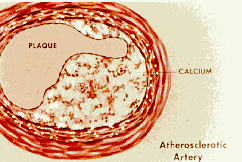
A recent discovery has revealed a minute life form, much smaller than the smallest bacteria. It’s called nanobacteria. Many medical scientists believe these culprits cause hardening of the arteries, kidney stones and other degenerative conditions. These ultra microbes are thought to encase themselves in a shell of calcium.


Researchers involved in this current study have uncovered convincing evidence pointing to nanobacteria forming calcifications or stones on the prostate. These continually growing stones are thought to cause pressure on the prostate giving rise to prostatitis and BPH. Studies suggest that calcium biofilm surrounding the nanobacteria can removed by an amino acid, EDTA, contained in a product called Detoxamin.

The nanobacteria are exposed and then destroyed by tetracycline. This one-two approach of killing the nanobacteria with tetracycline and dissolving the calcium deposits with Detoxamin is the foundation for conducting this study. There is evidence that EDTA also has beneficial results in diminishing hardening of the arteries, atherosclosis. Detoxamin also chelates or binds poisonous heavy metals within deep tissues and enables the body to easily eliminate the toxins through urine and feces. “Our clinical trial will determine if prostate calcifications will either reduce in size or be eliminated altogether.

Furthermore, we will also find out if symptoms decrease or disappear,” says Larry Clapp, PhD, co-investigator and author of Prostate Health in 90 Days.
Toxic heavy metals have been implicated in many diseases of aging from Alzheimer’s, to cardiovascular disease. “I have over 500 patients with a variety of conditions in my practice that I placed on Detoxamin; the reason, because mostly everyone I have tested has a variety of heavy metal build up in their bodies.


Detoxamin is a safe, effective and convenient way to remove these menacing toxins. Therefore, we eliminate the causative agents so that other therapies can work in combination and repair the damage heavy metals cause to cells, tissues and organs,” as stated by Dr. Ellithorpe, the Principle Investigator of the study. This new clinical study supports the use of combination therapy to curtail or eliminate the growing prostate problems.
more information at: Chelation

Friday, October 06, 2006

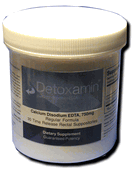
Detoxamin EDTA Chelation Therapy Suppositories are a new patented method of Ca-EDTA chelation therapy medically equivalent to I.V. chelation therapy.

Detoxamin EDTA Chelation Therapy Suppositories are a new patented method of Ca-EDTA chelation therapy medically equivalent to I.V. chelation therapy.

The difference is that Detoxamin introduces a smaller dosage of Calcium Disodium EDTA on a nightly basis.

By applying the highly efficacious Detoxamin suppository containing EDTA, you remove toxic metal from cells all over the body.

The self-administration is performed rectally before retiring so that as you sleep you are taking chelation therapy with EDTA. There's no need for intravenous infusions or quantities of nutritional supplements.

What is EDTA chelation therapy and what is it used for?Chelation (pronounced key-lay-shun) is the process by which a metal or mineral (such as lead, mercury, iron, arsenic, aluminum, etc.) is bonded to another substance-in this case an amino acid called EDTA, Ethylene-Diamine-Tetra-Acetic acid. It is a natural process, basic to life itself. During EDTA chelation therapy, the EDTA infusion bonds with unwanted metals in the body and quickly carries them away in the urine.

Chelation therapy is a safe, effective alternative to drugs and surgeries and is used to treat many illnesses now known to be linked to the presence of toxic heavy metals. Illnesses such as heart disease, strokes, diabetes, circulatory disorders, neuropathies, Alzheimer's disease, atherosclerosis, and adverse reactions to many environmental pollutants. Traditional chelation therapy uses an intravenous drip, and is administered in the outpatient setting.

The number of treatments vary based on each person's individual condition and/or goals of treatment. The average therapy is given one to three times a week for twenty to thirty treatments.How long has EDTA chelation therapy been in use? Why don't more people use it?EDTA chelation therapy for the detoxification for heavy metals has been in continuous use since the 1940s when it was introduced specifically for the treatment of lead poisoning. It was very quickly observed that as the metals were eliminated, not only did the signs and symptoms of lead poisoning abate, but problems related to the circulatory system like heart attacks, angina, strokes, and peripheral vascular disease also improved.

For the past 50 years, well over one million people have received the intravenous form of EDTA chelation. As beneficial and life saving as this therapy has become, it is very expensive and very time-consuming, making it out of reach for most people.Why is Ca-EDTA, Calcium Disodium EDTA, so much better than other types of chelation therapy?According to Dr. Bruce Halstead, "The chemistry of all chelators is such that a change of pH can dramatically effect the process of chemical binding needed to chelate a mineral or metal. When you use a less effective chelator, such as Magnesium EDTA, you lose all chelating ability of the two most essential heavy metals: lead and mercury. Magnesium di-Potassium EDTA has a dramatically lower chelating effectiveness than Calcium EDTA because both magnesium and potassium dramatically decrease the pH in the blood environment to which it is introduced. Any factor decreasing pH renders EDTA less effective.

Once the pH is lowered more than 7.38, it's no longer chemically conducive to any bonding or chelating." (Dr. Halstead is well known as the 'Father of Chelation Therapy'.)

Dr. Morton Walker Speaks on Detoxamin - Toxic Metals Induce Degenerative Diseases; Rectal Chelation Therapy Overcomes Them.

Environmentalists warn us repeatedly that we live on a poisoned planet. Toxins from mercury, lead, aluminum, cadmium, iron, nickel, and about 20 more metallic minerals permeate the Earth's milieu. Heavy and light metals poison us by combining to create deleterious signs and symptoms often referred to collectively as Toxic Metal Syndrome.

This syndrome, an indicator of serious systemic pathology, results in degenerative diseases which affect no less than 92% of the populations of Western industrialized nations, in particular, those people living in apartment high-rises and other polluted city dwellings. What happens to them? These poisoned people eventually come down with manifestations of degenerative illnesses such as heart and/or blood vessel deteriorations; pancreatitis; gout, rheumatoid arthritis or osteoarthritis; the syndromes of yeast, chronic fatigue, and/or irritable bowel; Alzheimer's disease, multiple sclerosis, parkinsonism, and many more which may be deadly-cancer for instance.

Although a poisoned person's bones remain toxic for life, excellent self-treatment exists to reduce or reverse most symptoms of illness in other body parts. First, get tested for the extent of toxicity, then neutralize metallic poisoning with a chelating agent such as Detoxamin. By applying the highly efficacious Detoxamin suppository containing EDTA, you remove toxic metal from cells all over the body. The self-administration is performed rectally before retiring so that as you sleep you are taking chelation therapy with EDTA. There's no need for intravenous infusions or quantities of nutritional supplements.Rectal chelation therapy does the job of detoxifying in a low-cost, convenient manner; it's an effective way to effuse EDTA through the bowel's walls and into your blood stream to clean toxic metals from all body cells.

Do I need Ca-EDTA chelation therapy?
We find ourselves existing in a far more toxic and hostile environment than our bodies were designed to handle. Experts have shown that almost every health problem-from learning disorders to cancer and heart disease-is aggravated by the approximate 1,000% increase in lead levels in our bones. In 1999, it was reliably reported that hearts with some form of disease have 20,000 times more toxic heavy metals than healthy hearts."Human exposure to heavy metals has risen dramatically in the last 50 years as a result of an exponential increase in the use of heavy metals in industrial processes and products." says Maile Pouls, Ph.D (Townsend Letter for Doctors and Patients, July 1999).A recently concluded "Body Burden" study by New York's Mt. Sinai Hospital and the Environmental Working Group was reviewed by University of Oregon Professor Joseph Thornton: "It shows the universality of chemical contamination of people's bodies," Thornton said.

All the studies "confirm the general message that everybody in our society has these chemicals building up. Some people have it worse than others, but everyone has it. No one is clean anymore." (From Being Careful Can't Keep Chemicals Out of Your Body, Miami Herald, February 1, 2003.)Today we know that about one out of every 2.5 Americans will get cancer. Ninety eight percent of cancer is caused by toxic chemicals. When 50% of all men and 33% of all women living now will die of cancer, something is terribly wrong. (Mortality from cancer was reduced by 90% during an 18-year study of 59 patients treated with Calcium-EDTA. This and over 40 other studies prove the efficacy of Ca-EDTA, Calcium Disodium EDTA chelation therapy and Detoxamin. We will all function better and live longer if we lower the overall burden of toxic metals within ourselves. If you eat or breathe, you will probably benefit greatly from chelation therapy.

Is Detoxamin safe for children?
Yes. In fact, Detoxamin case studies were conducted on lead poisoning in children. The study showed no significant increase in BUN or creatinine levels even in very young children. Due to our lower dosage and time release formulation, no renal toxicity was encountered.BEHAVIORAL, STRUCTURAL, FUNCTIONAL ABNORMALITIES ASSOCIATED WITH VARIOUS HEAVY METAL TOXINS.Reference: Published in the August issue of Alternative & Complimentary Therapies (a magazine for doctors) and Published in Townsend Letter for Doctor's and PatientsPsychiatric Disturbances:
Social Deficits, Social withdrawal

Mercury
Repetitive, perseverative, stereotyped behaviors; OCD-typical behaviors
Mercury
Depression, mood swings, flat affect; impaired facial recognition

Arsenic, Copper, Lead, Mercury
Schizoid tendencies; hallucinations; delirium
Mercury
Irritability, aggressive behaviors, temper tantrums
Lead, MercurySuicidal Behaviors
Copper, MercurySleep difficulties / disturbancesLead, Mercury, Thallium
Chronic fatigue (CFS); weakness, malaise
Aluminum, Arsenic, Cadmium, Copper, Lead, Mercury, Thallium
Anorexia; symptoms reflecting eating disorders, loss of appetite/weight
Arsenic, Lead, Mercury
Anxiety; nervous tendencies

Thallium
Attentional problems (ADHD), lacks eye contact, impaired visual fixation
Lead, Mercury

Speech and Language Deficits: Speech disorders
A luminum, MercuryLoss of speech, developmental problems with language Mercury
Speech comprehension deficits

Mercury
Dysarthria; articulation problems; slurred speech, unintelligible speech
Mercury
Cognitive Impairments:Mental retardation, borderline intelligence

Arsenic, Lead, Mercury
Uneven performance on IQ scores, low IQ scores
Copper, LeadPoor concentration, attention deficits (ADHD, response inhibition

Aluminum, Lead
Poor memory (short term, verbal, and auditory)
Aluminum, Lead

Difficulties understanding abstract ideas; difficulty carrying out complex commands

X metals
Dementia; pre-senile and senile dementia
Aluminum
Stupor

Aluminum, Arsenic

Impaired reaction time; lower performance on timed tests

Lead
Sensory Abnormalities:
Abnormal Sensations in the mouth and extremities
Arsenic
Hearing loss, difficulty hearing
Arsenic, Lead, MercuryAbnormal touch sensations; diminished touch sensations, aversion to touch
Arsenic
Blurred vision; sensitivity to light
Arsenic, Mercury
Motor Disorders:
Choreiform movements, myoclonal jerks, unusualpostures

Copper, Mercury
Difficulty walking, swallowing, talking
Copper, Mercury

Flapping, circling, rocking, toe walking
Mercury
Problems with intentional movements or imitation
MercuryAbnormal, gait/posture; incoordination, loss of balance; problems sitting, lying, crawling and walking
Mercury

Decreased locomotor activity
Aluminum, Arsenic
Convulsion; seizure
Aluminum, Arsenic, Copper, Lead, Mercury, Thallium

Physiological Impairment, Brain and Central Nervous System:
Neurofibrillary tangles
Aluminum
Neuritis, retrobulbar neuritis; neuropathy
Aluminum, Arsenic, Lead, Thallium
EncephalopathyAluminum, Arsenic, Lead, Thallium
Cerebrovascular diseaseX metals

Alterations in nerve conduction velocity
Lead
Alterations in the spinal cordThalliumAccumulates in CNS structures
Aluminum, MercuryAbnormal EEGs

Arsenic, Lead
Autonomic disturbancesCopper, Lead, Mercury, Thallium

Peripheral Nervous System:Peripheral neuropathyArsenic, Mercury

Alterations in peripheral nerves
Arsenic
Loss of feeling/ numbness in the extremities; paresthesia

Arsenic, Mercury, Thallium

Gastrointestinal Tract:
Nausea, vomiting, diarrhea; loss of appetite

Arsenic, Mercury

Abdominal pain, stomach cramps; burning of the throat of the mouth

Arsenic, Copper, Lead, Mercury, Thallium

Esophagitis; gastroenteritis; colitis

Arsenic, Mercury, Thallium Cancers (colon, pancreatic, stomach, or rectal) Arsenic

Renal and Hepatic Impairment:Hepatotoxicity; Liver dysfunction, damageArsenic, Copper, Thallium

Cirrhosis of the liver; hepatitis

Copper

Kidney disease; kidney failureArsenic, Lead, MercuryRenal toxicity; tubular proteinosisArsenic, Copper, LeadKidney Damage, histological alterations

Arsenic, Lead
Cardiovascular System:Blood vessel damage

ArsenicAnemia; decreased red blood cell count

Arsenic, CopperHypertension; increased heart rate (tachycardia)

Arsenic, Copper, Lead, Thallium

Electrocardiac disorders, Peripheral vascular disease; cardiovascular disease, vascular collapse

Arsenic, Lead
Respiratory System:Pulmonary Fibrosis

Aluminum, Arsenic
Pulmonary edema

X metals
Pneumonia, laryngitis, pharyngitis, bronchitis

Aluminum, Arsenic, Mercury
Restrictive airway disorders, asthmatic conditions, pneumoconiosisArsenic, Aluminum

Nasal ulcers, perforation of the nasal septumX metalsImmune System:Increased incidences of asthma, autoimmune-like symptoms, & allergies
X metals

Inhibition of lymphocytes, T-cells, monocytes X metals
Immunosuppression

LeadDecreased white blood cell count
Arsenic, ThalliumReproductive System:Genital abnormalitiesAluminum, ThalliumDisturbances in menstrual cycle; menstrual painsCopper, MercuryBirth defects; premature births; Spontaneous abortionArsenic, Lead, MercuryReproductive dysfunctionArsenic, AluminumOther Physical Disturbances:Hypotonia or hypertonia; decreased muscular strengthX metalRashes, contact dermatitis; eczema, itchy/irritating skinAluminum, Arsenic, Copper, MercuryMuscle pain; headache; acrodynia; colicArsenic, Copper, Lead, ThalliumAlopecia (hair loss)Thallium Reference: Published in the August issue of Alternative & Complimentary Therapies (a magazine for doctors) and Published in Townsend Letter for Doctor's and Patients.

Detoxamin Usage Instructions: Detoxamin EDTA Suppositories are solid, bullet-shaped preparations designed for easy insertion into the anus (back passage). Detoxamin is manufactured in a cocoa-butter base, a time-release agent (fatty acid base), and 750 mg of Calcium-Disodium EDTA. Detoxamin will dissolve at body temperature and will gradually spread over the lining of the lower bowel (rectum), where it is absorbed into the bloodstream. Detoxamin is designed to release 750 mg Calcium Disodium EDTA slowly, over an 80-minute period.

A. Detoxamin Protocol for More Severe Cases:
1. Take one suppository at night, prior to bedtime.
2. Take every night for up to 90 days. This will provide the medical equivalence of 30 IV Chelation treatments.
3. Take proper mineral/trace mineral/vitamin replacement every day.
4. Take all other suplementaion every day.B. Detoxamin Protocol for Less Severe Cases/Anti-Aging/Prevention:
1. Take Detoxamin every OTHER night, prior to bedtime.
2. Take Detoxamin every other night for 180 days (90 suppositories). This will provide the medical equivalence of 30 IV chelation treatments.
3. Take proper mineral/trace mineral/vitamin replacement every day.
4. Take all other supplementation every day.

Detoxamin Protocol AFTER A or B is completed:
Your bones are toxic for life. Lead and other heavy metals are stored in the bones and get re-distributed into the bloodstream. Therefore, it is highly recommended to continue maintenance with Detoxamin, this provides the ultimate in Anti-aging benefits.

1. Take 5 Detoxamin suppositories over a 30-day period. This porvides medically equal to about 2 EDTA IV treatments.
2. Take porper mineral/trace mineral/vitamin replacement every day.

Note: Detoxamin is designed to be taken at night, however some patients and physicians prefer taking a suppository in the morning after evacuation. (Optional)

How to Use Detoxamin:
Insert Detoxamin suppositories at night, prior to bedtime.
Eat early in the evening, about 4 hours prior to bedtime. (Reduces any discomfort).
1. Go to the toilet and empty your bowels if necessary.
2. Wash your hands.
3. Remove the plastic wrapping from Detoxamin.
4. Either squat or lie on your side with one leg bent and the other staight.
5. Gently but firmly push the suppository into the rectum, FLAT end first until past the sphincter muscle. By inserting the flat end first opposed to the pointed end, the suppository will travel higher up in the rectum more easily. If necessarey moisten the suppository with a little water. Push it in far enough so it doesn't slip out.
6. Close your legs and sit or lay still for a few minutes.
7. Wash your hands again.
8. Try not to empty your bowels for at least 80 minutes.
9. It is optional to take Detoxamin in the morning, after evacuation.

STORAGE: Store Detoxamin in a cool dark place, but not in the fridge. If Detoxamin suppository gets warm it may melt, put the fridge for a few minutes, this will return the suppository to its original state so it may be inserted.
Shelf Life: 2 Years
More information’s: here Chelation

Paratrex®

Paratrex®

$32.95
[ learn more ]

Add to Cart

Get Paratrex® and promote a natural cleansing of your system. Paratrex® helps create an environment hostile to invading organisms. Help flush your system clean!

Advanced Body Cleansing Kit

Advanced Body Cleansing Kit

$147.75
[ learn more ]

Add to Cart

Advanced Body Cleansing Kit with Livatrex™, Oxy-Powder®, Latero-Flora™ and two bottles of ParaTrex®.