Long-term raw foodists Angela Stokes and Matt Monarch experience Day 3 of a 4 Day Juice Fast Liver Cleanse.

Showing posts with label Live-Blood-Cell-Analysis-Course. Show all posts
Showing posts with label Live-Blood-Cell-Analysis-Course. Show all posts
Tuesday, May 27, 2008


Saturday, May 03, 2008
Raw Food Liver Cleanse - Day 1
Long-term raw foodists Angela Stokes and Matt Monarch embark on a 4 Day Juice Fast Liver Cleanse.
Friday, March 28, 2008
Live Blood Cell Analysis
Live Blood Analysis (LBA), sometimes called Live Blood Cell Analysis, is the high resolution microscopic observation of live blood cells in a dark field, a common technique in microbiology called dark field microscopy. This is a good start for any Detox Program and watch your Detox
during and after the program.
Two drops of blood under a specialized high powered ultra-dark field microscope, reveals anomalies in the blood, that relate to deficiencies in nutrients, dysfunctional bodily systems, toxins and dysbiosis of the human body. discussion in the Forum about darkfield microscopes, darkfield, darkfield microscopy, Live Cell Blood Analysis.
Next course: 14th to 20th April 2008
more information: http://dreddyclinic.com/forum/viewforum.php?f=6
Live Blood Analysis following Chemotherapie
Sunday, March 16, 2008
What is a "Kidney Cleanse" ?
 A Kidney cleanse is a procedure aimed at dissolving Kidney stones - stones formed inside kidneys.
Kidney cleanse can also be used for improving kidney health by flushing out toxins accumulated inside kidney tissues.
There are many different kinds of Kidney stones. Sometimes, it can take days to dissolve them, sometimes it can take months. Sometimes, water is enough, sometimes, you may need several different remedies.
Crystals form in urine from various salts that build up on the inner surfaces of the kidney. Eventually these crystals become large enough to form stones in the kidney (called nephrolithiasis).
Such salts may include calcium oxalate, uric acid, cystine, or xanthine. These salts can become extremely concentrated under certain circumstances: if the volume of urine is significantly reduced (chronic thirst and dehydration); or if abnormally high amounts of crystal-forming salts are present (infection). When concentration levels reach the point at which the salts no longer dissolve, they precipitate out and form crystals.
Stones may also form in the ureter or the bladder. The salts that form these stones are made up of combinations of minerals and other chemicals, some of which are derived from a person's diet.
more discussion: Forum· Addiction Forum · Ask the Doctors Forum · Ayurveda Forum · Ayurvedic & Thai Herbs Forum · Colon Cleansing Forum · Dental Forum · Diabetes Forum · Diet Forum · General Cleansing Forum · Hepatitis A, B. C Forum · Integrated Medicine Forum · Live Blood Analysis Forum · Ozone-Oxygen-Forum · pH - Alkaline - Acidity Forum · Weight Loss Forum
Wednesday, March 12, 2008
Special Report on Parasites
In the world today so many people are sick from diseases that modern medicine does not seem to cure. Is it normal to have low energy, skin rashes, painful joints and bones?
How many people around the globe are on medication with little or no change in their health?
Could it be that the medical establishment has forgotten to look for worm and parasite infection in the human body? In recent studies taken at major hospitals over the last ten years, experts in this field have found that well over 95%of all people have parasitic animals living in them.
What is a Parasite?
A parasite is a small microscopic organism that draws energy and food from you. In fact, parasites are incredible food scavengers that literally consume energy from your cells. The single most undiagnosed health challenge today is parasites. There is no living creature on this earth that is not subjected to invasion by parasitic animals of one form or another.
Parasitic Infection
Here are a few signs of parasitic infection: low energy levels, fatigue, pain and fever, acne, skin rashes and hives, hair loss, grinding of teeth, frequent colds, flu’s, loss of appetite, itchy ears, nose and anus, sexual dysfunction in men, slow reflexes in both children and adults, stomach gas, bloating, excess blood in urine or stool, eating more that usual but still feeling hungry, and numb hands or feet. The list is endless for all the things that parasitic infection can cause.
real video of inside a person. parasites that live. Parasites are caused by eating raw pork meat and other un cooked fish or meat.
more information:
http://www.dreddyclinic.com/integrated_med/parasites.htm
Friday, December 28, 2007
Health Tip: What's Causing Your Dizziness?
(HealthDay News) - Dizziness is not a disease, but a symptom of another condition. While it's usually not serious and is often temporary, it helps to know what's causing the problem.
The University of Michigan Health System lists these common causes of dizziness:
The University of Michigan Health System lists these common causes of dizziness:
- An infection or other condition affecting the inner ear.
- Fatigue, stress or fever.
- Low blood sugar.
- Anemia.
- Dehydration.
- An injury to the head.
- A heart or circulatory condition.
- Stroke.
- A side effect of certain medications.
more discussion: Forum
· Addiction Forum · Ask the Doctors Forum · Ayurveda Forum · Ayurvedic & Thai Herbs Forum · Colon Cleansing Forum · Dental Forum · Diabetes Forum · Diet Forum · General Cleansing Forum · Hepatitis A, B. C Forum · Integrated Medicine Forum · Live Blood Analysis Forum · Ozone-Oxygen-Forum · pH - Alkaline - Acidity Forum · Weight Loss Forum
Oxy-Powder® Complete Cleansing System $147.75  Complete Cleansing System with Livatrex™, Oxy-Powder®, Latero-Flora™, and two bottles of ParaTrex®. |
Tuesday, December 25, 2007
Beware Holiday Toys That Can Injure Young Eyes
(HealthDay News) -- While concern about lead in toys has attracted a great deal of attention lately, it's just one of the potential dangers that toys may pose to children. For example, some toys can damage children's eyes, warns the American Academy of Ophthalmology (AAO).
There were more than 210,000 toy-related injuries treated in U.S. emergency rooms in 2005, and about 6,000 of those involved injuries to the eyes of children under age 15, according to the federal Consumer Product Safety Commission.
"The holidays are supposed to be a time of happiness and celebration. A serious eye injury can bring an abrupt end to the celebration. Parents should choose a toy that is appropriate for their child's age, abilities, maturity, and the parent's willingness to supervise use of the toy," Dr. David Coats, clinical correspondent for the AAO and a pediatric ophthalmologist at Texas Children's Hospital in Houston, said in a prepared statement.
BB guns, darts, pellet guns and paintball guns are among the toys that pose a threat to the eyes.
"Any toy that can eject or propel an object can lead to a serious eye injury if used incorrectly.
This includes innocuous appearing toys such as a popgun or a paddleball set," Coats said.
He also said children who receive sports equipment as gifts should be given protective eyewear.
"If you plan to give sports equipment, provide appropriate protective gear, such as helmets, facemasks or goggles with polycarbonate lenses," Coats said.
More information
Safe Kids USA has more about toy-related injuries.
more discussion: Forum
· Addiction Forum · Ask the Doctors Forum · Ayurveda Forum · Ayurvedic & Thai Herbs Forum · Colon Cleansing Forum · Dental Forum · Diabetes Forum · Diet Forum · General Cleansing Forum · Hepatitis A, B. C Forum · Integrated Medicine Forum · Live Blood Analysis Forum · Ozone-Oxygen-Forum · pH - Alkaline - Acidity Forum · Weight Loss Forum
Friday, December 21, 2007
Sex Ed Does Delay Teen Sex: CDC
(HealthDay News) -- Sex education programs do work to help discourage many teens from becoming sexually active before age 15, according to data released Wednesday by the U.S. Centers for Disease Control and Prevention (CDC).
Formal programs -- such as those presented in schools and church groups -- did appear to delay onset of sexual activity. For example, teen girls in the nationally representative sample were 59 percent less likely to start having sex before age 15 if they had received sex education, while teen boys were 71 percent less likely, the study found.
"We were obviously hoping to find that sex education is effective. We're glad to see the strong associations," said lead author Trisha Mueller, a CDC epidemiologist. She emphasized that in order to be successful, sex education should take place before young people become sexually active.
Mueller's team also learned that teen boys who attended school were almost three times more likely to use contraception if they had attended a sex education program, compared to those who had not.
However, attendance at a sex education class did not seem to impact girls' use of birth control, the survey found.
The survey did not differentiate between programs that emphasized abstinence and those that educated about contraception. Instead, researchers focused only on whether the teens had ever attended any sex education program in a formal setting, such as school or church.
The study was expected to be published in the January issue of the Journal of Adolescent Health.
According to earlier, 2005 data available from the CDC, 47 percent of high school students said they had already had sex. Of those who were currently involved in a sexual relationship, one-third said they were not using a condom.
Curious about the effectiveness of sexual education on these behaviors, Mueller and colleagues examined data from more than 2,000 teen boys and girls between 15 and 19 years of age who participated in the door-to-door 2002 National Survey of Family Growth.
"Formal sex education is beneficial for youth who are considered to be at-risk," noted Mueller, who cited as an example the 88 percent reduced risk of initiation sex before age 15 among urban black females who had received any sex education. Urban black teen girls who were still in school at the time of the survey had a 91 percent reduced risk of initiation sex before age 15, the survey found.
The research also showed that boys living in single-parent households were more likely to delay sex past age 15 if they had attended a sex education class.
Mueller and her team were interested in teen sexual decision-making before and after the age of 15, because the federal governments' Healthy People 2010 initiative treats 15 as a dividing line. Healthy People 2010 sets a wide array of health goals for states and communities to achieve over the first decade of this century. One of its objectives: to reduce the number of teens under age 15 who are having sex for the first time.
"First and foremost, the report makes clear that the timing of sex education is quite important. That is, providing sex education to young people at an early age seems quite important in helping delay sexual activity," said Bill Albert, deputy director of the Washington, D.C.-based National Campaign to Prevent Teen and Unplanned Pregnancy.
The researchers said the study could not explain why sex education might have a stronger effect in delaying sex among teen boys and black girls, but Albert offered an explanation.
"It is the case that declines in sexual activity among teen boys, as opposed to girls, and African-American teen girls, as opposed to other racial/ethnic groups, have been much more dramatic over the past decade. This may, in part, explain why the effect of sex education seems stronger. It may also be that concern about HIV/AIDs may be particularly strong among these two groups," said Albert.
However, certain sub-populations of teens deserve further research, said Mueller. The data suggested that both rural, white teen girls and white or Hispanic teen girls who had dropped out of school might be more likely to have sex before age 15 if they had sex education, but Mueller said the number of people in those groups in the study was so small that the results could be a statistical fluke.
"They were kind of opposite findings," said Mueller, who acknowledged that "some subgroups may not benefit from sex ed the same way as the larger group of teens."
This research comes in the wake of data released Dec. 5 by the CDC showing that the annual rate of births to teens has increased for the first time in 14 years. Between 2005 and 2006, the birth rate for girls 15 to 19 rose 3 percent -- from 40.5 births per 1,000 in 2005 to 41.9 per 1,000 in 2006.
Considering both studies, Albert said, "The early wins may have been won. Future efforts may well have to be more intense, focused, and creative if the nation is to make continued progress in reducing teen pregnancy and childbearing. Put another way, yesterday's way of doing business will no longer suffice."
More information
To find more data about teenagers and sexual decision-making, visit the U.S. Centers for Disease Control and Prevention.
more discussion: Forum
· Addiction Forum · Ask the Doctors Forum · Ayurveda Forum · Ayurvedic & Thai Herbs Forum · Colon Cleansing Forum · Dental Forum · Diabetes Forum · Diet Forum · General Cleansing Forum · Hepatitis A, B. C Forum · Integrated Medicine Forum · Live Blood Analysis Forum · Ozone-Oxygen-Forum · pH - Alkaline - Acidity Forum · Weight Loss Forum
Sunday, December 02, 2007
Extra Doses of Vitamins C, E Don't Guard Against Preeclampsia
(HealthDay News) -- Taking extra doses of vitamins E and C doesn't reduce the chances of the blood pressure disorder preeclampsia in women who are at risk for the dangerous pregnancy complication, a new report finds.
The study casts real doubt on the effectiveness of this regimen in preventing preeclampsia, said study author Dr. Joseph A. Spinnato II, a professor of obstetrics and gynecology at the University of Cincinnati College of Medicine. "There were those that were arguing that the evidence was enough prior to our publication, so I think this is added weight," he said.
There may be other avenues of hope, however.
"The article was compelling and a little disappointing, but the authors left us with an out at the end of the article, that perhaps we shouldn't give E and C at the same time because the E might negate the C," said Dr. Miriam Greene, an assistant professor of obstetrics and gynecology at New York University School of Medicine in New York City. "You can continue and try to do the two separately. They did prove that the drugs were safe."
The findings appears in the December issue of Obstetrics & Gynecology.
Preeclampsia, which occurs in about 5 percent of all pregnant women in the United States, can lead to sudden high blood pressure and irregular blood flow. This can activate platelets and the clotting system, which in turn slows blood flow further.
Risk factors for preeclampsia include: first pregnancy, 10 years since previous pregnancy, carrying multiple fetuses, being overweight, being under 20 or over 35, or having a history of high blood pressure, diabetes, kidney disease, lupus or preeclampsia in a previous pregnancy, according to the March of Dimes.
At present, medical professionals have no clear guidance on how to prevent this potentially fatal condition.
"We don't have a good way to reduce the incidence of preeclampsia, except in calcium-deficient populations and those tend not to be in the U.S.," Spinnato said. "There is some evidence that still supports the use of baby aspirin among patients at risk, but even that is argued pretty heavily."
An Australian study published last year also found no benefit to vitamin C and E supplementation.
The current study involved 707 women at four Brazilian sites who were in their second trimester of pregnancy and who had chronic hypertension or a prior history of preeclampsia.
The women were randomly assigned to receive 1,000 milligrams of vitamin C with 400 International Units of vitamin E or a placebo daily.
The rate of preeclampsia was 13.8 percent in the vitamin group and 15.6 percent in placebo group, which was not a statistically significant difference.
There appeared to be no harmful effects on the fetus, a finding echoed in previous trials.
But this study had one surprise finding: more frequent premature rupture of membranes among women taking vitamins. "That was completely unexpected," said Spinnato, who is following up on the finding.
Other than the possibility that vitamin E is canceling out vitamin C, there is no clear explanation for why the combination didn't work.
"One of the continuing challenges to vitamin supplementation as a general thing is getting it from leafy vegetables is different than getting it from a pill," Spinnato said. "There are also those who argue that we didn't start [giving the vitamins] early enough, but that argument is difficult to swallow. There are medical and legal ramifications even for vitamins."
More information
To learn more about preeclampsia, visit the March of Dimes.
more discussion: Forum
· Addiction Forum · Ask the Doctors Forum · Ayurveda Forum · Ayurvedic & Thai Herbs Forum · Colon Cleansing Forum · Dental Forum · Diabetes Forum · Diet Forum · General Cleansing Forum · Hepatitis A, B. C Forum · Integrated Medicine Forum · Live Blood Analysis Forum · Ozone-Oxygen-Forum · pH - Alkaline - Acidity Forum · Weight Loss Forum
Wednesday, November 28, 2007
Low Testosterone Might Shorten Men's Lives
(HealthDay News) -- Men aged 40 or over with low levels of testosterone may be at increased risk of fatal heart attacks or death from any cause, a British study suggests.
In fact, "The magnitude of the effect was very similar to that of [high] cholesterol or blood pressure," said lead researcher Dr. Kay-Tee Khaw, professor of clinical gerontology at the University of Cambridge School of Clinical Medicine.
However, more work is needed to see whether testosterone supplements should be recommended for men with naturally low levels of the hormone, she said.
"We need to replicate these findings," Khaw said. "We hope we can entice other investigators to look at testosterone levels and see if these findings are confirmed."
Her team published the findings in the Nov. 27 issue of Circulation.
The study included more than 11,600 men ages 40 to 79 who were free of known cardiovascular disease and cancer at the start of the trial. It was done because "there have been lots of studies suggesting that low testosterone may not be good for health," Khaw said. "So, we wanted to see if this could be demonstrated in a large population. Testosterone is hard to measure, the test can be expensive."
The men were divided into four groups based on their blood testosterone levels.
Those men in the highest quarter of testosterone readings -- with at least 19.6 nanomoles of the hormone per liter of blood -- had a 41 percent lower risk of dying over 10 years than those in the lowest quarter of testosterone readings -- less than 12.5 nanomoles of testosterone per liter of blood.
One major question is whether low testosterone is a risk factor itself or just a marker for other risk factors, said Dr. Victor Montori, associate professor of medicine at the Mayo Clinic in Rochester, Minn. He has done his own studies on testosterone replacement therapy.
"It does not mean that replacing or normalizing levels of testosterone would reverse the outcome," he said. "There are other hormones in the blood that are related to other risk factors, such as diabetes and hypertension."
In any case, a testosterone replacement regimen "would not be a walk in the park," Montori said. "It would be a major intervention."
According to Dr. Jorge Plutzky, director of the Vascular Disease Prevention Program at Brigham and Women's Hospital in Boston, the experience of women taking hormone replacement therapy (HRT) shows that hormonal regimens can have their dangers.
Beginning in the 1990s, millions of older American women took HRT, which replaced two female hormones, estrogen and progestin. Early trials had indicated that the therapy might reduce the risk of cardiovascular diseases such as heart attack and stroke in older women.
Instead, the Women's Health Initiative, a major study released in 2002, found that women taking HRT were at increased incidence of stroke, blood clots and breast cancer, noted Plutzky, who is also a spokesman for the American Cancer Society. HRT prescriptions dropped off precipitously after the study's release.
So, much more research is needed on the link between testosterone levels and mortality before doctors can recommend the regimen to men, Khaw said. Such studies might provide "insights and better understanding of disease mechanisms, such as how and why testosterone might be related to poorer health through, for example, insulin metabolism, lipid metabolism or inflammation," she said.
More information
There's more on testosterone at the U.S. National Library of Medicine.
more discussion: Forum
· Addiction Forum · Ask the Doctors Forum · Ayurveda Forum · Ayurvedic & Thai Herbs Forum · Colon Cleansing Forum · Dental Forum · Diabetes Forum · Diet Forum · General Cleansing Forum · Hepatitis A, B. C Forum · Integrated Medicine Forum · Live Blood Analysis Forum · Ozone-Oxygen-Forum · pH - Alkaline - Acidity Forum · Weight Loss Forum
Sunday, November 25, 2007
Back Pain Prevention Should Start With a Plan
 (HealthDay News) -- A 10-step plan to help you reduce body stress and prevent back pain, especially during the demanding holiday season, is outlined by the U.S. National Athletic Trainers' Association.
"The human body is an incredible machine that adapts to the stresses we give it every day. Stresses such as poor posture, unusual movement or activities, or even a sedentary lifestyle can lead to poor mechanics and pain. Disability from back pain is second only to the common cold as a cause of lost work time," certified athletic trainer Darrell Barnes of the St. Vincent Sports Performance Center in Indianapolis, Ind., said in a prepared statement.
Back pain affects 80 percent of adults at some point in their lives, according to the Arthritis Foundation. Each year, Americans pay about $24 billion for treatment of back pain, limited mobility and stiffness.
Here are 10 things you can do to prevent and reduce back pain:
- Identify and correct body stresses such as poor posture, improper lifting techniques, or weak or tight muscles. Strengthen your back, learn proper lifting methods, carry lighter loads, and use luggage carts for heavy packages and suitcases.
- Increase your muscle mobility by stretching or doing activities -- such as yoga, tai chi, swimming or pilates -- that help keep you limber.
- Boost your strength by doing exercises that involve the whole body, especially the core muscles of the stomach, back, hips and pelvis. In addition, strengthening your legs and shoulders can help improve your ability to squat, lift and carry items without overworking or injuring your back.
- Do aerobic exercise, like walking, swimming and running, for at least 20 minutes three times a week. This kind of exercise increases muscular endurance and cardiovascular fitness, improves blood flow to the spine, and helps reduce stress.
- Practice good posture. If possible, don't sit for long periods of time. Get up every 15 to 30 minutes and move around or stretch. When you're seated, keep your hips and knees at right angles to one another and use a chair with adequate lumbar (lower back) support.
- When standing, keep your head up, shoulders straight, chest forward and stomach tight.
- Don't stand in the same position for too long. Use your legs, not your back, when pushing or pulling heavy items.
- Use proper lifting techniques. When lifting objects from a position below your waist, stand with a wide stance and a slight bend at your hips and knees. Tighten your stomach as you lift and keep your back as flat as possible -- don't arch or bend it. When carrying heavy items, keep them as close as possible to your body. Don't carry items on only one side of your body.
- Sleep on a firm mattress and box spring that doesn't sag. Sleep in a position that allows you to maintain the natural curve in your back.
- Warm up before exercise or sports. Increasing muscle temperature and mobility beforehand will reduce the risk of injury.
- Maintain/adopt a healthy lifestyle. Obesity and smoking increase the incidence of back pain.
More information
The U.S. National Institutes of Health offers back pain prevention advice.
more discussion: Forum
· Addiction Forum · Ask the Doctors Forum · Ayurveda Forum · Ayurvedic & Thai Herbs Forum · Colon Cleansing Forum · Dental Forum · Diabetes Forum · Diet Forum · General Cleansing Forum · Hepatitis A, B. C Forum · Integrated Medicine Forum · Live Blood Analysis Forum · Ozone-Oxygen-Forum · pH - Alkaline - Acidity Forum · Weight Loss Forum
Thursday, November 22, 2007
Health Tip: Managing Menopause
 (HealthDay News) - If hot flashes and other symptoms of menopause are cramping your style, the U.S. Department of Health and Human Services offers these suggestions:
- Eat a healthy, balanced diet rich in fruits, vegetables, whole grains and lean meats.
- Get plenty of regular exercise.
- Hormone replacement therapy (HRT) may help certain women, but it carries medical risks. Discuss HRT with your doctor.
- Foods rich in soy may help some side effects, such as hot flashes.
- Get plenty of sleep, and maintain a regular sleep schedule.
- Avoid caffeine and alcohol.
more discussion: Forum
· Addiction Forum · Ask the Doctors Forum · Ayurveda Forum · Ayurvedic & Thai Herbs Forum · Colon Cleansing Forum · Dental Forum · Diabetes Forum · Diet Forum · General Cleansing Forum · Hepatitis A, B. C Forum · Integrated Medicine Forum · Live Blood Analysis Forum · Ozone-Oxygen-Forum · pH - Alkaline - Acidity Forum · Weight Loss Forum
Sunday, September 23, 2007
No Clear Winner in Diabetes Treatment Trial
(HealthDay News) -- A study designed to tell which insulin-plus-drug regimen might best control type 2 diabetes has produced disappointing preliminary results, with none of the three strategies tested coming out on top.
"What this shows is that none of the strategies in the study can be recommended" as being superior to the other, said Dr. Graham T. McMahon, an assistant professor of medicine at Brigham and Women's Hospital in Boston, and co-author of an editorial accompanying the report, published online Friday in the New England Journal of Medicine.
Instead, he said, the insulin regimen would probably have to be tailored to each patient, McMahon said.
The report was released early, because the preliminary, one-year results of the four-year study are being presented at a meeting of the European Association for the Study of Diabetes, in Amsterdam.
The study, led by British diabetes specialists at the University of Oxford, included 708 participants with type 2 diabetes. Type 2 diabetes, which affects about 95 percent of diabetics, typically occurs in adulthood and is often tied to obesity.
All of the trial participants were given maximum doses of two diabetes drugs, metformin and sulfonylurea, and a different regimen of injected insulin three times a day, two times a day or just once a day. The once-a-day group got an extra dose if deemed necessary.
The goal was to reduce blood levels of glycolated hemoglobin, which forms when sugar enters blood cells, to 6.5 percent or less.
The results overall were not impressive: The treatment goal was achieved by just 23.9 percent of those getting insulin three times a day, 17 percent of those getting insulin twice a day and 8.1 percent of those in the once-a-day group, the researchers reported.
The greater success rate in the two- and three-times-a-day regimen had a down side, the team noted, since it was also accompanied by an increased incidence of weight gain and low blood sugar levels, the report said.
Still, the results indicated that "the best thing to be done is to follow current guidelines," McMahon said. That means "using long-acting drugs and adding insulin either once, twice or three times a day," he said, depending on each patient's particular needs.
What the new data "suggests to the doctor is that if you are serious about controlling diabetes, you should be willing to use the more complex method," added Dr. Larry Deeb, clinical professor of pediatrics at the University of Florida and immediate past president of the American Diabetes Association.
Diabetes control "is hard work for doctor and patient," Deeb said, and "family doctors have got to learn to give insulin the way we endocrinologists do." Deeb is located in Tallahassee, Fla., where the ratio of endocrinologists is 1 to 75,000 inhabitants, he noted.
Family doctors can handle type 2 diabetes, McMahon said, but it is best if they do not work alone. "An endocrinologist, nutritionist and nurse-educator should cooperate," he said.
Because type 2 diabetes is a major risk factor for heart disease, attention should be paid not only to blood sugar levels but also to other coronary risk factors, such as blood pressure and cholesterol levels, McMahon said.
What lies ahead for the British study is uncertain, McMahon said. "They are going to next look at what happens when the first steps fail," he said.
More information
For more on type 2 diabetes, consult the American Diabetes Association.
more discussion: Forum
· Addiction Forum · Ask the Doctors Forum · Ayurveda Forum · Ayurvedic & Thai Herbs Forum · Colon Cleansing Forum · Dental Forum · Diabetes Forum · Diet Forum · General Cleansing Forum · Hepatitis A, B. C Forum · Integrated Medicine Forum · Live Blood Analysis Forum · Ozone-Oxygen-Forum · pH - Alkaline - Acidity Forum · Weight Loss Forum
Thursday, September 20, 2007
Nasal Flu Vaccine Approved for Children Ages 2-5
 (HealthDay News) -- The nasal flu vaccine FluMist has been approved by the U.S. Food and Drug Administration for children between the ages of two and five.
Previously, the vaccine's approval had been limited to healthy people ages five to 49. It's made from a weakened form of the live influenza virus; in contrast flu shots usually contain a dead form of the virus.
The U.S. Centers for Disease Control and Prevention suggests that children six months and older be vaccinated for flu. However, the FDA said children under two years should not get FluMist because of an increased risk of wheezing and other side effects of the nasal inoculation.
FluMist also shouldn't be given to anyone with asthma, those with allergies to eggs, or to children under age five who chronically wheeze, the agency said.
FluMist is produced by MedImmune Vaccines Inc.
More information
Here's more about the expanded FluMist approval from the FDA.
more discussion: Forum
· Addiction Forum · Ask the Doctors Forum · Ayurveda Forum · Ayurvedic & Thai Herbs Forum · Colon Cleansing Forum · Dental Forum · Diabetes Forum · Diet Forum · General Cleansing Forum · Hepatitis A, B. C Forum · Integrated Medicine Forum · Live Blood Analysis Forum · Ozone-Oxygen-Forum · pH - Alkaline - Acidity Forum · Weight Loss Forum
Sunday, September 16, 2007
Don't Ignore Tough or Long-Term Stomach Pain
(HealthDay News) -- While the occasional stomachache isn't a serious health issue, persistent or severe stomach pain is another matter that could signal serious trouble, says the American College of Gastroenterology (ACG).
People with the following symptoms need to see a doctor:

People with the following symptoms need to see a doctor:
- steady, severe pain or regularly recurring pain;
- pain lasting for hours or days;
- pain that wakes you from sleep;
- pain that impairs your ability to work or perform routine activities;
- loss of weight or appetite.
Immediate medical attention is required if abdominal pain is accompanied by:
- fever;
- diarrhea;
- persistent constipation;
- blood in the stool;
- change in the color of urine;
- persistent nausea or vomiting;
- vomiting blood;
- severe tenderness of the belly;
- jaundice (yellowish discoloration of the skin or whites of the eyes);
- swelling of the abdomen.
The ACG also recommends that people see a doctor if they are regularly taking any medicines that can cause ulcers, such as aspirin or other medications commonly used to treat arthritis or headaches.
More information
The MedlinePlus Medical Encyclopedia has more about abdominal pain.
more discussion: Forum
· Addiction Forum · Ask the Doctors Forum · Ayurveda Forum · Ayurvedic & Thai Herbs Forum · Colon Cleansing Forum · Dental Forum · Diabetes Forum · Diet Forum · General Cleansing Forum · Hepatitis A, B. C Forum · Integrated Medicine Forum · Live Blood Analysis Forum · Ozone-Oxygen-Forum · pH - Alkaline - Acidity Forum · Weight Loss Forum
Thursday, September 13, 2007
Contact Lens Germs Give Clues to Eye Infection
(HealthDay News) -- Cultures made from organisms found on contact lenses may help identify the causes of corneal eye infection (microbial keratitis), Australian researchers report.
Reporting in the September issue of the journal Archives of Ophthalmology, researchers at the University of Melbourne reviewed the records of 49 patients (average age 34) with contact lens-related microbial keratitis. There were a total of 50 affected eyes.
Organisms were found to be growing on 17 (34 percent) corneal scrapings and 35 contact lenses (70 percent). In 13 eyes, identical organisms were growing in the cultures taken from the corneal scrapings and from the contact lenses. In two eyes, different organisms were found in the corneal eye scrapings and in the contact lenses.
Serratia marcescens was the most common organism found in both the corneal scrapings and the contact lenses, the researchers said.
"Contact lens culture may help in the identification of the causative organism in many cases of contact lens-related microbial keratitis," the study authors concluded. Culture findings may also "help in choosing the appropriate microbial agent" to fight the patient's infection, the researchers added.
More information
The U.S. Food and Drug Administration outlines the risks associated with contact lenses.
more discussion: Forum
· Addiction Forum · Ask the Doctors Forum · Ayurveda Forum · Ayurvedic & Thai Herbs Forum · Colon Cleansing Forum · Dental Forum · Diabetes Forum · Diet Forum · General Cleansing Forum · Hepatitis A, B. C Forum · Integrated Medicine Forum · Live Blood Analysis Forum · Ozone-Oxygen-Forum · pH - Alkaline - Acidity Forum · Weight Loss Forum
Monday, September 10, 2007
1 in 3 Varsity Athletes Has Exercise-Induced Asthma
 (HealthDay News) -- One out of three college athletes have what's known as exercise-induced asthma, even though they may have no prior history of the illness, a new study shows.
Previous research in Olympic athletes has also shown high rates of exercise-induced asthma.
"We targeted varsity athletes in this study, because many of the reported severe episodes of asthma provoked by exercise have occurred among competitive athletes under the age of 21," Dr. Jonathan Parsons, associate director of the Ohio State University Medical Center's Asthma Center, said in a prepared statement. "Now that we've demonstrated how common this problem can be, more research is needed to determine the best way to monitor and manage athletes at the highest risk of developing symptoms while participating in their sports."
Exercise-induced asthma typically occurs between 5 minutes and 20 minutes after intense physical exertion. Symptoms include wheezing, chest tightness, coughing, shortness of breath and chest pain, according to the American Academy of Allergy, Asthma & Immunology.
While 7 percent of Americans are known to suffer from asthma, many others, including people with allergies or a family history of allergies, may experience asthma after exercise.
Approximately one in 10 people with no history of asthma can experience exercise-induced asthma.
Parsons' team tested 107 varsity athletes for exercise-induced asthma. Out of that group, 42 (39 percent) were positive. The majority of the athletes who tested positive had no prior history of asthma. The data also showed that gender and the breathing demands of the athlete's preferred sport did not affect the likelihood of testing positive.
The researchers tested for asthma using "eucapnic voluntary hyperpnea testing." This is a technique that mimics the expected changes in exercise-induced asthma by making a person hyperventilate and then measuring their lung function. According to the researchers, this is the first study to use this method in varsity athletes.
Writing in the September issue of Medicine & Science in Sports & Exercise, the researchers called for the development of routine asthma diagnosis and management among athletes.
According to the researchers, the symptoms of exercise-induced asthma varied widely in the group of athletes they studied, demonstrating the difficulty of diagnosing the condition.
"One important finding of this study is that a history of symptoms with exercise is not enough to make a correct diagnosis," said Parsons. "Diagnosis and treatment of exercise-induced asthma based solely upon subjective symptoms could increase the number of inaccurate diagnoses and expose people to unnecessary medications."
More information
To learn more about exercise-induced Asthma, visit the American Academy of Allergy, Asthma & Immunology.
more discussion: Forum
· Addiction Forum · Ask the Doctors Forum · Ayurveda Forum · Ayurvedic & Thai Herbs Forum · Colon Cleansing Forum · Dental Forum · Diabetes Forum · Diet Forum · General Cleansing Forum · Hepatitis A, B. C Forum · Integrated Medicine Forum · Live Blood Analysis Forum · Ozone-Oxygen-Forum · pH - Alkaline - Acidity Forum · Weight Loss Forum
Thursday, May 17, 2007
Premature Babies Face Future Blood Sugar, Blood Pressure Problems
(HealthDay News) -- Babies born early and underweight have a greater chance of developing insulin resistance, glucose intolerance and high blood pressure when they become young adults than normal-weight babies, a new study says.
These factors can put a person at higher risk for heart disease and other health problems.
"Most small premature infants live healthy lives as adults," said study lead author Dr. Eero Kajantie, a pediatrician and senior researcher at the National Public Health Institute in Helsinki, Finland. "However, our findings indicate that they might be at a higher-than-average risk of common late-life disorders such as type 2 (adult) diabetes or cardiovascular disease."
The goods news is that the risk of developing these problems can be reduced with a healthy lifestyle, one that incorporates physical activity and a healthy diet and maintaining a normal weight, Kajantie added.
Kajantie's study is published in the May 17 issue of the New England Journal of Medicine.
Researchers have already established a link between small size at birth and glucose-regulation problems later in life. There is also a known association between preterm birth with very low birth weight and insulin resistance in childhood.
And research has shown that full-term babies with low birth weight have a higher risk of health problems such as hypertension, cardiovascular disease and type 2 diabetes when they reach young adulthood.
The question is whether insulin resistance, and therefore an elevated risk for various diseases, persists into adulthood in babies born premature and underweight.
The issue is a highly relevant one, given that advances in neonatal intensive care have drastically changed the prognosis for very-low-birth-weight infants. According to an accompanying editorial in the journal, in 1960, a baby born weighing 1,000 grams (2.2 pounds) had a 95 percent risk of dying. Today, that same child has as 95 percent chance of surviving.
As the new study noted, the first generation of infants who benefited from these improvements is now entering adulthood.
For the study, the researchers performed standard oral glucose tolerance tests in 163 young adults aged 18 to 27 who had been underweight at birth. They also performed the same tests in 169 people who had been born at term and at normal size. All participants also had blood pressure and blood lipid levels measured.
Body composition was measured in 150 adults who had been very-low-birth-weight babies and in 136 "normal" people.
The adults born with very low birth weights had a 6.7 percent increase in two-hour glucose concentration, a 16.7 percent increase in fasting insulin concentration, a 40 percent increase in two-hour insulin concentration, an 18.9 percent increase in the insulin-resistance index and an increase of 4.8 mm Hg in systolic blood pressure.
"We would simply encourage former preterm infants to follow a healthy lifestyle," Kajantie said. "It is important that, in particular, doctors following up adults would be aware of their patient's birth history. Preterm birth/very low birth weight may serve as an additional risk factor when deciding, for example, whether a workup of glucose tolerance or diabetes is needed in an individual patient."
And researchers should continue following the issue, Kajantie said.
"Further research is certainly needed, for example, to establish specific guidelines for follow-up of children/adults with very low birth weight," Kajantie said. "Moreover, this study actually tells us about infants who were treated at a neonatal intensive care unit over 20 years ago (1978 to 1985). There have been considerable developments in neonatal intensive care after that period."
More information
Stanford University's Lucile Packard Children's Hospital has more on very low birth weight babies.
Wednesday, January 17, 2007
I currently work on average about 8 days per month as a Microscopist
 My name is Mary Beth Mittleman, I am a mother of three (young) children, I run my own successful business and I am married to Stu Mittleman, ultra marathoner who runs a successful coaching business of his own.
I am also a Microscopist trained by Dr. Young which gives me the freedom and flexibility needed to balance my hectic work and family life. And the most profound impact the microscopy provides me with is the ability to give back and contribute to others.
I grew up in Columbus, Ohio with a dream to be an artist. I got a BFA from Syracuse University and went on to receive an MFA in painting from Columbia University. I was a struggling artist living a bohemian lifestyle in NYC where I met my husband ultra marathoner Stu Mittleman. At this time I became intrigued with health and fitness, ran three NYC Marathon's (all coached by Stu), and became a mother of two.
We moved to San Diego from New York City in 1998. That year we were introduced to alkalizing and energizing the system through the acid/alkalinity distinctions. I had my blood looked at and became interested in what was happening from the inside out. Seeing my blood cells made me realize this was the leverage I needed to transform my own health and energy. I immediately saw the power and the impact this visual representation of seeing one's blood has on our day to day life.
I discovered it was possible to study and become a Microscopist without years of degrees and training. I studied with Dr. Robert O. Young and became a certified Microscopist in a reasonable amount of time.
After I went through the beginners and advanced course I coordinated blood testing for Tony Robbin's Life Mastery seminar in 1999 and 2000, in which over 2000 people were tested at one event.
The experience was extraordinary.
Stu and I had our third child in August 2000 just before the Robbins Life Mastery event. The joy in being able to study and apply my skill as a Microscopist was such a blessing. I went through my pregnancy and then with my new born baby, I had the flexibility to be a Microscopist anywhere I desired.
I'd asked myself 'How is it possible to educate and to create distinctions with even more people?' Blood Cell Analysis is the answer!
I love the opportunity to make a difference.
I currently work on average about 8 days per month as a Microscopist, I affiliate with other health practitioners. I visit a Chiropractors office twice a month and also a Colon Hydrotherapy/Lymphatic (Colon Cleansing) Practicioner's office twice a month, where various healing and cleansing modalities are offered.
I work with their patient/client base (I can see between 8-10 people a day), creating a unique service for the other health practitioners and creating a steady stream of new clients for me.
The other days I have private appointments for Microscopy, some days from my home and many times I am asked to travel to perform microscopy for groups.
Microscopy offers me Flexibility and Freedom, consequently giving me the choice of where I want to focus my energies! To serve others and contribute at a cellular level is so fulfilling and truly rewarding.
Take action NOW! Become a nutritional Microscopist. Commit to transforming your health, energy and awareness within and with others.
I promise you your life will take on a new meaning and groundedness.
From the Heart,
Mary Beth Mittleman
We would like to thank Mary Beth from our hearts for her passion for the New Biology? and her selfless contribution to the mission of saving lives and changing lives.
Dr Robert & Shelley Young
http://www.phmiracleliving.com/
PS If you have been contemplating whether the Microscopy course is for you. Mary Beth's story may have answered some of your questions and inspired you to join us on March 12th through the 17th for the Basic Course and for our Advanced Microscopy Course March 19th through the 24th.
Our latest book 'The pH Miracle for Weight Loss' has been at the number one position for all Weight Loss books being sold on Amazon.com.
In fact every time we go on TV with our book our web traffic jumps by up to 500% all of which adds to the growing demand for more microscopists.
more info at: http://www.dreddyclinic.com/integrated_med/live_blood.htm
Saturday, November 11, 2006
How long has EDTA chelation therapy been in use? Why don't more people use it?
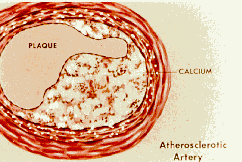 EDTA Chelation therapy for the detoxification for heavy metals has been in continuous use since the 1940s when it was introduced specifically for the treatment of lead poisoning.
It was very quickly observed that as the metals were eliminated, not only did the signs and symptoms of lead poisoning abate, but problems related to the circulatory system like heart attacks, angina, strokes, and peripheral vascular disease also improved.
For the past 50 years, well over one million people have received the intravenous form of EDTA chelation. As beneficial and life saving as this therapy has become, it is very expensive and very time-consuming, making it out of reach for most people.
more information: Chelation
more discussion: Forum
· Addiction Forum · Ask the Doctors Forum · Ayurveda Forum · Ayurvedic & Thai Herbs Forum · Colon Cleansing Forum · Dental Forum · Diabetes Forum · Diet Forum · General Cleansing Forum · Hepatitis A, B. C Forum · Integrated Medicine Forum · Live Blood Analysis Forum · Ozone-Oxygen-Forum · pH - Alkaline - Acidity Forum · Weight Loss Forum
Subscribe to:
Posts (Atom)
Paratrex® $32.95 Get Paratrex® and promote a natural cleansing of your system. Paratrex® helps create an environment hostile to invading organisms. Help flush your system clean! |
Advanced Body Cleansing Kit$147.75 Advanced Body Cleansing Kit with Livatrex™, Oxy-Powder®, Latero-Flora™ and two bottles of ParaTrex®. |