Dr. Group talks about how to beautify your skin the natural way..you know, without make up.

Showing posts with label make up. Show all posts
Showing posts with label make up. Show all posts
Thursday, August 07, 2008


Tuesday, July 01, 2008
101 Painless Ways to Detoxify Your Mind, Body, and Home
 By Laura Milligan
Crash diets and certain fads that promise to give your body the detox treatment are not only harmful to your health, but they can leave you feeling cranky, irritable, exhausted and starving. There are some beneficial long term effects of detoxification, however, including a more focused mind, more energy, clearer skin and decreased chances of developing cancer and other chronic diseases. If you’re interested in detoxifying your entire mind, body and living spaces, but aren’t ready to starve yourself or cause yourself more stress on a crazy diet, use this list to incorporate 101 painless ways to get the results you want.
Bad Habits to Break
Hardcore smokers may not consider giving up their vice "painless," but there are alternative treatments that help you break these and other bad habits, freeing your body of harmful chemicals, slower metabolisms and inefficient digestive systems.
Smoking: Every time you smoke a cigarette, your body has to fight off harmful amounts of tar, smoke, nicotine, ammonia and carbon monoxide, as well as other toxins.
Alcohol: While some doctors and scientists argue that a low to moderate consumption of alcohol is beneficial to your health, alcoholic beverages put a lot of stress on your body, and are full of sugar and calories. If you drink even a little too much, you may notice differences in your digestion, headaches, nausea, sluggishness, and other toxic side effects.
Not getting enough sleep: Even though you’re not putting anything harmful in your body, not getting enough sleep can be harmful to you. Follow these tips to fall asleep faster and understand why sleep is so important.
Eating fast food and frozen food: Even if you think you’re getting a good meal from a frozen dinner, the important minerals and vitamins have probably been cooked out of the foods already. Fast food tends to have a lot of extra salt, fat and artificial flavoring, all of which add unnecessary toxins to your body and make you feel weighted down.
Short temper: If you’re constantly getting angry at people or suspecting them of cheating you out of something, your mind is never at peace. Learn to relax by learning to fix a short temper.
Over dieting: Though a good diet that’s free of fast food, junk food and too much alcohol is an important step in detoxifying your body and mind, over dieting can be harmful as well. If you’re depriving your body of nutrients or causing your body stress by binging and purging, you need to change your dieting habits.
Clutter: A cluttered home causes emotional stress. Increase productivity and give yourself a sense of calm by taking out the trash, cleaning the dishes and reducing clutter.
Being negative: Get rid of negative thoughts and feelings, and you’ll find that a life filled with feelings of gratitude, optimism and perspective will make you more successful and happy.
Caffeine addiction: Being addicted to caffeine can be a serious problem for some people: too much coffee affects sleep patterns, energy levels, social skills, concentration and focus, and job performance. Get tips for breaking the caffeine habit here.
Isolation: Taking time out for yourself is a good way to get centered, but spending too much time alone isn’t good for your spirit. Visit a neighbor or family member for a little social interaction, which will keep you from feeling depressed and lonely. Read more>>
Thursday, April 24, 2008
i am not the only crazy in town after all......
To anyone willing to listen, i warn you that this will be boring for most but it is my way of trying to educate people about Multiple Chemical Sensitivity/Environmental Illness. i recently wrote my first "Blog" for a website that deals with this health issue and, guess what?, i got some replies. what follows is my blog and one of the replies and then a website with a video that the "reply guy" made. i can tell you that when i started viewing his video i thought "you've got to be kidding" and then i realized that, hey!,
I've been there. I started feeling a lot of sadness for this guy. it is all just so hard to believe, really.here goes. if you get to the very end, click on the website, but read the text first; you are being watched..Hi All,I recently had a conversation with my E/I doctor that made me realize that many people with MCS/EI are sick all the time for a very simple reason; they don't have a safe place to sleep. He was telling me that I was lucky because i did have periods of time where I did feel OK.
I told him what I am going to tell you now.I got sick in November of 1991. My primary concern over the years since then has been to find and maintain a safe place to sleep. My day is about something like walking through a minefield (can you relate?); trying to avoid the perfumes, cells phones, fabric softeners, computers, TV's, etc. that are everywhere.
This is not an easy task. My x-wife and I were married for nine years but lived together for only four. This is probably why we stayed together so long. For most of those years I woke up every morning and started my routine of trying to find a place where my whole family could live. During one of those periods, about a year, I lived alone in the Santa Fe Residence Inn sleeping in the fetal position on a small couch;
I could not get near the bed. OK. This can turn into a very long story and I don't want that so my basic belief is if you are sleeping in a place that makes you sick you will probably stay sick most of the time. When I have a reaction it usually lasts for the remainder of the day and into the night but, usually, by the next morning I am pretty much recovered. So, for those of you who think what I am saying might fit you need to do the work.
There is a protocol that I use in identifying places but I can tell you that in Santa Fe it was really difficult to find housing. I have a condo there now but can only be in one of the two bedrooms and not the walk-in closet. My kitchen and one bathroom are partially taped up to cover some of the invisible mold that got in there for various reasons. If I lost the condo I don't think I would look for new housing there.Best of Luck; we all need it,
Harry (4/21/08) written by Gordon D McHendry, April 15, 2008Hi Harry,Thank you very much for your post. You make an excellent point about how absolutely essential it is to find a safe place to sleep.Initially I had to sleep in my garden shed (for 6 years) to avoid being poisoned to death by an off gassing new bungalow. Then the shed was chemically contaminated (maliciously I suspect) driving me back indoors.
Fortunately, by then the worst of the off gassing was over - but the house itself (rented) still makes me ill.Though my 'home' still makes me ill it is the bedtime/night-time part that really wipes me out. I haven't had a proper bed for years as everything I try makes me very ill - very quickly.
For the past few years now I have had to sleep on a disintegrating 12 year old corner-unit sofa which poisons me so badly every night that I am reeling and staggering about like a drunk by the time I get up.The bed part isn't the only problem though. Bedding is just as bad - sometimes worse. I can't find a pillow either. And everything else I try now to lay my head on to sleep (see: http://www.mcs-international.o...illow.html) makes me rapidly and quite violently ill.So, between the bed and the bedding issues, I haven't had one single nights sleep in years that couldn't be described as "chemical torture".
This is why I was so appreciative of your post because you highlight what I consider to be the very worst aspect of MCS/Chemical injury; toxic bedding (other video here: http://www.mcs-international.o...dding.html).
The best of luck to you too Harry,Gordon D McHendryFounder & Campaign Coordinatorwww.mcs-international.org YES. THIS IS THE WEBSITE!! http://www.mcs-international.org/vv_chemical_injury/mcs_toxic_bedding.html
I've been there. I started feeling a lot of sadness for this guy. it is all just so hard to believe, really.here goes. if you get to the very end, click on the website, but read the text first; you are being watched..Hi All,I recently had a conversation with my E/I doctor that made me realize that many people with MCS/EI are sick all the time for a very simple reason; they don't have a safe place to sleep. He was telling me that I was lucky because i did have periods of time where I did feel OK.
I told him what I am going to tell you now.I got sick in November of 1991. My primary concern over the years since then has been to find and maintain a safe place to sleep. My day is about something like walking through a minefield (can you relate?); trying to avoid the perfumes, cells phones, fabric softeners, computers, TV's, etc. that are everywhere.
This is not an easy task. My x-wife and I were married for nine years but lived together for only four. This is probably why we stayed together so long. For most of those years I woke up every morning and started my routine of trying to find a place where my whole family could live. During one of those periods, about a year, I lived alone in the Santa Fe Residence Inn sleeping in the fetal position on a small couch;
I could not get near the bed. OK. This can turn into a very long story and I don't want that so my basic belief is if you are sleeping in a place that makes you sick you will probably stay sick most of the time. When I have a reaction it usually lasts for the remainder of the day and into the night but, usually, by the next morning I am pretty much recovered. So, for those of you who think what I am saying might fit you need to do the work.
There is a protocol that I use in identifying places but I can tell you that in Santa Fe it was really difficult to find housing. I have a condo there now but can only be in one of the two bedrooms and not the walk-in closet. My kitchen and one bathroom are partially taped up to cover some of the invisible mold that got in there for various reasons. If I lost the condo I don't think I would look for new housing there.Best of Luck; we all need it,
Harry (4/21/08) written by Gordon D McHendry, April 15, 2008Hi Harry,Thank you very much for your post. You make an excellent point about how absolutely essential it is to find a safe place to sleep.Initially I had to sleep in my garden shed (for 6 years) to avoid being poisoned to death by an off gassing new bungalow. Then the shed was chemically contaminated (maliciously I suspect) driving me back indoors.
Fortunately, by then the worst of the off gassing was over - but the house itself (rented) still makes me ill.Though my 'home' still makes me ill it is the bedtime/night-time part that really wipes me out. I haven't had a proper bed for years as everything I try makes me very ill - very quickly.
For the past few years now I have had to sleep on a disintegrating 12 year old corner-unit sofa which poisons me so badly every night that I am reeling and staggering about like a drunk by the time I get up.The bed part isn't the only problem though. Bedding is just as bad - sometimes worse. I can't find a pillow either. And everything else I try now to lay my head on to sleep (see: http://www.mcs-international.o...illow.html) makes me rapidly and quite violently ill.So, between the bed and the bedding issues, I haven't had one single nights sleep in years that couldn't be described as "chemical torture".
This is why I was so appreciative of your post because you highlight what I consider to be the very worst aspect of MCS/Chemical injury; toxic bedding (other video here: http://www.mcs-international.o...dding.html).
The best of luck to you too Harry,Gordon D McHendryFounder & Campaign Coordinatorwww.mcs-international.org YES. THIS IS THE WEBSITE!! http://www.mcs-international.org/vv_chemical_injury/mcs_toxic_bedding.html
Thursday, April 10, 2008
Lemon Drink for your Master Cleanse
 LEMON DRINK for your Master Cleanse - you need:
2 tablespoons FRESH squeezed lemon or lime juice (approx. 1/2 lemon)
2 tablespoons genuine organic maple syrup, Grade B (the darker the better)*
1/10 teaspoon (a small pinch!) cayenne pepper, gradually increase (the more BTUs the better)
300 - 500 ccm (10-14 oz) pure water
In a 300ccm (10-ounce) glass (to allow for 227ccm and mixing room): 2 tablespoons fresh (and organic, if possible) lemon or lime juice (absolutely no canned or frozen juice). 2 tablespoons real (and organic, if possible) grade B or C maple syrup. (Don't use Grade A maple syrup or maple-flavored syrup.
They are over-refined, which means that they are mostly refined sugars and lack essential minerals.) A small pinch of cayenne pepper (to taste). Spring or purified water, between room temperature and medium hot (but not cold) – fill to 1/4 liter (8 oz). Mix all the ingredients by thoroughly stirring or shaking, and drink.
Or, in two 1 liter bottles: Juice of 3 lemons, divided equally between the two bottles (about 85ccm or 3 oz per bottle) An equal quantity of grade B or C maple syrup in each bottle (about 85 ccm or 3 oz per bottle) A pinch of cayenne in each bottle Spring or purified water (fill bottles to the top) Mix all the ingredients by thoroughly shaking; then drink throughout the day.
Use fresh lemons or limes only, never canned or frozen lemon juice. Use organic and vine ripened when possible. Also, mix your lemonade fresh just before drinking. Don't mix it up in the morning for the whole day. You can, however, squeeze your lemons in the morning and measure out the 2 tablespoons when needed.
SALT WATER FLUSH:
Drink an oral salt water enema upon arising. To do this, add 2 level teaspoons of uniodized sea salt to a quart of lukewarm water (the one-quart juice bottles in which most organic juices come work very well). Shake well, then drink the entire quart. It's also good to massage the colon as well. Make sure you use uniodized sea salt; regular or iodized salt will not have the same beneficial effect. This oral enema will flush out your entire digestive tract and colon from top to bottom, usually within an hour, prompting you to eliminate several times, clearing out the plaque and debris from the walls, and the parasites that have been living there.
Lemonade Drink:
Drink the lemonade mix every 1 to 2 hours. Take no other food, but do be sure to drink plenty of purified water in addition to the lemonade drink. Drink as much of this lemonade as you want, but make sure that you drink at least twelve 1/4 liter (8 oz) glasses. The lemonade contains all the vitamins and minerals you need. This can be combined with supplements for colon cleansing such as Bentonite or Psyllium Seeds.
You don't have to start your fast on the morning of the first day. You can begin later in the day, even if you've already eaten. Once you begin, however, eat nothing more while you're on the fast. It's also a good idea to read Stanley Burrough's book, The Master Cleanser. Note: Diabetics, refer to the special instructions on page 19 of The Master Cleanser.
Note: Bentonite is the only product known to remove plaque from the walls of the intestine and colon. The plaque in your stool will look like egg shells on the outside of the bentonite "gel." Bentonite works most effectively when the colon is empty of food. It grabs the plaque which has been loosened by the lemon juice and the resting/fasting process. The salt water enema pushes out the bentonite gel and the plaque and debris that is stuck to it and in it. The salt water further cleanses the walls as it passes through, resulting in shiny clean walls.
Herbal Laxative:
Each evening you can drink an herbal laxative tea to help with elimination, do this right before bed time.
GOING OFF LEMONADE FAST
Burroughs recommends a minimum of 10 days on this. You can safely do 40 days or more.
First Day: Start with 4 oz. [1/8 liter] fresh squeezed orange juice mixed with 4 oz. water. If it goes well, drink several more 8 oz. [1/4 liter] glasses of fresh orange juice during the day. Sip slowly. Dilute with water if needed.
Second Day: Drink several 8 oz. [1/4 liter] glasses of orange juice during the day -- with extra water, if needed.
In the evening make a vegetable broth (no canned soup). Use seasonal leafy and root vegetables such as: beets and beet tops, turnips and turnip greens, kale, carrots, onions, parsley, celery, potatoes, okra, one or two inds of legumes, squash, beans, a little salt, cayenne pepper and dehydrated vegetables or veg. powder may be added for flavor (no MSG or hydrolyzed protein).
Cook lightly. Drink the broth, eating only a few bites of the vegetables.
Third Day: Orange juice in the morning. At noon have some more soup with some of the vegetables. No meat, fish, eggs, bread, pastries, tea, milk, or coffee. For Dinner, have the vegetables in the soup.
Fourth Day: Orange juice or lemon and maple syrup in the morning. Fruits, vegetables, seeds, nuts for lunch. Salad or fruit for dinner.
Fifth Day: Eat normally but no junk food, dairy, tea, coffee, white flour or white rice, heavy animal proteins. If, after eating is resumed, distress or gas occurs, go back to the lemonade diet for a few days until the system is ready for food.
(Excerpt from "Healing for the Age of Enlightenment" by Stanley Burroughs -Stanley Burroughs Master Cleanse - available through Essential Science Publishing.)
Monday, December 31, 2007
Men Who Smoke Prone to Impotence
(HealthDay News) -- If heart disease, stroke and certain cancers haven't been reason enough for men to quit smoking, consider this: The habit also increases the risk of erectile dysfunction.
In fact, emerging research shows that men with a pack-a-day habit are almost 40 percent more likely to struggle with erectile dysfunction than men who don't smoke.
"Smoking delivers nicotine and other vasoconstrictors that close down the blood vessels" of the penis, explained Dr. Jack Mydlo, chairman of urology at Temple University School of Medicine and Hospital in Philadelphia.
Erectile dysfunction -- also called "ED" or impotence -- is the inability to achieve or sustain an erection on repeated occasions. It's estimated that about two of every 100 American men have erectile dysfunction serious enough to warrant a doctor's visit, according to the U.S. National Institute of Diabetes and Digestive and Kidney Disorders. As men age, the risk of erectile dysfunction increases.
A recent study of more than 8,000 Australian men between the ages of 16 and 59 found that those who smoked less than a pack a day had a 24 percent increased risk of erectile problems. And, as the number of cigarettes smoked went up, so, too, did the chances of erectile dysfunction. Those men who averaged more than 20 cigarettes a day increased their risk of erectile dysfunction by 39 percent, reported the study, published in the journal Tobacco Control.
Another study, this one published in the American Journal of Epidemiology, found that male smokers in their 40s were more likely to experience erectile difficulties than older nonsmoking males. The risk of erectile dysfunction was nearly doubled for smoking men in their 40s compared to nonsmokers in their 50s.
"Smoking, because it causes blood vessel constriction, is a very big cause of erectile dysfunction," said Dr. Larry Lipshultz, chief of male reproductive medicine at Baylor College of Medicine in Houston.
Smoking isn't the only cause of impotence problems -- other lifestyle habits can have a big impact on men's sexual health. Obesity, heavy alcohol consumption and recreational drug use can all cause erectile dysfunction. And a sedentary lifestyle can also contribute to erectile problems, Lipshultz added.
Other causes include diabetes; heart disease; cancer surgery of the prostate, bladder, colon or rectum; high blood pressure medications or antidepressants; a spinal injury; and a hormone imbalance, usually low testosterone, Lipshultz explained.
All of these conditions or lifestyle factors contribute to erectile difficulties in three major ways: By reducing blood flow, causing nerve damage, or changing the hormonal environment.
While there are medications that can help treat erectile dysfunction, both Mydlo and Lipshultz advocated a healthy lifestyle for maintaining good sexual health.
"Take better care of yourself. Make sure you're not obese, eat well, exercise, and if you have diabetes or hypertension, make sure they're well-controlled," advised Lipshultz, who added that by addressing lifestyle factors, you may not need medication to treat erectile dysfunction.
Mydlo echoed that advice, adding, "Stop smoking, drink in moderation, lose weight, and maintain good blood pressure."
Mydlo added one more word of caution: "Don't use ED medications -- Viagra, Cialis -- if you don't need them. Erections that last longer than four hours -- priapism -- can cause permanent scar tissue and permanent impotence. It's not a good idea to use these drugs casually."
More information
To learn more about erectile dysfunction and how to prevent it, visit the National Institute of Diabetes and Digestive and Kidney Diseases.
In fact, emerging research shows that men with a pack-a-day habit are almost 40 percent more likely to struggle with erectile dysfunction than men who don't smoke.
"Smoking delivers nicotine and other vasoconstrictors that close down the blood vessels" of the penis, explained Dr. Jack Mydlo, chairman of urology at Temple University School of Medicine and Hospital in Philadelphia.
Erectile dysfunction -- also called "ED" or impotence -- is the inability to achieve or sustain an erection on repeated occasions. It's estimated that about two of every 100 American men have erectile dysfunction serious enough to warrant a doctor's visit, according to the U.S. National Institute of Diabetes and Digestive and Kidney Disorders. As men age, the risk of erectile dysfunction increases.
A recent study of more than 8,000 Australian men between the ages of 16 and 59 found that those who smoked less than a pack a day had a 24 percent increased risk of erectile problems. And, as the number of cigarettes smoked went up, so, too, did the chances of erectile dysfunction. Those men who averaged more than 20 cigarettes a day increased their risk of erectile dysfunction by 39 percent, reported the study, published in the journal Tobacco Control.
Another study, this one published in the American Journal of Epidemiology, found that male smokers in their 40s were more likely to experience erectile difficulties than older nonsmoking males. The risk of erectile dysfunction was nearly doubled for smoking men in their 40s compared to nonsmokers in their 50s.
"Smoking, because it causes blood vessel constriction, is a very big cause of erectile dysfunction," said Dr. Larry Lipshultz, chief of male reproductive medicine at Baylor College of Medicine in Houston.
Smoking isn't the only cause of impotence problems -- other lifestyle habits can have a big impact on men's sexual health. Obesity, heavy alcohol consumption and recreational drug use can all cause erectile dysfunction. And a sedentary lifestyle can also contribute to erectile problems, Lipshultz added.
Other causes include diabetes; heart disease; cancer surgery of the prostate, bladder, colon or rectum; high blood pressure medications or antidepressants; a spinal injury; and a hormone imbalance, usually low testosterone, Lipshultz explained.
All of these conditions or lifestyle factors contribute to erectile difficulties in three major ways: By reducing blood flow, causing nerve damage, or changing the hormonal environment.
While there are medications that can help treat erectile dysfunction, both Mydlo and Lipshultz advocated a healthy lifestyle for maintaining good sexual health.
"Take better care of yourself. Make sure you're not obese, eat well, exercise, and if you have diabetes or hypertension, make sure they're well-controlled," advised Lipshultz, who added that by addressing lifestyle factors, you may not need medication to treat erectile dysfunction.
Mydlo echoed that advice, adding, "Stop smoking, drink in moderation, lose weight, and maintain good blood pressure."
Mydlo added one more word of caution: "Don't use ED medications -- Viagra, Cialis -- if you don't need them. Erections that last longer than four hours -- priapism -- can cause permanent scar tissue and permanent impotence. It's not a good idea to use these drugs casually."
More information
To learn more about erectile dysfunction and how to prevent it, visit the National Institute of Diabetes and Digestive and Kidney Diseases.
Saturday, October 06, 2007
Study Rates Heart Health of Popular Diet Plans
(HealthDay News) -- Not all diet plans are equally heart-healthy, according to a study ranking eight popular weight-loss programs.
Diets that emphasize a variety of fruits and vegetables scored better than those with a heavy protein focus.
The Ornish diet plan came out on top with the most potential to prevent heart disease risk factors. The Atkins diet came in last, lagging behind the Zone and Weight Watchers.
"It was not surprising to me that the Ornish diet came out on top given that the index used is designed to measure dietary components related to risk of heart disease," said dietician Lona Sandon, a national spokeswoman for the American Dietetic Association.
Sandon said the take-home message for consumers is "if heart disease is your concern, you need to focus more on fruits, vegetables and make all your grains whole grains, as well as limit intake of animal foods and fats."
The findings are published in the October issue of the Journal of the American Dietetic Association.
Researchers at the University of Massachusetts Medical School ranked daily meal plans and food recommendations in the Ornish Plan, the Zone Diet, Atkins, two Weight Watchers plans, the South Beach Diet, the New Glucose Revolution and the 2005 MyPyramid plan.
The rankings were based on the Alternate Healthy Eating Index (AHEI), which uses the daily dietary intake of fruits, vegetables, fats, fiber, nuts, soy and white meats instead of red meat to determine how much benefit a diet has for heart health.
The highest possible score is 70. While none of the diets had a perfect score, they varied across a 20-point spread:
Ornish, 64.6.
Weight Watchers high-carbohydrate, 57.4.
New Glucose Revolution, 57.2.
South Beach Phase 2, 50.7.
Zone, 49.8.
MyPyramid, 48.7.
Weight Watchers high protein, 47.3.
Atkins 100-g carbohydrate, 46.
South Beach Phase 3, 45.6.
Atkins 45-g carbohydrate, 42.3.
Study author and clinical psychologist Sherry Pagoto said there's no cut-off point in the AHEI scale below which a diet could be definitively considered heart unhealthy. But other studies have ranked low-quality diets in populations at risk for heart disease around the 30-point mark.
"We were most surprised by the fact that the MyPyramid wasn't even in the top three. We figured that this would be a model diet because it is based on the U.S. Department of Agriculture dietary recommendations," Pagoto said.
However, coming in last doesn't mean a diet is of low quality, she said. All of the diets have the potential to be healthy and have been shown in a variety of studies to result in weight loss, which is itself important to improving heart health. Additionally, coming in first does not mean the diet plan is ideal for everyone, she added.
"While the Ornish plan was on top, it's a hard one for most people to follow," Pagoto said. The Ornish plan is a very low-fat, low-calorie, primarily vegetarian diet developed for people who have survived heart attacks, she explained.
In her work counseling clients at the University of Massachusetts Memorial Weight Center, Pagoto said she has learned that it's important for people to be able to stick to the diet plan they choose.
"There is more than one element of a diet to consider," she said.
People with a personal or family history of heart disease should consider the results of this study as a guide when choosing a diet plan, Pagoto said. But they should also think about their food preferences. For example, people who really like carbohydrates would do better with Weight Watchers than with Atkins, regardless of this ranking system, she said.
Pagoto advises patients to keep a food log over several weeks to get a better idea of their food preferences and calorie intake before starting a diet.
Lack of variety courts diet disaster due to boredom, Pagoto said. People will eventually get tired of the limitations of a tightly controlled or hard-to-implement diet, she said.
Despite not making the top three, the USDA's MyPyramid allows for the most variety, she said.
Sandon said: "What I find in working with clients is that most people tend to eat the same foods on a daily or weekly basis and have little variety. They do not want to have to seek out special foods or learn to prepare new foods they are not familiar with. In general, I find that many people in the initial phase of starting a weight-loss plan are more comfortable sticking to a plan of the same foods most of the time but want permission to have something different here and there."
A second study in the same issue of the journal suggests that using canola-based products instead of other oils all the time could meet national standards for healthy fats. Canola oil can help decrease adults' saturated fatty acid intake by up to 9.4 percent and increase their intake of monounsaturated fatty acids by 27.6 percent. Alpha-linolenic acid intake would increase 73 percent. The switch would not affect total calories, fat and cholesterol, according to the researchers, from the University of Illinois and Pennsylvania State University, who studied the diets of more than 9,000 people.
More information
For more about the USDA's dietary guidelines, visit MyPyramid.
Diets that emphasize a variety of fruits and vegetables scored better than those with a heavy protein focus.
The Ornish diet plan came out on top with the most potential to prevent heart disease risk factors. The Atkins diet came in last, lagging behind the Zone and Weight Watchers.
"It was not surprising to me that the Ornish diet came out on top given that the index used is designed to measure dietary components related to risk of heart disease," said dietician Lona Sandon, a national spokeswoman for the American Dietetic Association.
Sandon said the take-home message for consumers is "if heart disease is your concern, you need to focus more on fruits, vegetables and make all your grains whole grains, as well as limit intake of animal foods and fats."
The findings are published in the October issue of the Journal of the American Dietetic Association.
Researchers at the University of Massachusetts Medical School ranked daily meal plans and food recommendations in the Ornish Plan, the Zone Diet, Atkins, two Weight Watchers plans, the South Beach Diet, the New Glucose Revolution and the 2005 MyPyramid plan.
The rankings were based on the Alternate Healthy Eating Index (AHEI), which uses the daily dietary intake of fruits, vegetables, fats, fiber, nuts, soy and white meats instead of red meat to determine how much benefit a diet has for heart health.
The highest possible score is 70. While none of the diets had a perfect score, they varied across a 20-point spread:
Ornish, 64.6.
Weight Watchers high-carbohydrate, 57.4.
New Glucose Revolution, 57.2.
South Beach Phase 2, 50.7.
Zone, 49.8.
MyPyramid, 48.7.
Weight Watchers high protein, 47.3.
Atkins 100-g carbohydrate, 46.
South Beach Phase 3, 45.6.
Atkins 45-g carbohydrate, 42.3.
Study author and clinical psychologist Sherry Pagoto said there's no cut-off point in the AHEI scale below which a diet could be definitively considered heart unhealthy. But other studies have ranked low-quality diets in populations at risk for heart disease around the 30-point mark.
"We were most surprised by the fact that the MyPyramid wasn't even in the top three. We figured that this would be a model diet because it is based on the U.S. Department of Agriculture dietary recommendations," Pagoto said.
However, coming in last doesn't mean a diet is of low quality, she said. All of the diets have the potential to be healthy and have been shown in a variety of studies to result in weight loss, which is itself important to improving heart health. Additionally, coming in first does not mean the diet plan is ideal for everyone, she added.
"While the Ornish plan was on top, it's a hard one for most people to follow," Pagoto said. The Ornish plan is a very low-fat, low-calorie, primarily vegetarian diet developed for people who have survived heart attacks, she explained.
In her work counseling clients at the University of Massachusetts Memorial Weight Center, Pagoto said she has learned that it's important for people to be able to stick to the diet plan they choose.
"There is more than one element of a diet to consider," she said.
People with a personal or family history of heart disease should consider the results of this study as a guide when choosing a diet plan, Pagoto said. But they should also think about their food preferences. For example, people who really like carbohydrates would do better with Weight Watchers than with Atkins, regardless of this ranking system, she said.
Pagoto advises patients to keep a food log over several weeks to get a better idea of their food preferences and calorie intake before starting a diet.
Lack of variety courts diet disaster due to boredom, Pagoto said. People will eventually get tired of the limitations of a tightly controlled or hard-to-implement diet, she said.
Despite not making the top three, the USDA's MyPyramid allows for the most variety, she said.
Sandon said: "What I find in working with clients is that most people tend to eat the same foods on a daily or weekly basis and have little variety. They do not want to have to seek out special foods or learn to prepare new foods they are not familiar with. In general, I find that many people in the initial phase of starting a weight-loss plan are more comfortable sticking to a plan of the same foods most of the time but want permission to have something different here and there."
A second study in the same issue of the journal suggests that using canola-based products instead of other oils all the time could meet national standards for healthy fats. Canola oil can help decrease adults' saturated fatty acid intake by up to 9.4 percent and increase their intake of monounsaturated fatty acids by 27.6 percent. Alpha-linolenic acid intake would increase 73 percent. The switch would not affect total calories, fat and cholesterol, according to the researchers, from the University of Illinois and Pennsylvania State University, who studied the diets of more than 9,000 people.
More information
For more about the USDA's dietary guidelines, visit MyPyramid.
Thursday, August 09, 2007
Low-Cal Sweets Might Still Make Kids Obese
(HealthDay News) -- Diet foods and drinks meant to help children control their weight may actually spur overeating and obesity, Canadian researchers say.
The study found that animals learn to associate the taste of food with the amount of caloric energy it provides. The researchers speculate that children who eat low-calorie versions of foods that normally have a high calorie content may develop distorted connections between taste and calorie content, resulting in overeating as the children grow up.
"The use of diet food and drinks from an early age into adulthood may induce overeating and gradual weight gain through the taste conditioning process that we have described," lead author and sociologist Dr. David Pierce, of the University of Alberta, said in a prepared statement.
In a series of experiments published Aug. 8 in the journal Obesity, the researchers found that young rats started to overeat when they received low-calorie food and drink. Adolescent rats did not overeat when given low-calorie items.
This may be because, unlike the younger rats, the adolescent rats didn't rely on taste-related cues to assess the caloric energy content of their food, the researchers said.
"Based on what we've learned, it is better for children to eat healthy, well-balanced diets with sufficient calories for their daily activities rather than low-calorie snacks or meals," Pierce said.
More information
The Nemours Foundation has more about children and healthy eating.
The study found that animals learn to associate the taste of food with the amount of caloric energy it provides. The researchers speculate that children who eat low-calorie versions of foods that normally have a high calorie content may develop distorted connections between taste and calorie content, resulting in overeating as the children grow up.
"The use of diet food and drinks from an early age into adulthood may induce overeating and gradual weight gain through the taste conditioning process that we have described," lead author and sociologist Dr. David Pierce, of the University of Alberta, said in a prepared statement.
In a series of experiments published Aug. 8 in the journal Obesity, the researchers found that young rats started to overeat when they received low-calorie food and drink. Adolescent rats did not overeat when given low-calorie items.
This may be because, unlike the younger rats, the adolescent rats didn't rely on taste-related cues to assess the caloric energy content of their food, the researchers said.
"Based on what we've learned, it is better for children to eat healthy, well-balanced diets with sufficient calories for their daily activities rather than low-calorie snacks or meals," Pierce said.
More information
The Nemours Foundation has more about children and healthy eating.
Friday, June 08, 2007
FDA Seeks Strictest Warning for Diabetes Drugs
(HealthDay News) -- The U.S. Food and Drug Administration has asked that two controversial type 2 diabetes drugs carry a "black box" warning on the potentially heightened risk of congestive heart failure in some patients.
In prepared testimony before a Congressional committee that was convened Wednesday following a published report on the cardiac dangers of Avandia, FDA Commissioner Dr. Andrew von Eschenbach said the agency had asked that Avandia, made by GlaxoSmithKline, and Actos, made by Takeda Pharmaceuticals, carry the more prominent warning because "despite existing warnings, these drugs were being prescribed to patients with significant heart failure."
According to von Eschenbach's testimony, the request for the warning -- the strictest one possible -- was issued to both companies May 23, two days after publication of a study in the New England Journal of Medicine that found Avandia (rosiglitazone) increased the risk of heart attack by as much as 43 percent.
But the decision to request the heightened warning wasn't made public until von Eschenbach's appearance before the House Committee on Oversight and Government Reform, which is reviewing the FDA's role in the Avandia controversy.
The May 21 Avandia study was led by Dr. Steven Nissen, a Cleveland Clinic cardiologist who was among the first to warn about the heart risks posed by the now-banned arthritis drug Vioxx.
Following the release of the NEJM study on Avandia, the FDA issued a safety alert, but stopped short of asking for a stronger warning label, saying more analysis was needed.
"The Food and Drug Administration is aware of a potential safety issue related to rosiglitazone," Dr. Robert J. Meyer, director of FDA's Office of Drug Evaluation II, said during a May 21 teleconference. But, he added, "At this point, we have not reached a definitive conclusion on the data. We don't feel there is consistent enough data to make a decision from a regulatory standpoint. We are not ready to make an action."
On Tuesday, results of a British study, funded by GlaxoSmithKline, were released and showed no significant increased risk for heart attack or death from heart disease associated with Avandia.
The study, which was released early by the New England Journal of Medicine to coincide with the House hearing, also found no increased risk for cardiac events among diabetics taking Avandia and those not taking it.
"Overall, there was no significant difference between those on rosiglitazone and those not on rosiglitazone," study co-author Stuart J. Pocock, of the London School of Hygiene & Tropical Medicine, said Tuesday. "The concern about cardiovascular death, I think, we have clearly deflated. The concern on heart attack -- our data are modifying that concern, but it's still inconclusive."
But one expert pointed out Tuesday that the original goal of the new study was to show a benefit of rosiglitazone in preventing heart disease.
"When you get a finding that is against the hypothesis, it makes me sit up and take note," said Dr. David M. Nathan, of Massachusetts General Hospital, and author of an accompanying editorial in the journal. "None of the data is reassuring. You don't give the drug the benefit of the doubt -- you give safety the benefit of the doubt."
And another expert, Dr. Bruce M. Psaty, who wrote a second editorial in the journal, said Wednesday of the Avandia findings, "I combined the results from this study with the study by Nissen, and there was still a 33 percent increase in risk of a heart attack."
Psaty, of the University of Washington in Seattle, also testified at Wednesday's House hearing.
Afterwards, he said that the FDA needs to have a "black box" warning about heart attack risk, not just heart failure risk, which he said has been known for a long time.
"It sounds like the FDA has had this data on heart attack risk since 2005," he said. "In Europe, the label was revised back in September."
Psaty added that the FDA needs to mandate post-marketing studies to uncover safety problems.
"You need a drug safety system that is complementary to the rapid approval system that we have in place," Psaty said. "What we are seeing with Avandia and Vioxx is the fallout of the system where you sped up approval and did not do anything to test safety."
Meanwhile, the FDA announced Wednesday that an advisory panel will meet on July 30 to weigh the cardiovascular risks of the class of diabetes drugs that includes Avandia.
In response to that announcement, the Cleveland Clinic's Nissen said in a prepared statement: "We published our meta-analysis on the cardiovascular safety of Avandia because we felt it was our obligation to alert the medical and patient community to a potentially serious drug safety problem and urged comprehensive evaluations to clarify the risks."
He added, "We encourage a lively scientific debate about these issues and look forward to the results of the FDA advisory board hearings in July. During today's congressional hearings, we learned that meta-analyses conducted by the FDA and GlaxoSmithKline showed similar results to our findings. We would like to see those analyses published in peer-reviewed journals so that the totality of information on the cardiovascular safety of Avandia is available to doctors and patients."
Also Wednesday, Takeda Pharmaceuticals announced that it would add the boxed warning requested by the FDA to prescription labels for Actos (pioglitazone).
Dr. Robert Spanheimer, the company's senior medical director for diabetes and metabolism, said in a prepared statement, "Takeda remains confident in the safety and efficacy of Actos when used according to its label, and with this revision, we can heighten patient and physician awareness of an already known, but serious side effect."
On Tuesday, GlaxoSmithKline had issued a prepared statement saying that the British study should reassure type 2 diabetes patients that Avandia was safe.
"They [the findings] add to the weight of evidence, from both previously published long-term clinical trials and other studies, that the overall ischemic cardiovascular safety profile of Avandia is comparable to the traditional anti-diabetes treatments. Patients and physicians should find these data reassuring," said Moncef Slaoui, the company's chairman for research and development.
In response to the growing controversy over Avandia's safety profile, the American Diabetes Association on Wednesday issued an advisory statement.
"As a result of all of this information, the American Diabetes Association strongly encourages patients taking this medication to consult with their physician as to its benefits and risks," the statement read. "The Association also reminds patients, however, that they should not stop taking any prescribed medications without first discussing the issue with their health-care provider."
More information
There's much more on type 2 diabetes at the American Diabetes Association.
In prepared testimony before a Congressional committee that was convened Wednesday following a published report on the cardiac dangers of Avandia, FDA Commissioner Dr. Andrew von Eschenbach said the agency had asked that Avandia, made by GlaxoSmithKline, and Actos, made by Takeda Pharmaceuticals, carry the more prominent warning because "despite existing warnings, these drugs were being prescribed to patients with significant heart failure."
According to von Eschenbach's testimony, the request for the warning -- the strictest one possible -- was issued to both companies May 23, two days after publication of a study in the New England Journal of Medicine that found Avandia (rosiglitazone) increased the risk of heart attack by as much as 43 percent.
But the decision to request the heightened warning wasn't made public until von Eschenbach's appearance before the House Committee on Oversight and Government Reform, which is reviewing the FDA's role in the Avandia controversy.
The May 21 Avandia study was led by Dr. Steven Nissen, a Cleveland Clinic cardiologist who was among the first to warn about the heart risks posed by the now-banned arthritis drug Vioxx.
Following the release of the NEJM study on Avandia, the FDA issued a safety alert, but stopped short of asking for a stronger warning label, saying more analysis was needed.
"The Food and Drug Administration is aware of a potential safety issue related to rosiglitazone," Dr. Robert J. Meyer, director of FDA's Office of Drug Evaluation II, said during a May 21 teleconference. But, he added, "At this point, we have not reached a definitive conclusion on the data. We don't feel there is consistent enough data to make a decision from a regulatory standpoint. We are not ready to make an action."
On Tuesday, results of a British study, funded by GlaxoSmithKline, were released and showed no significant increased risk for heart attack or death from heart disease associated with Avandia.
The study, which was released early by the New England Journal of Medicine to coincide with the House hearing, also found no increased risk for cardiac events among diabetics taking Avandia and those not taking it.
"Overall, there was no significant difference between those on rosiglitazone and those not on rosiglitazone," study co-author Stuart J. Pocock, of the London School of Hygiene & Tropical Medicine, said Tuesday. "The concern about cardiovascular death, I think, we have clearly deflated. The concern on heart attack -- our data are modifying that concern, but it's still inconclusive."
But one expert pointed out Tuesday that the original goal of the new study was to show a benefit of rosiglitazone in preventing heart disease.
"When you get a finding that is against the hypothesis, it makes me sit up and take note," said Dr. David M. Nathan, of Massachusetts General Hospital, and author of an accompanying editorial in the journal. "None of the data is reassuring. You don't give the drug the benefit of the doubt -- you give safety the benefit of the doubt."
And another expert, Dr. Bruce M. Psaty, who wrote a second editorial in the journal, said Wednesday of the Avandia findings, "I combined the results from this study with the study by Nissen, and there was still a 33 percent increase in risk of a heart attack."
Psaty, of the University of Washington in Seattle, also testified at Wednesday's House hearing.
Afterwards, he said that the FDA needs to have a "black box" warning about heart attack risk, not just heart failure risk, which he said has been known for a long time.
"It sounds like the FDA has had this data on heart attack risk since 2005," he said. "In Europe, the label was revised back in September."
Psaty added that the FDA needs to mandate post-marketing studies to uncover safety problems.
"You need a drug safety system that is complementary to the rapid approval system that we have in place," Psaty said. "What we are seeing with Avandia and Vioxx is the fallout of the system where you sped up approval and did not do anything to test safety."
Meanwhile, the FDA announced Wednesday that an advisory panel will meet on July 30 to weigh the cardiovascular risks of the class of diabetes drugs that includes Avandia.
In response to that announcement, the Cleveland Clinic's Nissen said in a prepared statement: "We published our meta-analysis on the cardiovascular safety of Avandia because we felt it was our obligation to alert the medical and patient community to a potentially serious drug safety problem and urged comprehensive evaluations to clarify the risks."
He added, "We encourage a lively scientific debate about these issues and look forward to the results of the FDA advisory board hearings in July. During today's congressional hearings, we learned that meta-analyses conducted by the FDA and GlaxoSmithKline showed similar results to our findings. We would like to see those analyses published in peer-reviewed journals so that the totality of information on the cardiovascular safety of Avandia is available to doctors and patients."
Also Wednesday, Takeda Pharmaceuticals announced that it would add the boxed warning requested by the FDA to prescription labels for Actos (pioglitazone).
Dr. Robert Spanheimer, the company's senior medical director for diabetes and metabolism, said in a prepared statement, "Takeda remains confident in the safety and efficacy of Actos when used according to its label, and with this revision, we can heighten patient and physician awareness of an already known, but serious side effect."
On Tuesday, GlaxoSmithKline had issued a prepared statement saying that the British study should reassure type 2 diabetes patients that Avandia was safe.
"They [the findings] add to the weight of evidence, from both previously published long-term clinical trials and other studies, that the overall ischemic cardiovascular safety profile of Avandia is comparable to the traditional anti-diabetes treatments. Patients and physicians should find these data reassuring," said Moncef Slaoui, the company's chairman for research and development.
In response to the growing controversy over Avandia's safety profile, the American Diabetes Association on Wednesday issued an advisory statement.
"As a result of all of this information, the American Diabetes Association strongly encourages patients taking this medication to consult with their physician as to its benefits and risks," the statement read. "The Association also reminds patients, however, that they should not stop taking any prescribed medications without first discussing the issue with their health-care provider."
More information
There's much more on type 2 diabetes at the American Diabetes Association.
Sunday, March 18, 2007
Grocery Lists Don't Guarantee Healthy Choices
(HealthDay News) -- The grocery lists most people jot down before going to the store can create a mental loophole for impulse food.
That's because the act of remembering a variety of food choices makes people more vulnerable to slipping cookies, chips and other not-so-healthy items onto the list, a new study finds.
"The mental effort that you're using is mental effort you do not have to keep yourself in check -- controlling your desire for chocolate cake rather than fruit salad, for example," explained lead researcher Yuval Rottenstreich, an associate professor of management at Duke University.
Rottenstreich stressed, however, that it was still smarter to head to the supermarket with a list in hand than without -- just read it back and cross out any sugary or fatty items that may have snuck in.
The study is published in the March issue of the Journal of Consumer Research.
For years, nutritionists have urged dieters to draw up healthy, calorie-conscious shopping lists before they head out to the supermarket. "Not having that security of a shopping list ahead of time could actually be quite negative, especially if the person is going through the supermarket hungry," said Bonnie Taub-Dix, a New York City-based registered dietitian and spokeswoman for the American Dietetic Association.
The advice makes intuitive sense, but Rottenstreich and his co-researchers wanted to test whether it was foolproof in keeping folks true to their goals.
In three separate experiments, college students were asked to make consumer choices based on two real-life paradigms: "stimulus-based" decision-making, where the objects to choose from were right in front of the student (as would happen in a supermarket), and "memory-based" decision-making, where the students were asked to list the things they wanted to buy by drawing on their memory.
Lists didn't perform quite as well as expected.
In one experiment centered on a choice of four desserts -- chocolate cake, cheesecake, creme, and fruit salad -- the participants chose the healthier fruit salad far more when the four items were presented to them than when asked to recall the desserts from memory and then list their preference.
According to Rottenstreich, "This points out that making a list from memory does have a bit of a downside." The finding, he said, can be explained by neurology: The human brain does not have the capacity to activate both working memory and a full complement of rational impulse-control at once.
"So, if I am spending mental effort formulating my list, then that is mental effort I do not have in terms of making sensible choices," said Rottenstreich, who helped conduct the study while at New York University. In those situations, choices become more emotional, so tempting (but calorie-rich) "mistakes" can slip in.
But that doesn't mean dieters should throw out their grocery lists.
"I'd say that lists do work, in lots of ways. We're just aware now that there are trade-offs," Rottenstreich said. The simple act of re-reading your grocery list and crossing out any high-fat, high-sugar items can eliminate the problem, he added.
Taub-Dix agreed that drawing up a grocery list is a great way to keep unhealthy foods out of the home. She has even come up with a means of streamlining the process that's less taxing on the memory.
"I actually have a master list that I have typed out that's more or less the layout of my supermarket," she said. "On it, I will put all my fresh fruits and vegetables listed first, then the deli, etcetera. Then I just print it out and circle what I need. It makes shopping so much easier."
Another tip: Try and stick, whenever possible, to the supermarket's outside perimeter. "That's where the fresh produce, fruits and vegetables, the dairy aisle, chicken and lean meats usually are," Taub-Dix said.
And don't ever shop when you're hungry.
"We know that when you are too hungry, it's like being too tired or too drunk," she said. "What comes from that is apathy -- 'Whatever, I'm just going to take this.' "
A separate study, published in the same issue of the journal, suggests that the human mind finds other ways to get around self-control. In some cases, suppressing one area of mental or behavioral activity spurs an excess of activity in another area, such as spending.
In the study, researchers at the University of Minnesota asked half of the participants to perform a mental task but to not think of a "white bear." Then they gave the participants $10 to spend at a bookstore. The shoppers could keep any unspent money for themselves.
The result: People who had tried to stop themselves from thinking about the "white bear" spent an average of $4.05 -- nearly three times as much ($1.21) as participants who were put under no such constraint.
The finding may have lessons for people who embark on regimens involving self-denial, the researchers said. Perhaps, they wrote, "people should avoid shopping on days when they have earlier exercised great self-control or when starting a new self-improvement program, such as a new diet."
More information
There's more on healthy eating at the American Dietetic Association.
That's because the act of remembering a variety of food choices makes people more vulnerable to slipping cookies, chips and other not-so-healthy items onto the list, a new study finds.
"The mental effort that you're using is mental effort you do not have to keep yourself in check -- controlling your desire for chocolate cake rather than fruit salad, for example," explained lead researcher Yuval Rottenstreich, an associate professor of management at Duke University.
Rottenstreich stressed, however, that it was still smarter to head to the supermarket with a list in hand than without -- just read it back and cross out any sugary or fatty items that may have snuck in.
The study is published in the March issue of the Journal of Consumer Research.
For years, nutritionists have urged dieters to draw up healthy, calorie-conscious shopping lists before they head out to the supermarket. "Not having that security of a shopping list ahead of time could actually be quite negative, especially if the person is going through the supermarket hungry," said Bonnie Taub-Dix, a New York City-based registered dietitian and spokeswoman for the American Dietetic Association.
The advice makes intuitive sense, but Rottenstreich and his co-researchers wanted to test whether it was foolproof in keeping folks true to their goals.
In three separate experiments, college students were asked to make consumer choices based on two real-life paradigms: "stimulus-based" decision-making, where the objects to choose from were right in front of the student (as would happen in a supermarket), and "memory-based" decision-making, where the students were asked to list the things they wanted to buy by drawing on their memory.
Lists didn't perform quite as well as expected.
In one experiment centered on a choice of four desserts -- chocolate cake, cheesecake, creme, and fruit salad -- the participants chose the healthier fruit salad far more when the four items were presented to them than when asked to recall the desserts from memory and then list their preference.
According to Rottenstreich, "This points out that making a list from memory does have a bit of a downside." The finding, he said, can be explained by neurology: The human brain does not have the capacity to activate both working memory and a full complement of rational impulse-control at once.
"So, if I am spending mental effort formulating my list, then that is mental effort I do not have in terms of making sensible choices," said Rottenstreich, who helped conduct the study while at New York University. In those situations, choices become more emotional, so tempting (but calorie-rich) "mistakes" can slip in.
But that doesn't mean dieters should throw out their grocery lists.
"I'd say that lists do work, in lots of ways. We're just aware now that there are trade-offs," Rottenstreich said. The simple act of re-reading your grocery list and crossing out any high-fat, high-sugar items can eliminate the problem, he added.
Taub-Dix agreed that drawing up a grocery list is a great way to keep unhealthy foods out of the home. She has even come up with a means of streamlining the process that's less taxing on the memory.
"I actually have a master list that I have typed out that's more or less the layout of my supermarket," she said. "On it, I will put all my fresh fruits and vegetables listed first, then the deli, etcetera. Then I just print it out and circle what I need. It makes shopping so much easier."
Another tip: Try and stick, whenever possible, to the supermarket's outside perimeter. "That's where the fresh produce, fruits and vegetables, the dairy aisle, chicken and lean meats usually are," Taub-Dix said.
And don't ever shop when you're hungry.
"We know that when you are too hungry, it's like being too tired or too drunk," she said. "What comes from that is apathy -- 'Whatever, I'm just going to take this.' "
A separate study, published in the same issue of the journal, suggests that the human mind finds other ways to get around self-control. In some cases, suppressing one area of mental or behavioral activity spurs an excess of activity in another area, such as spending.
In the study, researchers at the University of Minnesota asked half of the participants to perform a mental task but to not think of a "white bear." Then they gave the participants $10 to spend at a bookstore. The shoppers could keep any unspent money for themselves.
The result: People who had tried to stop themselves from thinking about the "white bear" spent an average of $4.05 -- nearly three times as much ($1.21) as participants who were put under no such constraint.
The finding may have lessons for people who embark on regimens involving self-denial, the researchers said. Perhaps, they wrote, "people should avoid shopping on days when they have earlier exercised great self-control or when starting a new self-improvement program, such as a new diet."
More information
There's more on healthy eating at the American Dietetic Association.
Friday, January 26, 2007
Potential Method of Blocking Cancer Cell Growth Identified
(HealthDay News) -- A new approach that uses small molecules to target cancer cells may be able to disrupt the cells' function and stop them from growing without affecting normal cells, researchers report.
Using these molecules to block other proteins on the cells' surface could lead to future cancer treatments, according to the report in the Jan. 26 issue of Cell.
"We looked for some small molecules that would inhibit the initiation of proteins that cause cancer cells to grow," explained lead researcher Gerhard Wagner, the Elkan Rogers Blout Professor at Harvard Medical School's Department of Biological Chemistry and Molecular Pharmacology.
Most of the growth of cancer cells is governed by so-called "weak" messenger RNAs, which tell the cell what proteins to make. Wagner believes that by exploiting this weakness in cancer cells, scientists can stop these cells from growing. This is done by finding small molecules that can attach themselves to the surface of cancer cells and block the messenger RNAs from communicating with the cells.
"It is a mystery that the genes in cancer are controlled by a group of weak messenger RNAs that shuttle information about how to make proteins," said Gerard I. Evan, the Gerson and Barbara Bass Bakar Distinguished Professor of Cancer Research at the University of California, San Francisco, who was not involved in the study.
Evan said this way of controlling the growth of cancer cells may make them easy to disrupt. It "may be a favor that's been handed to us by evolution, and it may be just a lucky break for human beings in the treatment of disease," he said. "What it means is that it's possible to disrupt the messenger RNAs that are maintaining cancer cells but without disrupting the day-to-day business of the cell."
Wagner's team discovered a small molecule that inhibits the growth of cancer cells but has no effect on the proteins necessary for the functioning of normal cells. The molecule, called 4EGI-1, effectively silences genes that have links to cancer, he said.
For the study, the researchers capitalized on the weakness of cancer-related RNAs by using 4EGI-1 to disrupt the interaction between two proteins, eIF4E and eIF4G.
The researchers then tested their molecule on several types of cancer cells, including leukemia and lung cancer. "We found that these molecules inhibited the growth of these cells and caused them to die," Wagner said. "These compounds are specific for cancer cells, and they have less effect on the growth of non-cancer cells."
This method of preventing the growth of cancer cells may provide new targets for new cancer drugs, Wagner said. "These drugs would work on the principle of inhibiting protein-protein interactions," he said.
Wagner noted that these particular proteins aren't strong enough to be used therapeutically. Before they could play a role in cancer treatment, they would have to be enhanced to have a more powerful impact. Then they would need to be tested in animals before any human trials could occur, he said.
Evan added: "If you accept that the interactions between proteins can be targeted, then it opens up an enormous vista of controlled, targeted therapeutics in all aspects of disease. The ability to disrupt the interface between proteins by a synthetic chemical is very exciting."
Evan added that this approach to drug development could extend beyond cancer. "New technology is going to give us molecules that are designed to fit the shape of proteins we want to disrupt. Then, if you think about what you want to disrupt, well, there's a whole new pharmacology out there," he said.
"The idea is that we can really get to interfering with the bits of cellular processes that we want to interfere with," Evan said. "It's not just about cancer, it's about any pathological situation. Maybe even infectious disease."
More information
The U.S. National Cancer Institute can tell you more about cancer therapy.
Using these molecules to block other proteins on the cells' surface could lead to future cancer treatments, according to the report in the Jan. 26 issue of Cell.
"We looked for some small molecules that would inhibit the initiation of proteins that cause cancer cells to grow," explained lead researcher Gerhard Wagner, the Elkan Rogers Blout Professor at Harvard Medical School's Department of Biological Chemistry and Molecular Pharmacology.
Most of the growth of cancer cells is governed by so-called "weak" messenger RNAs, which tell the cell what proteins to make. Wagner believes that by exploiting this weakness in cancer cells, scientists can stop these cells from growing. This is done by finding small molecules that can attach themselves to the surface of cancer cells and block the messenger RNAs from communicating with the cells.
"It is a mystery that the genes in cancer are controlled by a group of weak messenger RNAs that shuttle information about how to make proteins," said Gerard I. Evan, the Gerson and Barbara Bass Bakar Distinguished Professor of Cancer Research at the University of California, San Francisco, who was not involved in the study.
Evan said this way of controlling the growth of cancer cells may make them easy to disrupt. It "may be a favor that's been handed to us by evolution, and it may be just a lucky break for human beings in the treatment of disease," he said. "What it means is that it's possible to disrupt the messenger RNAs that are maintaining cancer cells but without disrupting the day-to-day business of the cell."
Wagner's team discovered a small molecule that inhibits the growth of cancer cells but has no effect on the proteins necessary for the functioning of normal cells. The molecule, called 4EGI-1, effectively silences genes that have links to cancer, he said.
For the study, the researchers capitalized on the weakness of cancer-related RNAs by using 4EGI-1 to disrupt the interaction between two proteins, eIF4E and eIF4G.
The researchers then tested their molecule on several types of cancer cells, including leukemia and lung cancer. "We found that these molecules inhibited the growth of these cells and caused them to die," Wagner said. "These compounds are specific for cancer cells, and they have less effect on the growth of non-cancer cells."
This method of preventing the growth of cancer cells may provide new targets for new cancer drugs, Wagner said. "These drugs would work on the principle of inhibiting protein-protein interactions," he said.
Wagner noted that these particular proteins aren't strong enough to be used therapeutically. Before they could play a role in cancer treatment, they would have to be enhanced to have a more powerful impact. Then they would need to be tested in animals before any human trials could occur, he said.
Evan added: "If you accept that the interactions between proteins can be targeted, then it opens up an enormous vista of controlled, targeted therapeutics in all aspects of disease. The ability to disrupt the interface between proteins by a synthetic chemical is very exciting."
Evan added that this approach to drug development could extend beyond cancer. "New technology is going to give us molecules that are designed to fit the shape of proteins we want to disrupt. Then, if you think about what you want to disrupt, well, there's a whole new pharmacology out there," he said.
"The idea is that we can really get to interfering with the bits of cellular processes that we want to interfere with," Evan said. "It's not just about cancer, it's about any pathological situation. Maybe even infectious disease."
More information
The U.S. National Cancer Institute can tell you more about cancer therapy.
Wednesday, January 17, 2007
I currently work on average about 8 days per month as a Microscopist
 My name is Mary Beth Mittleman, I am a mother of three (young) children, I run my own successful business and I am married to Stu Mittleman, ultra marathoner who runs a successful coaching business of his own.
I am also a Microscopist trained by Dr. Young which gives me the freedom and flexibility needed to balance my hectic work and family life. And the most profound impact the microscopy provides me with is the ability to give back and contribute to others.
I grew up in Columbus, Ohio with a dream to be an artist. I got a BFA from Syracuse University and went on to receive an MFA in painting from Columbia University. I was a struggling artist living a bohemian lifestyle in NYC where I met my husband ultra marathoner Stu Mittleman. At this time I became intrigued with health and fitness, ran three NYC Marathon's (all coached by Stu), and became a mother of two.
We moved to San Diego from New York City in 1998. That year we were introduced to alkalizing and energizing the system through the acid/alkalinity distinctions. I had my blood looked at and became interested in what was happening from the inside out. Seeing my blood cells made me realize this was the leverage I needed to transform my own health and energy. I immediately saw the power and the impact this visual representation of seeing one's blood has on our day to day life.
I discovered it was possible to study and become a Microscopist without years of degrees and training. I studied with Dr. Robert O. Young and became a certified Microscopist in a reasonable amount of time.
After I went through the beginners and advanced course I coordinated blood testing for Tony Robbin's Life Mastery seminar in 1999 and 2000, in which over 2000 people were tested at one event.
The experience was extraordinary.
Stu and I had our third child in August 2000 just before the Robbins Life Mastery event. The joy in being able to study and apply my skill as a Microscopist was such a blessing. I went through my pregnancy and then with my new born baby, I had the flexibility to be a Microscopist anywhere I desired.
I'd asked myself 'How is it possible to educate and to create distinctions with even more people?' Blood Cell Analysis is the answer!
I love the opportunity to make a difference.
I currently work on average about 8 days per month as a Microscopist, I affiliate with other health practitioners. I visit a Chiropractors office twice a month and also a Colon Hydrotherapy/Lymphatic (Colon Cleansing) Practicioner's office twice a month, where various healing and cleansing modalities are offered.
I work with their patient/client base (I can see between 8-10 people a day), creating a unique service for the other health practitioners and creating a steady stream of new clients for me.
The other days I have private appointments for Microscopy, some days from my home and many times I am asked to travel to perform microscopy for groups.
Microscopy offers me Flexibility and Freedom, consequently giving me the choice of where I want to focus my energies! To serve others and contribute at a cellular level is so fulfilling and truly rewarding.
Take action NOW! Become a nutritional Microscopist. Commit to transforming your health, energy and awareness within and with others.
I promise you your life will take on a new meaning and groundedness.
From the Heart,
Mary Beth Mittleman
We would like to thank Mary Beth from our hearts for her passion for the New Biology? and her selfless contribution to the mission of saving lives and changing lives.
Dr Robert & Shelley Young
http://www.phmiracleliving.com/
PS If you have been contemplating whether the Microscopy course is for you. Mary Beth's story may have answered some of your questions and inspired you to join us on March 12th through the 17th for the Basic Course and for our Advanced Microscopy Course March 19th through the 24th.
Our latest book 'The pH Miracle for Weight Loss' has been at the number one position for all Weight Loss books being sold on Amazon.com.
In fact every time we go on TV with our book our web traffic jumps by up to 500% all of which adds to the growing demand for more microscopists.
more info at: http://www.dreddyclinic.com/integrated_med/live_blood.htm
Thursday, January 04, 2007
Meningitis Guidelines Cut Unnecessary Treatments
(HealthDay News) -- Existing guidelines accurately distinguish between cases of viral and more dangerous bacterial meningitis, reducing the number of unnecessary hospitalizations and antibiotics that are given to children, researchers report.
The tool should also be used by emergency room physicians, concludes the study in the Jan. 3 issue of the Journal of the American Medical Association.
"The previously published and derived 'decision rule' worked well or better than anything else we could come up with," said principal investigator Dr. Lise E. Nigrovic, an attending physician in pediatric emergency medicine at Children's Hospital Boston. "It's the most accurate clinical prediction rule to discriminate between bacterial and viral meningitis."
"This would support some clinicians -- particularly [those] seeing an older child with what looks like viral meningitis -- in saying, 'I don't really need to hospitalize this child now, I can follow him as an outpatient,'" added Dr. Nathan Litman, director of pediatrics and pediatric infectious diseases at Children's Hospital at Montefiore Medical Center in New York City.
Improved diagnosis is incredibly important in treating meningitis, "potentially saving costly hospitalization and potentially avoiding initiating an IV line of antibiotics that would be unnecessary," he said.
Meningitis is a potentially life-threatening inflammation of the membranes (meninges) surrounding the brain and spinal cord. Patients with the condition are usually identified by a higher-than-normal number of white blood cells in the spinal fluid. Most cases of meningitis are caused by viral infections, but about one in 25 are caused by bacterial or fungal infections. Bacterial meningitis, while relatively rare, is much more severe and can lead to disability and even death.
"The conundrum is that you have a very rare but serious disease, bacterial meningitis, and a much more common but less serious viral meningitis," Nigrovic said.
It takes two days for a culture to come back to prove that the meningitis is bacterial or viral. Unfortunately, doctors typically have to decide right away how to treat the patient.
"Often, patients are admitted to the hospital," Nigrovic said. "If a physician was actually able to determine a patient was at low risk for bacterial meningitis before the cultures came back, they might consider treating them as outpatients and avoiding some of the potentially harmful consequences of hospitalization."
The authors of the current study had previously developed the Bacterial Meningitis Score, to help doctors identify patients at very low risk of bacterial meningitis. Individuals were considered at low risk if they lacked five criteria, including certain cerebrospinal fluid measurements and a history of seizures.
But the score was tested only at one medical center. It was also tested before the widespread use of the pneumococcal conjugate vaccine made the bacterial form of the disease much less common in children under age 2.
This time, the score was tested on the records of almost 3,300 children aged 29 days to 19 years, treated at 20 academic medical centers in the United States. The lead institutions were Children's Hospital Boston and the University of California, Davis. Most of the children had been vaccinated for meningitis.
Among this new group of patients, the Bacterial Meningitis Score accurately identified patients with the disease 98.3 percent of the time. The score had a negative predictive value -- meaning it spotted patients without bacterial disease -- of 99.9 percent.
There was one caveat: Children younger than 2 months who have at least one risk factor on the Bacterial Meningitis Score should still be hospitalized and given antibiotics, the authors stated.
"The youngest children are at slightly higher risk, and the rule did not work as well for them, so the rule should be applied to children aged 2 months and older," Nigrovic said.
"They clearly point out exceptions," Litman added. He said that some children who don't have bacterial meningitis would still need to be hospitalized if they had other, life-threatening illnesses.
Ultimately, doctors still need to make their own judgments. "The rule works very accurately at discriminating between the two, but it should be used to assist clinicians in decision-making," Nigrovic said.
More information
To learn more about meningitis, visit the National Meningitis Association.
The tool should also be used by emergency room physicians, concludes the study in the Jan. 3 issue of the Journal of the American Medical Association.
"The previously published and derived 'decision rule' worked well or better than anything else we could come up with," said principal investigator Dr. Lise E. Nigrovic, an attending physician in pediatric emergency medicine at Children's Hospital Boston. "It's the most accurate clinical prediction rule to discriminate between bacterial and viral meningitis."
"This would support some clinicians -- particularly [those] seeing an older child with what looks like viral meningitis -- in saying, 'I don't really need to hospitalize this child now, I can follow him as an outpatient,'" added Dr. Nathan Litman, director of pediatrics and pediatric infectious diseases at Children's Hospital at Montefiore Medical Center in New York City.
Improved diagnosis is incredibly important in treating meningitis, "potentially saving costly hospitalization and potentially avoiding initiating an IV line of antibiotics that would be unnecessary," he said.
Meningitis is a potentially life-threatening inflammation of the membranes (meninges) surrounding the brain and spinal cord. Patients with the condition are usually identified by a higher-than-normal number of white blood cells in the spinal fluid. Most cases of meningitis are caused by viral infections, but about one in 25 are caused by bacterial or fungal infections. Bacterial meningitis, while relatively rare, is much more severe and can lead to disability and even death.
"The conundrum is that you have a very rare but serious disease, bacterial meningitis, and a much more common but less serious viral meningitis," Nigrovic said.
It takes two days for a culture to come back to prove that the meningitis is bacterial or viral. Unfortunately, doctors typically have to decide right away how to treat the patient.
"Often, patients are admitted to the hospital," Nigrovic said. "If a physician was actually able to determine a patient was at low risk for bacterial meningitis before the cultures came back, they might consider treating them as outpatients and avoiding some of the potentially harmful consequences of hospitalization."
The authors of the current study had previously developed the Bacterial Meningitis Score, to help doctors identify patients at very low risk of bacterial meningitis. Individuals were considered at low risk if they lacked five criteria, including certain cerebrospinal fluid measurements and a history of seizures.
But the score was tested only at one medical center. It was also tested before the widespread use of the pneumococcal conjugate vaccine made the bacterial form of the disease much less common in children under age 2.
This time, the score was tested on the records of almost 3,300 children aged 29 days to 19 years, treated at 20 academic medical centers in the United States. The lead institutions were Children's Hospital Boston and the University of California, Davis. Most of the children had been vaccinated for meningitis.
Among this new group of patients, the Bacterial Meningitis Score accurately identified patients with the disease 98.3 percent of the time. The score had a negative predictive value -- meaning it spotted patients without bacterial disease -- of 99.9 percent.
There was one caveat: Children younger than 2 months who have at least one risk factor on the Bacterial Meningitis Score should still be hospitalized and given antibiotics, the authors stated.
"The youngest children are at slightly higher risk, and the rule did not work as well for them, so the rule should be applied to children aged 2 months and older," Nigrovic said.
"They clearly point out exceptions," Litman added. He said that some children who don't have bacterial meningitis would still need to be hospitalized if they had other, life-threatening illnesses.
Ultimately, doctors still need to make their own judgments. "The rule works very accurately at discriminating between the two, but it should be used to assist clinicians in decision-making," Nigrovic said.
More information
To learn more about meningitis, visit the National Meningitis Association.
Wednesday, January 03, 2007
Rejuvenate your cells today with SOLITON LASERS
Q: Do lasers really work?
http://www.dreddyclinic.com/soliton_laser.htm
A: The Q1000 Laser really works. It donates energy to cells which translates to cellular rejuvenation. When an injury or health condition is not getting better usually it is due to a lack of energy, or electrons.
This energy is what helps the cell to grow more cells and get better from whatever is going on. The Q1000 laser provides that energy which in turn assists the cell to start to grow more cells. It is very similar to a garden where you plant vegetables in areas where they will get sunlight. This light donates photons or energy for vegetables to grow.
The body works the same way. Only many people don’t get enough energy from the sun, air, water and most important food. With the use of pesticides and chlorine our food, air and water actually use up the bodies electrons in the process of converting toxins to a non harmful state. As a result many injuries take longer to heal. This is where the Q1000 is very beneficial.
It donates energy in the form of photons. This in turn enhances the flow of electrons which stimulates cells to start to grow more cells (click here to learn more about laser physics). The process is really quite simple and profoundly effective. We have some incredible success stories of people that have avoided surgery using our laser or recovered from chronic immune situations. The key is consistent use and an openness to heal.
Q: Are lasers safe?
A: This is a great question and appropriate given the traditional applications of lasers. This society views lasers as powerful, cutting, heating beams of light.
While this can be so, there are many classes of lasers. Ours are often called soft lasers and are totally different than cutting lasers. Lasers are used in a wide variety of technologies commonly used in our society.
In fact, lasers are already being used by every major discipline of medicine. As such, it is appropriate for lasers to become available for health practitioners and lay people. Soft healing lasers use much lower powered laser diodes to donate energy in the form of photons to cells for the purpose of rejuvenation.
There are many healing lasers on the market that are quite powerful. Our feeling is that a well designed laser does not have to be to powerful. Many lasers that are currently being used in our opinion are not suitable for lay people and certainly are not designed for use on organs and glands. Many of the lasers on the market are for injuries only. The Q1000 and its probes have powerful laser diodes, only they are designed to be extremely safe and effective. We feel very comfortable having lay people use these lasers for health and rejuvenation.
Q: Why purchase the Q1000 laser compared to other lasers?
A: The Q1000 laser is incredibly versatile. The Soliton Wave technology makes it gentle enough to use on areas other laser are not designed for. The ability to work on soft tissue, meridians, bones, teeth, organs, glands, cranial sacral fluid, lymph and much more makes this laser unique among lasers. Most lasers are mostly for pain and injury.
The Q1000 is fantastic for healing pain and injuries, and also a wide variety of other applications. This advanced technology makes it a subtle healing laser that is great for facial rejuvenation, weight loss, organ rejuvenation, immune enhancement, colon detoxification and much more.
Q: Who buys a Q1000 laser?
A: A wide variety of people purchase Soliton Lasers.
From healers to elderly folks, people from all walks of life feel comfortable using the Q1000 laser. It is safe and easy to use; about 50% of the people that buy Soliton lasers are lay people. The other 50% are health providers ranging from nurses and traditional doctors to naturopathic doctors and healers.
We have many chiropractors, acupuncturists, massage therapists, dentists, energy healers, veterinarians and naturopaths using the Q1000 laser during patient related procedures. It is easy and comfortable to use and virtually everyone that tries it gets good results. It's very empowering to help people with their health challenges - even people with long-term chronic problems see improvements almost right away.
The Q1000 is a simple tool with powerful results.
Q: Is it hard to learn how to use?
A: The Q1000 is a very easy laser to use. Most lasers and healing devices require extensive training and understanding due to the electric power output.
The Q1000 is made to be safe yet simple. Even though it uses minimal electric output, it is as powerful and effective as healing devices get. The Q1000 laser works on a unique new principle of subtle energy called soliton wave technology.
This is actually more powerful than traditional lasers. Its power comes from the coherent nature of the energy that makes it very effective at helping cells to regenerate. This happens naturally by simply holding the laser near the body in the area you wish to enhance and allow it to do its thing. There are different modes which are also designed to be simple and effective.
These modes are easy to learn through our free training. People that purchase this laser appreciate its ease of use. The sense of wellness that comes with being able to prevent problems and deal effectively with existing health challenges makes this device at bargain
Q: Why do lasers cost so much?
A: Lasers are still expensive due to the cost of laser hardware and the cost of manufacturing lasers. They have not yet been widely manufactured and as a result the companies that make soft healing lasers have a lot of costs in the design, research and manufacturing of lasers. As lasers begin to gain more momentum in healthcare as the phenomenal approach to wellness that they are, laser companies can manufacture in higher quantities and begin to offer more affordable lasers.
In the world of lasers the Q1000 is one of the most affordable around. Compared to other lasers you get a great value for your dollar. With our laser system you get 14 laser diodes for the price of what other companies give you only a few laser diodes.
The Q1000 also offers multiple laser wavelengths and unique new soliton wave technology nicely packaged in a portable and durable hand held laser. The versatility and ability of using the Q1000 laser on organs, immune enhancement, facials, teeth, injuries, chakras and much more makes this laser a great deal, when compared to the traditional lasers available that are really only designed for injuries.
The Q1000 works great on injuries and also on a variety of other conditions based on its ability to rejuvenate cells anywhere in the body.
more info at: http://www.dreddyclinic.com/soliton_laser.htm
http://www.dreddyclinic.com/soliton_laser.htm
A: The Q1000 Laser really works. It donates energy to cells which translates to cellular rejuvenation. When an injury or health condition is not getting better usually it is due to a lack of energy, or electrons.
This energy is what helps the cell to grow more cells and get better from whatever is going on. The Q1000 laser provides that energy which in turn assists the cell to start to grow more cells. It is very similar to a garden where you plant vegetables in areas where they will get sunlight. This light donates photons or energy for vegetables to grow.
The body works the same way. Only many people don’t get enough energy from the sun, air, water and most important food. With the use of pesticides and chlorine our food, air and water actually use up the bodies electrons in the process of converting toxins to a non harmful state. As a result many injuries take longer to heal. This is where the Q1000 is very beneficial.
It donates energy in the form of photons. This in turn enhances the flow of electrons which stimulates cells to start to grow more cells (click here to learn more about laser physics). The process is really quite simple and profoundly effective. We have some incredible success stories of people that have avoided surgery using our laser or recovered from chronic immune situations. The key is consistent use and an openness to heal.
Q: Are lasers safe?
A: This is a great question and appropriate given the traditional applications of lasers. This society views lasers as powerful, cutting, heating beams of light.
While this can be so, there are many classes of lasers. Ours are often called soft lasers and are totally different than cutting lasers. Lasers are used in a wide variety of technologies commonly used in our society.
In fact, lasers are already being used by every major discipline of medicine. As such, it is appropriate for lasers to become available for health practitioners and lay people. Soft healing lasers use much lower powered laser diodes to donate energy in the form of photons to cells for the purpose of rejuvenation.
There are many healing lasers on the market that are quite powerful. Our feeling is that a well designed laser does not have to be to powerful. Many lasers that are currently being used in our opinion are not suitable for lay people and certainly are not designed for use on organs and glands. Many of the lasers on the market are for injuries only. The Q1000 and its probes have powerful laser diodes, only they are designed to be extremely safe and effective. We feel very comfortable having lay people use these lasers for health and rejuvenation.
Q: Why purchase the Q1000 laser compared to other lasers?
A: The Q1000 laser is incredibly versatile. The Soliton Wave technology makes it gentle enough to use on areas other laser are not designed for. The ability to work on soft tissue, meridians, bones, teeth, organs, glands, cranial sacral fluid, lymph and much more makes this laser unique among lasers. Most lasers are mostly for pain and injury.
The Q1000 is fantastic for healing pain and injuries, and also a wide variety of other applications. This advanced technology makes it a subtle healing laser that is great for facial rejuvenation, weight loss, organ rejuvenation, immune enhancement, colon detoxification and much more.
Q: Who buys a Q1000 laser?
A: A wide variety of people purchase Soliton Lasers.
From healers to elderly folks, people from all walks of life feel comfortable using the Q1000 laser. It is safe and easy to use; about 50% of the people that buy Soliton lasers are lay people. The other 50% are health providers ranging from nurses and traditional doctors to naturopathic doctors and healers.
We have many chiropractors, acupuncturists, massage therapists, dentists, energy healers, veterinarians and naturopaths using the Q1000 laser during patient related procedures. It is easy and comfortable to use and virtually everyone that tries it gets good results. It's very empowering to help people with their health challenges - even people with long-term chronic problems see improvements almost right away.
The Q1000 is a simple tool with powerful results.
Q: Is it hard to learn how to use?
A: The Q1000 is a very easy laser to use. Most lasers and healing devices require extensive training and understanding due to the electric power output.
The Q1000 is made to be safe yet simple. Even though it uses minimal electric output, it is as powerful and effective as healing devices get. The Q1000 laser works on a unique new principle of subtle energy called soliton wave technology.
This is actually more powerful than traditional lasers. Its power comes from the coherent nature of the energy that makes it very effective at helping cells to regenerate. This happens naturally by simply holding the laser near the body in the area you wish to enhance and allow it to do its thing. There are different modes which are also designed to be simple and effective.
These modes are easy to learn through our free training. People that purchase this laser appreciate its ease of use. The sense of wellness that comes with being able to prevent problems and deal effectively with existing health challenges makes this device at bargain
Q: Why do lasers cost so much?
A: Lasers are still expensive due to the cost of laser hardware and the cost of manufacturing lasers. They have not yet been widely manufactured and as a result the companies that make soft healing lasers have a lot of costs in the design, research and manufacturing of lasers. As lasers begin to gain more momentum in healthcare as the phenomenal approach to wellness that they are, laser companies can manufacture in higher quantities and begin to offer more affordable lasers.
In the world of lasers the Q1000 is one of the most affordable around. Compared to other lasers you get a great value for your dollar. With our laser system you get 14 laser diodes for the price of what other companies give you only a few laser diodes.
The Q1000 also offers multiple laser wavelengths and unique new soliton wave technology nicely packaged in a portable and durable hand held laser. The versatility and ability of using the Q1000 laser on organs, immune enhancement, facials, teeth, injuries, chakras and much more makes this laser a great deal, when compared to the traditional lasers available that are really only designed for injuries.
The Q1000 works great on injuries and also on a variety of other conditions based on its ability to rejuvenate cells anywhere in the body.
more info at: http://www.dreddyclinic.com/soliton_laser.htm
Tuesday, January 02, 2007
High-Tech Mammograms Will Change Breast Cancer Care
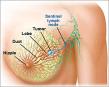 (HealthDay News) -- The mammogram is changing for the better.
New computer-driven technologies should make the yearly exam more accurate and easier on patients than ever before, experts say.
High-tech computer-based digital mammography is already available at about 10 percent of diagnostic centers in the country and growing steadily at a rate of about 4 percent a month, said Priscilla F. Butler, senior director of the American College of Radiology Breast Imaging Accreditation Programs.
While filmless mammography doesn't feel any different to women while they are being screened, doctors are discovering that there are benefits for particular patients.
A study of more than 40,000 women published last fall found that compared with standard mammograms, computer-based digital "pictures" were more beneficial for more than half the women.
The findings of that study, the American College of Radiology Imaging Network Digital Mammographic Imaging Screening Trial, were that younger women with dense breast tissue, those under 50 and those who are premenopausal, would benefit most from digital mammograms. The range was so large that some doctors have since concluded that dense breast tissue in all groups is better seen with the help of a computer.
"In other situations, it is probably no different [to film]," said Dr. Carl D'Orsi, co-chairman of the American College of Radiology Breast Imaging Commission and professor of radiology and director of the Breast Imaging Center at Emory University in Atlanta.
Other technologies are on the horizon.
In late November, researchers presenting at the Radiological Society of North America's annual meeting, in Chicago, created buzz by announcing data on a new technology called Cone Beam Breast Computed Tomography (CBBCT). According to experts, CBBCT promises to equal or surpass mammography in detecting breast cancer, and it does so without squeezing the breast in a vice.
The CBBCT scanner takes a number of pictures of the breast from various angles then merges them into one three-dimensional image. The system was developed by a professor at the University of Rochester, which holds several patents on the technology. The university licensed the technology to Koning Corp. to make, use and sell the scanners. The National Cancer Institute, along with private investors, helped fund the development of the scanner.
This pilot study used the CBBCT scanner to image 20 volunteers who had had normal mammograms, as well as a group of women who had had abnormalities detected during a physical exam or who had had suspicious mammograms. The goal of the study was simply to see how well the CBBCT could image the breast.
The CBBCT proved itself at least as good as conventional mammogram in imaging the breast, the study's authors concluded.
The system also has the advantage of being more comfortable. The woman lies on her stomach on a cushioned exam table with a cutout in the middle. She suspends her breasts one at a time through the cutout while the CBBCT takes 300 images in the space of about 10 seconds.
The radiation dose is comparable to that of mammography. Unlike conventional mammography, the CBBCT system clearly displays tissue around the ribs and outer breast near the armpits.
The pilot study will continue until 60 participants have been imaged. A larger trial is planned for next year.
Koning Corp. hopes to have a commercial scanner on the market as soon as the U.S. Food and Drug Administration approves the device. But other technologies may be further along, said Dr. Joshua Kalowitz, chief of breast imaging at Maimonides Cancer Center in New York City.
"There's a lot of new stuff on the horizon," he said. "Five years from now, we'll be in a lot better shape, but right now, we have to see which ones will end up being the best."
Computerized mammography does have its drawbacks -- at least for now. D'Orsi said there are so many options for setting up and reading the computer images that doctors are somewhat slower at determining their results.
"You have the ability to manipulate the image, invert it, adjust the brightness, which you can't do with film, so it may take longer," he said. "There's a learning curve to it because it's new, but you get faster and faster."
He's excited by the technology, which will soon make it possible to "see" tissue in ways that film and the naked eye cannot.
"We can invent novel new technologies," he said, among them a three-dimensional approach that will improve cancer detection. Already in the works are what he calls a "computerized method of peeling layers of breast away electronically," so that irregularities can be pinpointed more exactly.
And, as doctors and hospitals adapt to electronic patient charts, digital mammography will play an important role, said Butler. "Mammography was one of the last holdouts in going to a filmless environment, which is much more efficient," she said. "All of medicine is pretty excited about it."
But D'Orsi cautions that the most important thing is not the technology itself, but the person reading the results.
And, the National Cancer Institute warns women not to wait for the new technology. The guidelines in place for several years still apply:
- Women in their 40s should have mammograms every one to two years.
- Women 50 and older should be screened every one to two years.
- Women who are at higher than average risk of breast cancer should seek expert medical advice about whether they should begin screening before age 40 and the frequency of screening.
More information
For more on digital mammography, visit the National Cancer Institute.
Wednesday, December 20, 2006
The Most Powerful and Advanced Ionizers - So much More than Clean Water ...
 Last year there were more Jupiter Melody ionizers sold in the USA than by all other retail models by all other companies combined!
With a great value price, super reliability, new Biostone filter, fully automated features, 9 levels of pH, strongest ORP and two year warranty, the Melody has been the preferred choice for the USA and for such authorities as Sang Whang (author of Reverse Aging) and Dr Robert Young (author of The pH Miracle).
Although now on the market for about two years, no other company has yet produced a model like the Melody, that always gives alkaline water - even when it cleans.
No other model offers a Biostone filter as fine as .01M and no other model is as yet as reliable or powerful.
That is, no other model until Jupiter released the best of the best for those who want clean water AND the ultimate healthy water.
So what makes these latest models, the Aquarius and Orion, even more user friendly and advanced than the Melody?
The new improvements are:
Design: Until now, all ionizers had a certain Asian sameness in their design. The Aquarius and Orion/ Alphion, while identical on the inside, present to you a choice of two distinctive Westernized exteriors.
The Orion with its sleek curves and stainless steel look is an easy match for those liking understated eloquence. The Aquarius with its flat front panel, displays a subtle mix of dark crimson tones, that brings out a pleasing warmth to any kitchen.
Consistency
In the USA the water supply can vary a lot from state to state. Because of this difference in source water, different ionizers at the same alkaline settings will produce different alkaline levels. Now in the new Jupiter Aquarius and Orion there is a patented SOL valve and triple diaphragms that adjusts the water flow automatically. This means that you now get the correct pH level no matter what your input water is, or if there is a change in your water pressure or flow rate.
Durability
These new units include the patented DARC (double action reverse cleaning) system. This feature completely removes any scale from the electronic cell helping to make sure your ionizer stays in top working condition.
*** NOTE - If you are using well water, a water distiller or a Reverse Osmosis machine please contact us first so we can help you remineralize or clean your water before it enters your Jupiter ionizer.
Company Background
Jupiter Science has been making water ionizers since 1982 and before that were making medical equipment. Their research department is constantly at work looking at how to improve performance without having to increase power consumption or take up extra room with a bulky ionizing chamber.
As the leading manufacturer of quality water ionizers, Jupiter has an ISO9001 certified production plant that can produce well over 100,000 ionizers a month (90% of all water ionizers).
All Jupiter's ionization chambers are made in their Japanese factory where 21 Engineers with Doctorates continue to research and improve on design, functionality and durability. It is Jupiter models that continue to be the choice brand for such large companies as Huyundai, Samsung, LG and Toyo. Jupiter also sells more units in the USA than all the other water ionizer companies combined.
You can have confidence that Jupiter's quality control, advanced research and great pricing will make your ionizer purchase a happy and trouble-free experience.
Performance
In their latest models are five of the most advanced platinum-titanium electrodes in the world. When a cross section of an electrode is examined at 700 times magnification, you can see that the electrodes are now covered in a super fine mesh with very distinct points and valleys.
This greatly increases the surface area without having to increase the size. We guarantee that no other models, regardless of price, will produce, under similar conditions, such a high and low pH or ORP (Oxygen reduction Potential).
Ease of Use
The easy to read digital indicator tells you the remaining water filter life. Optimum performance is ensured by always changing your filter on time. In addition to the digital counter, a new indicator light will flicker when your current filter life is up, reminding you to change your filter.
Your new ionizer also has an attractive colored LCD display that easily identifies your selections. Easy to understand symbols and colors identify the type and level of water you have selected.
MICOM Technology
The MICOM control system optimizes the pH and ORP of your water and helps keeps your ionizer in top working condition. A new indicator light alerts you if service is needed on your ionizer.
3 Year Warranty: With a record low return rate on existing models, Jupiter and IonLife offer with confidence a full three year warranty on the Aquarius and Orion/ Alphion. Offering a three year warranty is another world first for Jupiter Science.
Similar to the Melody, The Aquarius and Orion also include:
A top quality, 9 step, single-body multi-stage filter. Premium filter materials ensure production of healthier and cleaner water, trapping a wide variety of contaminants while allowing beneficial minerals to pass through. These filters contain NSF carbon from the UK, Natural mineral calcium from Japan and KDFA certified Biostone ceramics from Korea.
A voice indicator that alerts you to your selection of alkaline, acidic or purified water. You can adjust the volume level or simply switch the sound ON/OFF as you desire.
9 settings of pH with easy convenience of one-touch operation.
Enhanced convenience in filter replacement - the spring-loaded filter housing makes it a snap to replace your filter.
Choice of three repair depots in the USA. We guarantee caring, ongoing support and prompt service.
Jupiter Science
Aquarius and Orion/Alphion
Energized, healthy water as close as your kitchen sink!
To order your Aquarius or Orion/Alphion go to: http://www.phmiracleliving.com/jupiter.htm
ph Miracle Center
Monday, November 20, 2006
Feeling Stressed?
 (HealthDay News) -- You just missed a deadline at work, you're supposed to chaperone your son's school field trip, and your mechanic called to tell you your car's transmission is shot.
Stressed to the max?
Everyone experiences stress. And many people are stressed every day. But, stress isn't always as obvious as in the example above. In fact, some people don't even realize how much stress they're under until they suffer serious physical consequences of that stress.
Psychologist Anie Kalayjian, professor of psychology at Fordham University, said she's had patients end up in the emergency room, convinced they were having a heart attack, but instead, it was just the body's extreme response to stress.
"If you're a person running around with high energy or nervous energy, you may not realize that you're stressed until you collapse!" said Kalayjian.
According to the American Academy of Family Physicians, some possible signs that you're under too much stress are: Anxiety, back pain, stiff neck, depression, fatigue, trouble sleeping, unexpected weight changes, headaches, relationship troubles and high blood pressure.
"People need to start proactively trying to prevent episodes before they have extreme reactions," recommended Kalayjian.
But that doesn't mean you should make managing stress just another item on your "to-do" list, cautioned Gail Elliott Evo, the integrative medicine coordinator at Beaumont Hospital in Royal Oak, Mich.
"We talk so much about stress now. It's to the point that people are now feeling judgmental when they experience stress and can't eliminate it. But, unless you're a guru sitting in a temple in Tibet, I don't think you can avoid stress. There will be periods where you'll have stress," she said.
Still, managing stress or reducing it as much as you can is a smart idea, because constant stress leaves your body flooded with stress hormones, which can increase your risk of heart attack and other serious health problems.
"Stress causes physical and psychological reactions. It can alter your sleep. It leaves you constantly in fighting-mode and leaves your immune system suppressed. You may get sick a lot," Kalayjian said.
There's no one-size-fits-all approach when it comes to managing stress.
"Some things will be right for one person but not for another. Be open, and try things. Give something a try, and if it's not right for you, move on to something else. You'll eventually find something that's right for you," said Evo.
Some of the approaches she recommends include: Massage, healing touch, yoga, tai chi, walking, meditation and guided imagery.
Kalayjian said a good place to start de-stressing is with deep breathing.
"One minute per each hour of the day, you need to sit and do nothing but focus on breathing. No phones, no lists, no responsibilities. It's almost like how you recharge your battery for your mobile phone. We need to recharge, too," she said.
She also recommends exercise. "Don't wait to feel stressed. Get at least a half an hour of exercise every day. It gets a lot of the toxins and stress out of our bodies," Kalayjian said.
Kalayjian also advocates something she calls "journaling."
"It helps to put things on paper and outside of yourself. You don't have to store it in your heart, body or mind. When we journal, we let go of things and that acts as a release," she said.
She also suggests getting organized. "Many people waste 20 percent of their time looking for things. Try to be organized. Label things. Have organizers. It seems very mundane, but helps tremendously in saving your energy," Kalayjian said.
Evo said many people use a combination of techniques to relieve their stress.
"Be playful with it. Try different things," she said.
Kalayjian agreed, adding that people need to "learn how to have a sense of humor, to laugh and make others laugh, too."
Finally, Kalayjian advised that if you try several different methods to "de-stress" and just can't seem to relax, you could probably benefit from seeing a psychotherapist.
More information
The National Mental Health Association offers tips on coping with stress.
Saturday, September 23, 2006
Male Preemie Babies at Higher Risk for Hypertension As Adults
(HealthDay News) -- Male infants born prematurely are at increased risk of developing high blood pressure decades later, Swedish researchers report.
The reasons for this rise in risk are unclear; however, the researchers don't think it can be explained by family history or genetics. Rather, they believe environmental challenges linked to prematurity may explain an increased risk for high blood pressure later in adulthood.
"Preterm-born men have an increased risk of high blood pressure and the risk is inversely proportional to the degree of prematurity -- the more premature, the higher the risk," noted lead author Dr. Stefan Johansson, a neonatologist at Karolinska University Hospital in Stockholm.
The study only included male babies -- experts note that a similar study in females might turn up similar trends.
The report appears in the November 29 edition of Circulation: Journal of the American Heart Association.
In their study, Johansson's team collected blood pressure and birth data on nearly 330,000 Swedish men born between 1973 and 1981.
They found that, compared with males born full-term, males who were born extremely preterm -- less than 29 weeks -- have almost twice the risk of developing high systolic blood pressure in adulthood. Systolic pressure refers to the first number in a blood pressure reading.
In addition, those who were very preterm -- 29 to 32 weeks -- had a 45 percent increased risk of high systolic blood pressure, while those born moderately pre-term -- 33 to 36 weeks -- had a 24 percent higher risk.
"The risk associated with preterm birth is most probably not explained by familial factors," Johansson said. "Our study further supports the concept that diseases in adulthood are associated with very early exposures [to environmental challenges]," he added.
Johansson thinks more research is needed on why preterm birth is associated with this risk of high blood pressure and recommends intervention as early as possible. "I think that clinical follow-up programs of children born more than three months before term should include blood pressure checks during their visits," he advised.
Another expert pointed out that these findings were confined to males only.
"At the present time, the study cannot be extrapolated to women born preterm because only men were included in this study," said Dr. Nieca Goldberg M.D., chief, Cardiac Rehabilitation and Prevention Center, Lenox Hill Hospital, and assistant clinical professor, medicine, New York University School of Medicine, in New York City.
"Other studies should be done to see if this relationship can be applied to women and people of various racial and ethnic backgrounds," she said. "Work like this will help us to identify risk factors earlier in life and apply preventive strategies that will ultimately reduce risk of heart disease and stroke."
Another expert said the study may shed more light on the causes of high blood pressure.
"This is a very interesting study," said Dr. Roger S. Blumenthal, an associate professor of medicine and director of the Johns Hopkins Ciccarone Center for the Prevention of Heart Disease in Baltimore. "It shows that what happens to us when we are born can affect the development of high blood pressure 40 plus years later, which is quite fascinating. This may help to shed light on some of the other causes of high blood pressure."
Blumenthal adds that knowing this makes it even more important to make the lifestyle changes that help fight high blood pressure.
"People need to remember that the best way to prevent or control hypertension and type 2 diabetes is to exercise more and follow better dietary habits," he noted. "For now, that should be the focus of our efforts in America and elsewhere."
More information
The American Heart Association has more on high blood pressure.
The reasons for this rise in risk are unclear; however, the researchers don't think it can be explained by family history or genetics. Rather, they believe environmental challenges linked to prematurity may explain an increased risk for high blood pressure later in adulthood.
"Preterm-born men have an increased risk of high blood pressure and the risk is inversely proportional to the degree of prematurity -- the more premature, the higher the risk," noted lead author Dr. Stefan Johansson, a neonatologist at Karolinska University Hospital in Stockholm.
The study only included male babies -- experts note that a similar study in females might turn up similar trends.
The report appears in the November 29 edition of Circulation: Journal of the American Heart Association.
In their study, Johansson's team collected blood pressure and birth data on nearly 330,000 Swedish men born between 1973 and 1981.
They found that, compared with males born full-term, males who were born extremely preterm -- less than 29 weeks -- have almost twice the risk of developing high systolic blood pressure in adulthood. Systolic pressure refers to the first number in a blood pressure reading.
In addition, those who were very preterm -- 29 to 32 weeks -- had a 45 percent increased risk of high systolic blood pressure, while those born moderately pre-term -- 33 to 36 weeks -- had a 24 percent higher risk.
"The risk associated with preterm birth is most probably not explained by familial factors," Johansson said. "Our study further supports the concept that diseases in adulthood are associated with very early exposures [to environmental challenges]," he added.
Johansson thinks more research is needed on why preterm birth is associated with this risk of high blood pressure and recommends intervention as early as possible. "I think that clinical follow-up programs of children born more than three months before term should include blood pressure checks during their visits," he advised.
Another expert pointed out that these findings were confined to males only.
"At the present time, the study cannot be extrapolated to women born preterm because only men were included in this study," said Dr. Nieca Goldberg M.D., chief, Cardiac Rehabilitation and Prevention Center, Lenox Hill Hospital, and assistant clinical professor, medicine, New York University School of Medicine, in New York City.
"Other studies should be done to see if this relationship can be applied to women and people of various racial and ethnic backgrounds," she said. "Work like this will help us to identify risk factors earlier in life and apply preventive strategies that will ultimately reduce risk of heart disease and stroke."
Another expert said the study may shed more light on the causes of high blood pressure.
"This is a very interesting study," said Dr. Roger S. Blumenthal, an associate professor of medicine and director of the Johns Hopkins Ciccarone Center for the Prevention of Heart Disease in Baltimore. "It shows that what happens to us when we are born can affect the development of high blood pressure 40 plus years later, which is quite fascinating. This may help to shed light on some of the other causes of high blood pressure."
Blumenthal adds that knowing this makes it even more important to make the lifestyle changes that help fight high blood pressure.
"People need to remember that the best way to prevent or control hypertension and type 2 diabetes is to exercise more and follow better dietary habits," he noted. "For now, that should be the focus of our efforts in America and elsewhere."
More information
The American Heart Association has more on high blood pressure.
Friday, August 25, 2006
New Water Science Breakthrough: Did You Miss This 2003 Nobel Prize Winning Discovery? Learn How This Affects Your Hydration and Health…
By Joshua Parker
August 4, 2006
Did you know that only one water molecule can be transported into an ion channel at a time?
If this is the case then why would it be beneficial to drink water which is structured to be in clusters of 5-10 water molecules per cluster?
Is water clustering simply a theory of water activation which is on its way out?
Water. We know that we need it for life but do we really understand its energetic nature?
Water is a polar molecule, meaning one side is more electrostatically charged-the other, more negative. A liquid by common definition consists of molecules in constant motion.
Combining just these two properties - constant motion and the polarity which brings about alternate attraction and repulsion - we have a extremely complex medium, much more complex than any mainstream textbook has ever described!
“So what does this mean for you?”
We are facing a global water crisis in the near future due to our lack of understanding of this complex and powerful substance but recent research into water’s amazing properties can help us maintain our health.In the early twentieth century, Viktor Schauberger studied water and the Earth’s natural processes and predicted most of the problems which we now face with our natural resources, especially water. He was very vocal against what he considered to be the devastation of the once vital great rivers of the world by conventional river engineers and hydrologists who lacked his understanding of water’s natural process.
Schauberger characterized water as a “living” substance and considered it the blood of Mother Earth. One unique characteristic of water is its temperature anomaly point. Schauberger found that water is densest at a temperature of +4 degrees centigrade (39.2 degrees Fahrenheit). All other fluids become consistently denser with cooling until the freezing point-except water.
A more recent discovery about water with significant impact for the future of your health led to a Nobel Prize in chemmistry in 2003.
I’ll explain this important recent discovery in a minute after we establish this historical foundation…
Schauberger introduced the concept of water “memory” and explained that water molecules are very sensitive to their surroundings.
Water is literally a liquid crystal that retains tonal frequencies in its structure similar to the way a magnetic tape records sound.
Nature maintains a high-frequency vitality in what Schauberger considered “ripe” spring water by creating meandering stream channels and always flowing in circular paths.
Municipal water on the other hand, is recycled many times through hundreds of miles of straight metal pipes under high pressures which are never present in nature. These conditions decrease water’s natural high-frequency memory or momentum. Slower spin on water molecules means easy proliferation of micro-organisms and makes water thicker or more viscous. Which type of water would you rather drink?
Most notable for you to understand is what led to a Nobel Prize in Chemistry in 2003. A type of protein was discovered which is essentially the delivery mechanism carrying water molecules into and out of your cells.In the research that lead to Dr. Peter Agre’s Nobel Prize, it was discovered that the primary mechanism for transporting water into cells utilizes a group of proteins now called Aquaporins. There are many different types of Aquaporins, serving to selectively allow water molecules into the cells while simultaneously preventing “junk” from entering the cells.
These vitally important water channel molecules are now understood to be responsible for 10 times more hydration of your cells than other mechanisms that your cells use to hydrate.
What should we really be looking for in water now that this discovery of the Aquaporin proteins has been brought to light?
To answer this question it’s necessary to dig deeper into just what Dr. Agre and his colleagues have figured out…Aquaporins form a thick molecule that is shaped like an hourglass which spans from outside the cell all the way inside. Only one molecule of water can fit through at a time…
The electrical fields of the aquaporin water channel force your water to form a single file line of water molecules to enter your cells. (Remember that “polarity” I mentioned? That’s what the Aquaporin exploits to make the water line up.)
This field even forces the water molecules to enter the channel with the oxygen molecule facing down and leave the channel with the oxygen molecule facing up!
These water channels have been identified for water transport in kidney, red blood cells, gastro-intestinal tract, sweat gland, and lung cells. Disruption of aquaporin gene function has been associated with a number of human diseases.
To understand how this technology will affect your health the first thing for you to understand is what factors most affect water movement. The most important factor for kidney function as well as other cellular hydration seems to be the specific gravity of your water.Specific gravity is a measure of the density of a substance compared to that of pure water. You’d think there wouldn’t be much to evaluate here – water vs. “pure water” but in actuality there is a big difference. Drinking water that has a specific gravity very close to 1.000 may be a vital key to better hydration. Research suggests that water must be below a specific gravity of 1.009 to hydrate the cells effectively.
Recent preliminary testing on a new water technology that is easy to use and very low cost has been shown to change the specific gravity of tap water from 1.023 to 1.003. This same technology was evaluated to change purified water from 1.011 to 1.002.The impact this will have on your life and health is profound, as water molecules with ideal specific gravity are shown to move through cells more fluidly. Relating this to the new knowledge of how Aquaporins help channel water, we now have amazing tools to maximize the purity and energetic nature of the water we put into our bodies every day.
Now that you know what the Nobel committee deemed worthy of the most prestigious prize in Science, take a moment to let me know what sort of questions come up in your head about them.
Post your questions and comments here on this page so I can easily see them and respond to them. You will get responses from me and other experts in this field by posting here.
August 4, 2006
Did you know that only one water molecule can be transported into an ion channel at a time?
If this is the case then why would it be beneficial to drink water which is structured to be in clusters of 5-10 water molecules per cluster?
Is water clustering simply a theory of water activation which is on its way out?
Water. We know that we need it for life but do we really understand its energetic nature?
Water is a polar molecule, meaning one side is more electrostatically charged-the other, more negative. A liquid by common definition consists of molecules in constant motion.
Combining just these two properties - constant motion and the polarity which brings about alternate attraction and repulsion - we have a extremely complex medium, much more complex than any mainstream textbook has ever described!
“So what does this mean for you?”
We are facing a global water crisis in the near future due to our lack of understanding of this complex and powerful substance but recent research into water’s amazing properties can help us maintain our health.In the early twentieth century, Viktor Schauberger studied water and the Earth’s natural processes and predicted most of the problems which we now face with our natural resources, especially water. He was very vocal against what he considered to be the devastation of the once vital great rivers of the world by conventional river engineers and hydrologists who lacked his understanding of water’s natural process.
Schauberger characterized water as a “living” substance and considered it the blood of Mother Earth. One unique characteristic of water is its temperature anomaly point. Schauberger found that water is densest at a temperature of +4 degrees centigrade (39.2 degrees Fahrenheit). All other fluids become consistently denser with cooling until the freezing point-except water.
A more recent discovery about water with significant impact for the future of your health led to a Nobel Prize in chemmistry in 2003.
I’ll explain this important recent discovery in a minute after we establish this historical foundation…
Schauberger introduced the concept of water “memory” and explained that water molecules are very sensitive to their surroundings.
Water is literally a liquid crystal that retains tonal frequencies in its structure similar to the way a magnetic tape records sound.
Nature maintains a high-frequency vitality in what Schauberger considered “ripe” spring water by creating meandering stream channels and always flowing in circular paths.
Municipal water on the other hand, is recycled many times through hundreds of miles of straight metal pipes under high pressures which are never present in nature. These conditions decrease water’s natural high-frequency memory or momentum. Slower spin on water molecules means easy proliferation of micro-organisms and makes water thicker or more viscous. Which type of water would you rather drink?
Most notable for you to understand is what led to a Nobel Prize in Chemistry in 2003. A type of protein was discovered which is essentially the delivery mechanism carrying water molecules into and out of your cells.In the research that lead to Dr. Peter Agre’s Nobel Prize, it was discovered that the primary mechanism for transporting water into cells utilizes a group of proteins now called Aquaporins. There are many different types of Aquaporins, serving to selectively allow water molecules into the cells while simultaneously preventing “junk” from entering the cells.
These vitally important water channel molecules are now understood to be responsible for 10 times more hydration of your cells than other mechanisms that your cells use to hydrate.
What should we really be looking for in water now that this discovery of the Aquaporin proteins has been brought to light?
To answer this question it’s necessary to dig deeper into just what Dr. Agre and his colleagues have figured out…Aquaporins form a thick molecule that is shaped like an hourglass which spans from outside the cell all the way inside. Only one molecule of water can fit through at a time…
The electrical fields of the aquaporin water channel force your water to form a single file line of water molecules to enter your cells. (Remember that “polarity” I mentioned? That’s what the Aquaporin exploits to make the water line up.)
This field even forces the water molecules to enter the channel with the oxygen molecule facing down and leave the channel with the oxygen molecule facing up!
These water channels have been identified for water transport in kidney, red blood cells, gastro-intestinal tract, sweat gland, and lung cells. Disruption of aquaporin gene function has been associated with a number of human diseases.
To understand how this technology will affect your health the first thing for you to understand is what factors most affect water movement. The most important factor for kidney function as well as other cellular hydration seems to be the specific gravity of your water.Specific gravity is a measure of the density of a substance compared to that of pure water. You’d think there wouldn’t be much to evaluate here – water vs. “pure water” but in actuality there is a big difference. Drinking water that has a specific gravity very close to 1.000 may be a vital key to better hydration. Research suggests that water must be below a specific gravity of 1.009 to hydrate the cells effectively.
Recent preliminary testing on a new water technology that is easy to use and very low cost has been shown to change the specific gravity of tap water from 1.023 to 1.003. This same technology was evaluated to change purified water from 1.011 to 1.002.The impact this will have on your life and health is profound, as water molecules with ideal specific gravity are shown to move through cells more fluidly. Relating this to the new knowledge of how Aquaporins help channel water, we now have amazing tools to maximize the purity and energetic nature of the water we put into our bodies every day.
Now that you know what the Nobel committee deemed worthy of the most prestigious prize in Science, take a moment to let me know what sort of questions come up in your head about them.
Post your questions and comments here on this page so I can easily see them and respond to them. You will get responses from me and other experts in this field by posting here.
Friday, July 28, 2006
Preparing measures:
1-3 weeks before the cleaning daily a dandelion on casting take:2 Teaspoon cut up dry dandelion root stick or dandelion sheets with 1 glass cold water to pour over and stand leave 8 hours. Subsequently, the tea is cooked 5-8 minutes and filtered by a filter. Drink mouthful like in the course of the daily.3 days before the cleaning as vegan a nutrition as possible.
The liver cleaning:
They need:4 Spoon epsom salt125 ml olive oil 2 blows grapefruit (you at least 170 needs ml juice.) Often still Ornitin or arginin are recommended. This is not necessary after our experience for success.
The preparing measures described above, which are frequently neglected, are many more important.Accomplish the cleaning best on weekend, so that you can recover on the next day. Execution is most effective with removing moon. Do not take Vitamin or medicines, which do not need you necessarily, in order not to endanger the success of the cure.
To 14,00 o'clock:
Eat fat and protein-free breakfast and lunch (fruit and vegetable; no Dressing etc.). Best you drink only a mixture from carrot, red patch and apple juice.
Starting from 14:00 clock:
Meals and drink you now nothing more (water is permitted).
Around 18:00 clock:
Drink 200 ml water with 1 Spoon epsom salt. (You can the water also before coldly place, thus it more easily drink leave yourselves.)
Around 20:00 clock:
Drink again 200 ml water with 1 Spoon epsom salt.
Around 21:45 clock:
Make your selves finished for the bed. Go also again on toilet.
Around 22:00 clock:
Mix the olive oil with the grapefruit juice well (Shaker). This goes only with freshly pressed juice. Drink the mixture now briskly in standing beside the bed and lie down then immediately! If you do not do this, possibly separate fewer stones, because the liver works much better in lying. Put flat on the back, which head increases somewhat. Additionally you put a hot-water bottle on the liver. Remain so at least 20 minute on the back lying, because the stones separate now. Possibly you feel, how the stones in the liver move. Try to then sleep; also this is important for success.
In the morning:
Drink again 200 ml water with 1 Spoon epsom salt. If you have a stomach detuning, wait to them faded away. Do not drink the solution however before 6 o'clock. They may put now also again to bed. If you have already failure, you can do without the two incomes in the morning.
2 hours later:
Drink for the last time 200 ml water with 1 Spoon epsom salt. After further 2 hours you may begin again slowly to eat. Begin with fruit and light meals.
Examine success:
In the morning you have probably failure. Look in the chair in the toilet for green stones, since they are the proof for it that it concerns Gallstones and not around digesting remainders. Only Galle from the liver is pea green. The chair sinks downward, while the Gallstones swims because of their Cholesterols. Count the brown and the green stones roughly. They should separate altogether several hundred stones, before the liver is well cleaned. For this often 5 cleaning are necessary.
The Gallbladder ways of full Cholesterol crystals, which did not form themselves to round stones, is occasional. They appear as brownish “chaff”, which swims in the toilet on the surface. The elimination of this chaff is just as important as the cleaning of stones.
The cleaning sounds than it is many more complex. Give to your body a chance and judge you then. It will be worthwhile itself for you!!! For individual questions and problems at the time of the execution of the individual points you speak the forum please with your therapist or use you. Please you consider also the non-liability.
The liver cleaning:
They need:4 Spoon epsom salt125 ml olive oil 2 blows grapefruit (you at least 170 needs ml juice.) Often still Ornitin or arginin are recommended. This is not necessary after our experience for success.
The preparing measures described above, which are frequently neglected, are many more important.Accomplish the cleaning best on weekend, so that you can recover on the next day. Execution is most effective with removing moon. Do not take Vitamin or medicines, which do not need you necessarily, in order not to endanger the success of the cure.
To 14,00 o'clock:
Eat fat and protein-free breakfast and lunch (fruit and vegetable; no Dressing etc.). Best you drink only a mixture from carrot, red patch and apple juice.
Starting from 14:00 clock:
Meals and drink you now nothing more (water is permitted).
Around 18:00 clock:
Drink 200 ml water with 1 Spoon epsom salt. (You can the water also before coldly place, thus it more easily drink leave yourselves.)
Around 20:00 clock:
Drink again 200 ml water with 1 Spoon epsom salt.
Around 21:45 clock:
Make your selves finished for the bed. Go also again on toilet.
Around 22:00 clock:
Mix the olive oil with the grapefruit juice well (Shaker). This goes only with freshly pressed juice. Drink the mixture now briskly in standing beside the bed and lie down then immediately! If you do not do this, possibly separate fewer stones, because the liver works much better in lying. Put flat on the back, which head increases somewhat. Additionally you put a hot-water bottle on the liver. Remain so at least 20 minute on the back lying, because the stones separate now. Possibly you feel, how the stones in the liver move. Try to then sleep; also this is important for success.
In the morning:
Drink again 200 ml water with 1 Spoon epsom salt. If you have a stomach detuning, wait to them faded away. Do not drink the solution however before 6 o'clock. They may put now also again to bed. If you have already failure, you can do without the two incomes in the morning.
2 hours later:
Drink for the last time 200 ml water with 1 Spoon epsom salt. After further 2 hours you may begin again slowly to eat. Begin with fruit and light meals.
Examine success:
In the morning you have probably failure. Look in the chair in the toilet for green stones, since they are the proof for it that it concerns Gallstones and not around digesting remainders. Only Galle from the liver is pea green. The chair sinks downward, while the Gallstones swims because of their Cholesterols. Count the brown and the green stones roughly. They should separate altogether several hundred stones, before the liver is well cleaned. For this often 5 cleaning are necessary.
The Gallbladder ways of full Cholesterol crystals, which did not form themselves to round stones, is occasional. They appear as brownish “chaff”, which swims in the toilet on the surface. The elimination of this chaff is just as important as the cleaning of stones.
The cleaning sounds than it is many more complex. Give to your body a chance and judge you then. It will be worthwhile itself for you!!! For individual questions and problems at the time of the execution of the individual points you speak the forum please with your therapist or use you. Please you consider also the non-liability.
Tuesday, July 25, 2006
Vitamin users in last-ditch bid to stop ban on supplements
By Geoffrey Lean and Steve Bloomfield 23 January 2005 Consumers and producers of popular vitamin and mineral supplements used by thousands every day will this week make a last-ditch attempt to prevent a European Union directive from banning them. Campaigners claim products from well-known brands including Holland and Barrett, Solgar and Viridian will be removed from the shelves unless they are reformulated.
The campaign against the directive has enlisted the help of a number of high-profile supporters, including Cherie Blair's former lifestyle adviser Carole Caplin and the actress Jenny Seagrove. Dame Judi Dench and Bianca Jagger are also backing the campaign. A third of women and a quarter of men take health food supplements in the UK and the market is thought to be worth at least £350m a year.
The EU directive lists only 28 vitamins and minerals, and 112 sources from which they were derived for use in food supplements, which can be sold legally after it comes into force on 1 August. It would threaten up to 5,000 products, containing more than 200 nutrients, which campaigners claim have been used safely in specialist supplements for many years. Some large chains, such as Boots, have already reformulated their products to meet the new EU rules and say their customers will see no difference when the directive comes into force.
Also, manufacturers who submit detailed scientific dossiers by July this year that prove their ingredients are safe will still be allowed to sell their products. Campaigners say the cost on suppliers could force smaller firms into bankruptcy. Few of the small health food companies can manage the expense - up to £250,000 for each ingredient - and only a handful of safety dossiers are being prepared. Consumers for Health Choice, who have been leading the campaign against the directive, said that products under threat include Solgar Prenatal Nutrients, which contain nutrient sources not on the EU's list, and Holland and Barrett's ABC Plus, which has a high dose of vitamin C.
A court case brought by the National Association of Health Stores and the British Health Foods Manufacturers Association will argue on Tuesday that Brussels is exceeding its powers by imposing a blanket ban. It is being contested by the EU's institutions and by the governments of Greece and Portugal as well as Britain. On the same day, the Conservatives, who say the measure will outlaw virtually every popular multi-vitamin pill sold in the country, will call in the Commons for the ban to be scrapped.
Ministers are concerned that growing public opposition to the ban will affect the referendum on the European Constitution, due after the general election. Peter Hain, the Leader of the House of Commons, has called it "unnecessary interference" by Brussels, and other ministers have privately expressed sympathy with the protesters. But the Government is still pressing ahead with the ban, and will defend it in the European Court case. Some reports suggest that some products could cause problems in high doses, but a major body of research demonstrates that deficiencies in minerals and vitamins, levels of which are falling in modern diets, can cause heart disease, osteoporosis, cancer and other conditions.
A recent study published by the American Medical Association shows that taking some mineral and vitamin pills reduces the risk of contracting cancer and cardiovascular disease, and protects foetuses. The ban, the first of a series of EU measures designed to outlaw a range of alternative medicines, is contained in the Food Supplements Directive, passed in 2002 to harmonize the trade in supplements between EU member states and after lobbying from the pharmaceutical industry. Sue Croft, a spokeswoman for Consumers for Health Choice, said: "If this directive comes into force it will affect the lives of millions. T
o have these supplements removed and to put more strain on the NHS is nothing short of a crime. At the election we will be targeting those MPs who do not vote to stop this." A spokeswoman for Boots, however, which has a third of the vitamin supplement market, said the company had been gradually reducing the level of vitamins and minerals in own-brand supplements in line with new safety levels. "Consumers won't see a huge change," a spokeswoman said. "We fully support this EU directive."
The campaign against the directive has enlisted the help of a number of high-profile supporters, including Cherie Blair's former lifestyle adviser Carole Caplin and the actress Jenny Seagrove. Dame Judi Dench and Bianca Jagger are also backing the campaign. A third of women and a quarter of men take health food supplements in the UK and the market is thought to be worth at least £350m a year.
The EU directive lists only 28 vitamins and minerals, and 112 sources from which they were derived for use in food supplements, which can be sold legally after it comes into force on 1 August. It would threaten up to 5,000 products, containing more than 200 nutrients, which campaigners claim have been used safely in specialist supplements for many years. Some large chains, such as Boots, have already reformulated their products to meet the new EU rules and say their customers will see no difference when the directive comes into force.
Also, manufacturers who submit detailed scientific dossiers by July this year that prove their ingredients are safe will still be allowed to sell their products. Campaigners say the cost on suppliers could force smaller firms into bankruptcy. Few of the small health food companies can manage the expense - up to £250,000 for each ingredient - and only a handful of safety dossiers are being prepared. Consumers for Health Choice, who have been leading the campaign against the directive, said that products under threat include Solgar Prenatal Nutrients, which contain nutrient sources not on the EU's list, and Holland and Barrett's ABC Plus, which has a high dose of vitamin C.
A court case brought by the National Association of Health Stores and the British Health Foods Manufacturers Association will argue on Tuesday that Brussels is exceeding its powers by imposing a blanket ban. It is being contested by the EU's institutions and by the governments of Greece and Portugal as well as Britain. On the same day, the Conservatives, who say the measure will outlaw virtually every popular multi-vitamin pill sold in the country, will call in the Commons for the ban to be scrapped.
Ministers are concerned that growing public opposition to the ban will affect the referendum on the European Constitution, due after the general election. Peter Hain, the Leader of the House of Commons, has called it "unnecessary interference" by Brussels, and other ministers have privately expressed sympathy with the protesters. But the Government is still pressing ahead with the ban, and will defend it in the European Court case. Some reports suggest that some products could cause problems in high doses, but a major body of research demonstrates that deficiencies in minerals and vitamins, levels of which are falling in modern diets, can cause heart disease, osteoporosis, cancer and other conditions.
A recent study published by the American Medical Association shows that taking some mineral and vitamin pills reduces the risk of contracting cancer and cardiovascular disease, and protects foetuses. The ban, the first of a series of EU measures designed to outlaw a range of alternative medicines, is contained in the Food Supplements Directive, passed in 2002 to harmonize the trade in supplements between EU member states and after lobbying from the pharmaceutical industry. Sue Croft, a spokeswoman for Consumers for Health Choice, said: "If this directive comes into force it will affect the lives of millions. T
o have these supplements removed and to put more strain on the NHS is nothing short of a crime. At the election we will be targeting those MPs who do not vote to stop this." A spokeswoman for Boots, however, which has a third of the vitamin supplement market, said the company had been gradually reducing the level of vitamins and minerals in own-brand supplements in line with new safety levels. "Consumers won't see a huge change," a spokeswoman said. "We fully support this EU directive."
Subscribe to:
Posts (Atom)
Paratrex® $32.95  Get Paratrex® and promote a natural cleansing of your system. Paratrex® helps create an environment hostile to invading organisms. Help flush your system clean! |
Advanced Body Cleansing Kit $147.75 Advanced Body Cleansing Kit with Livatrex™, Oxy-Powder®, Latero-Flora™ and two bottles of ParaTrex®. |