ParaTrex 728x90 Animated 90% could you be one
Showing posts with label Arthritis. Show all posts

Tuesday, February 17, 2009

Health Tip: When Arthritis Affects the Hands

(HealthDay News) -- Arthritis in the hands can make it difficult to perform everyday tasks. While the condition can be managed with proper medical care, first you must recognize its common warning signs.

The American Academy of Orthopaedic Surgeons offers this list:
  • Dull or burning pain in the fingers and hands, especially after you've been holding tightly to an object for an extended period.
  • Swelling and warmth in and around the joints.
  • A feeling of being able to move the joints less easily.
  • A feeling that the joints in your hand are grinding together.
  • A feeling that your joints are loose, or not as stable as they once were.
  • Cysts, or small bumps that appear around the joints of the fingers.
Body Cleanse Starter Kit

Thursday, July 31, 2008

Herbal Detox Formulas

If you follow the lifestyle of the majority of the population in the United States bad diet, little exercise, stressful lifestyle–you have a 50 percent chance of contracting a major disease such as cancer, arthritis, arteriosclerosis, heart disease, diabetes, or AIDS. It’s crucial to learn how to detoxify remove all the toxins that have accumulated in your body and let your fluids and tissues regenerate. Continue Reading >>

Sunday, November 25, 2007

Back Pain Prevention Should Start With a Plan

(HealthDay News) -- A 10-step plan to help you reduce body stress and prevent back pain, especially during the demanding holiday season, is outlined by the U.S. National Athletic Trainers' Association.

"The human body is an incredible machine that adapts to the stresses we give it every day. Stresses such as poor posture, unusual movement or activities, or even a sedentary lifestyle can lead to poor mechanics and pain. Disability from back pain is second only to the common cold as a cause of lost work time," certified athletic trainer Darrell Barnes of the St. Vincent Sports Performance Center in Indianapolis, Ind., said in a prepared statement.

Back pain affects 80 percent of adults at some point in their lives, according to the Arthritis Foundation. Each year, Americans pay about $24 billion for treatment of back pain, limited mobility and stiffness.

Here are 10 things you can do to prevent and reduce back pain:
  • Identify and correct body stresses such as poor posture, improper lifting techniques, or weak or tight muscles. Strengthen your back, learn proper lifting methods, carry lighter loads, and use luggage carts for heavy packages and suitcases.
  • Increase your muscle mobility by stretching or doing activities -- such as yoga, tai chi, swimming or pilates -- that help keep you limber.
  • Boost your strength by doing exercises that involve the whole body, especially the core muscles of the stomach, back, hips and pelvis. In addition, strengthening your legs and shoulders can help improve your ability to squat, lift and carry items without overworking or injuring your back.
  • Do aerobic exercise, like walking, swimming and running, for at least 20 minutes three times a week. This kind of exercise increases muscular endurance and cardiovascular fitness, improves blood flow to the spine, and helps reduce stress.
  • Practice good posture. If possible, don't sit for long periods of time. Get up every 15 to 30 minutes and move around or stretch. When you're seated, keep your hips and knees at right angles to one another and use a chair with adequate lumbar (lower back) support.
  • When standing, keep your head up, shoulders straight, chest forward and stomach tight.
  • Don't stand in the same position for too long. Use your legs, not your back, when pushing or pulling heavy items.
  • Use proper lifting techniques. When lifting objects from a position below your waist, stand with a wide stance and a slight bend at your hips and knees. Tighten your stomach as you lift and keep your back as flat as possible -- don't arch or bend it. When carrying heavy items, keep them as close as possible to your body. Don't carry items on only one side of your body.
  • Sleep on a firm mattress and box spring that doesn't sag. Sleep in a position that allows you to maintain the natural curve in your back.
  • Warm up before exercise or sports. Increasing muscle temperature and mobility beforehand will reduce the risk of injury.
  • Maintain/adopt a healthy lifestyle. Obesity and smoking increase the incidence of back pain.

More information
The U.S. National Institutes of Health offers back pain prevention advice.

more discussion: Forum
· Addiction Forum · Ask the Doctors Forum · Ayurveda Forum · Ayurvedic & Thai Herbs Forum · Colon Cleansing Forum · Dental Forum · Diabetes Forum · Diet Forum · General Cleansing Forum · Hepatitis A, B. C Forum · Integrated Medicine Forum · Live Blood Analysis Forum · Ozone-Oxygen-Forum · pH - Alkaline - Acidity Forum · Weight Loss Forum

Monday, November 12, 2007

New Test Criteria Spots Rheumatoid Arthritis Sooner

(HealthDay News) -- More patients with early rheumatoid arthritis could be identified and enrolled in clinical studies if the process of diagnosis included one new type of assessment and excluded two traditional assessments, according to a new study.

Researchers looked at 292 people, average age 54, seen at the Arthritis Center of Brigham and Women's Hospital in Boston. The average duration of the patients' symptoms was four years.

Their findings showed that by including anti-CCP (cyclic citrullinated peptide) testing and excluding rheumatoid nodules and radiographic changes, the number of patients correctly classified as having rheumatoid arthritis increased from 51 percent to 74 percent.

When this approach was used in patients who had rheumatoid arthritis symptoms for less than six months (when signs such as nodules and radiographic changes may not yet be apparent), the percentage of patients correctly classified as having rheumatoid arthritis increased from 25 percent to 63 percent.

The study was to be presented Saturday at the American College of Rheumatology (ACR) meeting in Boston.

"Anti-CCP testing is now widely used in clinical practice to aid in the diagnosis of rheumatoid arthritis but is not included in the current ACR criteria for the classification of rheumatoid arthritis. Additionally, rheumatoid arthritis therapies available today are able to slow or halt disease progression. It is important that new therapies are tested early in the disease course before significant damage has occurred," lead investigator Dr. Katherine P. Liao said in a prepared statement.

"The current criteria for rheumatoid arthritis diagnosis include elements that may not become apparent until later in the disease. Minor modifications in these criteria may allow us to correctly identify rheumatoid arthritis patients earlier, when intervention may be more effective," she added.

More information
The American Academy of Family Physicians has more about rheumatoid arthritis.

Oxy-Powder® Complete Cleansing System

Oxy-Powder® Complete Cleansing System

$147.75
[ learn more ]

Add to Cart

Complete Cleansing System with Livatrex™, Oxy-Powder®, Latero-Flora™, and two bottles of ParaTrex®.

Wednesday, October 31, 2007

Health Tip: Protect Your Joints

(HealthDay News) - Osteoarthritis, a disease of the joints, can be triggered by injury and overuse, by obesity, and by musculoskeletal problems.

Here are ways to help protect your joints, courtesy of the Arthritis Foundation:
  • As excess weight can cause stress and excess wear and tear on joints, keep your body at a healthy weight.
  • Get regular exercise to strengthen muscles that surround and protect the joints.
  • Practice good posture.
  • Be careful when lifting or carrying heavy objects.
  • Don't ignore pain. When something starts to hurt, stop activity or exercise to prevent strain or injury.
  • Don't stay in one position for too long. Try to move the body's joints and muscles regularly
  • Always wear protective equipment, including helmets and wrist pads, when appropriate.


Oxy-Powder® Complete Cleansing System

Oxy-Powder® Complete Cleansing System

$147.75
[ learn more ]

Add to Cart

Complete Cleansing System with Livatrex™, Oxy-Powder®, Latero-Flora™, and two bottles of ParaTrex®.

Sunday, September 30, 2007

Caffeine Plus Acetaminophen Toxic for Some

(HealthDay News) -- Very high doses of caffeine and acetaminophen (such as Tylenol), taken together, could lead to liver damage, researchers warn.

This combo produces a byproduct enzyme that's toxic to the organ, researchers from the University of Washington report.

This toxic twosome can occur not only by drinking caffeine while taking acetaminophen, the experts added, but also from large doses of painkillers that combine caffeine and acetaminophen. These painkillers are often used to treat migraines, menstrual discomfort and other conditions.

"Caffeine can interact with an enzyme that can form a toxic metabolite of acetaminophen in such a way that it increases the formation of that toxic metabolite," said lead researcher Sid Nelson, a professor of medicinal chemistry. "This can result in liver damage," he said.

In the study, Nelson's team tested the effects of acetaminophen and caffeine on E. coli bacteria.

These bacteria had been genetically engineered to mimic a human enzyme in the liver that detoxifies many prescription and nonprescription drugs, explained the authors in a report in the Oct. 15 issue of the journal Chemical Research in Toxicology.

Nelson noted that it takes large qualities of caffeine to produce this reaction.

"Normally people wouldn't be ingesting that amount of caffeine," he said. "It would take 10 times the amount of caffeine found in a couple of cups of coffee," Nelson said.

His team found that caffeine triples the amount of a toxin called N-acetyl-p-benzoquinone imine (NAPQI) produced by the enzyme as it breaks down acetaminophen.

This same toxin is also produced during an interaction between alcohol and acetaminophen that's also well known to damage the liver.

In prior studies, Nelson's team had found that high doses of caffeine boosted liver damage in rats that had already suffered acetaminophen-linked liver damage.

The bacteria used in the study were exposed to doses of acetaminophen and caffeine far higher than most people would be exposed to, Nelson noted. It's not clear at what point such a mixture becomes toxic, he said.

Some people may be more vulnerable to this toxic interaction than others, Nelson said. They might include people who take certain antiepileptic medications, such as carbamazepine and phenobarbital, and people who use the alternative remedy St. John's Wort.

These drugs increase levels of the enzyme that produces NAPQI and may produce even more when mixed with acetaminophen and caffeine together, Nelson speculated.

In addition, because alcohol can boost NAPQI production, people who drink a lot may be at increased risk for this toxic interaction, the researcher said. The risk is also increased for people who take drugs that combine acetaminophen and caffeine, used to treat migraines, arthritis and other conditions.

Still, for most people, there's no reason to panic, since the chances of caffeine and acetaminophen becoming a toxic mixture remains small, Nelson said.

"Almost all people don't need to worry about taking caffeine with acetaminophen," Nelson said. Exceptions might be, " those [people] taking high does of caffeine, high doses of acetaminophen, who are possibly alcoholic and/or are epileptic and take certain anticonvulsive drugs," he said.

More information
For more on acetaminophen, visit the U.S. National Library of Medicine.

Sunday, September 16, 2007

Don't Ignore Tough or Long-Term Stomach Pain

(HealthDay News) -- While the occasional stomachache isn't a serious health issue, persistent or severe stomach pain is another matter that could signal serious trouble, says the American College of Gastroenterology (ACG).
People with the following symptoms need to see a doctor:
  • steady, severe pain or regularly recurring pain;

  • pain lasting for hours or days;

  • pain that wakes you from sleep;

  • pain that impairs your ability to work or perform routine activities;

  • loss of weight or appetite.


Immediate medical attention is required if abdominal pain is accompanied by:


  • fever;

  • diarrhea;

  • persistent constipation;

  • blood in the stool;

  • change in the color of urine;

  • persistent nausea or vomiting;

  • vomiting blood;

  • severe tenderness of the belly;

  • jaundice (yellowish discoloration of the skin or whites of the eyes);

  • swelling of the abdomen.

The ACG also recommends that people see a doctor if they are regularly taking any medicines that can cause ulcers, such as aspirin or other medications commonly used to treat arthritis or headaches.

More information
The MedlinePlus Medical Encyclopedia has more about abdominal pain.

more discussion: Forum
· Addiction Forum · Ask the Doctors Forum · Ayurveda Forum · Ayurvedic & Thai Herbs Forum · Colon Cleansing Forum · Dental Forum · Diabetes Forum · Diet Forum · General Cleansing Forum · Hepatitis A, B. C Forum · Integrated Medicine Forum · Live Blood Analysis Forum · Ozone-Oxygen-Forum · pH - Alkaline - Acidity Forum · Weight Loss Forum

Friday, June 08, 2007

FDA Seeks Strictest Warning for Diabetes Drugs

(HealthDay News) -- The U.S. Food and Drug Administration has asked that two controversial type 2 diabetes drugs carry a "black box" warning on the potentially heightened risk of congestive heart failure in some patients.

In prepared testimony before a Congressional committee that was convened Wednesday following a published report on the cardiac dangers of Avandia, FDA Commissioner Dr. Andrew von Eschenbach said the agency had asked that Avandia, made by GlaxoSmithKline, and Actos, made by Takeda Pharmaceuticals, carry the more prominent warning because "despite existing warnings, these drugs were being prescribed to patients with significant heart failure."

According to von Eschenbach's testimony, the request for the warning -- the strictest one possible -- was issued to both companies May 23, two days after publication of a study in the New England Journal of Medicine that found Avandia (rosiglitazone) increased the risk of heart attack by as much as 43 percent.

But the decision to request the heightened warning wasn't made public until von Eschenbach's appearance before the House Committee on Oversight and Government Reform, which is reviewing the FDA's role in the Avandia controversy.

The May 21 Avandia study was led by Dr. Steven Nissen, a Cleveland Clinic cardiologist who was among the first to warn about the heart risks posed by the now-banned arthritis drug Vioxx.

Following the release of the NEJM study on Avandia, the FDA issued a safety alert, but stopped short of asking for a stronger warning label, saying more analysis was needed.

"The Food and Drug Administration is aware of a potential safety issue related to rosiglitazone," Dr. Robert J. Meyer, director of FDA's Office of Drug Evaluation II, said during a May 21 teleconference. But, he added, "At this point, we have not reached a definitive conclusion on the data. We don't feel there is consistent enough data to make a decision from a regulatory standpoint. We are not ready to make an action."

On Tuesday, results of a British study, funded by GlaxoSmithKline, were released and showed no significant increased risk for heart attack or death from heart disease associated with Avandia.

The study, which was released early by the New England Journal of Medicine to coincide with the House hearing, also found no increased risk for cardiac events among diabetics taking Avandia and those not taking it.

"Overall, there was no significant difference between those on rosiglitazone and those not on rosiglitazone," study co-author Stuart J. Pocock, of the London School of Hygiene & Tropical Medicine, said Tuesday. "The concern about cardiovascular death, I think, we have clearly deflated. The concern on heart attack -- our data are modifying that concern, but it's still inconclusive."

But one expert pointed out Tuesday that the original goal of the new study was to show a benefit of rosiglitazone in preventing heart disease.

"When you get a finding that is against the hypothesis, it makes me sit up and take note," said Dr. David M. Nathan, of Massachusetts General Hospital, and author of an accompanying editorial in the journal. "None of the data is reassuring. You don't give the drug the benefit of the doubt -- you give safety the benefit of the doubt."

And another expert, Dr. Bruce M. Psaty, who wrote a second editorial in the journal, said Wednesday of the Avandia findings, "I combined the results from this study with the study by Nissen, and there was still a 33 percent increase in risk of a heart attack."

Psaty, of the University of Washington in Seattle, also testified at Wednesday's House hearing.

Afterwards, he said that the FDA needs to have a "black box" warning about heart attack risk, not just heart failure risk, which he said has been known for a long time.

"It sounds like the FDA has had this data on heart attack risk since 2005," he said. "In Europe, the label was revised back in September."

Psaty added that the FDA needs to mandate post-marketing studies to uncover safety problems.

"You need a drug safety system that is complementary to the rapid approval system that we have in place," Psaty said. "What we are seeing with Avandia and Vioxx is the fallout of the system where you sped up approval and did not do anything to test safety."

Meanwhile, the FDA announced Wednesday that an advisory panel will meet on July 30 to weigh the cardiovascular risks of the class of diabetes drugs that includes Avandia.

In response to that announcement, the Cleveland Clinic's Nissen said in a prepared statement: "We published our meta-analysis on the cardiovascular safety of Avandia because we felt it was our obligation to alert the medical and patient community to a potentially serious drug safety problem and urged comprehensive evaluations to clarify the risks."

He added, "We encourage a lively scientific debate about these issues and look forward to the results of the FDA advisory board hearings in July. During today's congressional hearings, we learned that meta-analyses conducted by the FDA and GlaxoSmithKline showed similar results to our findings. We would like to see those analyses published in peer-reviewed journals so that the totality of information on the cardiovascular safety of Avandia is available to doctors and patients."

Also Wednesday, Takeda Pharmaceuticals announced that it would add the boxed warning requested by the FDA to prescription labels for Actos (pioglitazone).

Dr. Robert Spanheimer, the company's senior medical director for diabetes and metabolism, said in a prepared statement, "Takeda remains confident in the safety and efficacy of Actos when used according to its label, and with this revision, we can heighten patient and physician awareness of an already known, but serious side effect."

On Tuesday, GlaxoSmithKline had issued a prepared statement saying that the British study should reassure type 2 diabetes patients that Avandia was safe.

"They [the findings] add to the weight of evidence, from both previously published long-term clinical trials and other studies, that the overall ischemic cardiovascular safety profile of Avandia is comparable to the traditional anti-diabetes treatments. Patients and physicians should find these data reassuring," said Moncef Slaoui, the company's chairman for research and development.

In response to the growing controversy over Avandia's safety profile, the American Diabetes Association on Wednesday issued an advisory statement.

"As a result of all of this information, the American Diabetes Association strongly encourages patients taking this medication to consult with their physician as to its benefits and risks," the statement read. "The Association also reminds patients, however, that they should not stop taking any prescribed medications without first discussing the issue with their health-care provider."

More information
There's much more on type 2 diabetes at the American Diabetes Association.

Sunday, May 27, 2007

Large Jolts of Java Can Keep Gout at Bay

(HealthDay News) -- Four or more cups of coffee a day may help keep the gout away, suggests a study in the June issue of the journal Arthritis & Rheumatism.

Gout, the most common form of inflammatory arthritis in adult males, is caused by too much uric acid in the joints.

In this study, American and Canadian researchers tracked almost 46,000 men for 12 years. The men were ages 40 to 75 at the start of the study and had no history of gout.

The researchers found that men who drank six or more cups of coffee a day were 59 percent less likely to develop gout than those who never drank coffee, while the risk was 40 percent lower for men who drank four to five cups a day.

The findings were independent of all other risk factors for gout.

Decaffeinated coffee offered somewhat less protection against gout. Tea drinking and total caffeine consumption did not have an effect on the incidence of gout.

The findings suggest that components of coffee other than caffeine may be responsible for helping prevent gout, said researcher Dr. Hyon K. Choi. For example, coffee contains a strong antioxidant called phenol chlorogenic acid.

While he and his colleagues didn't suggest that men should start drinking four or more cups of coffee a day, they said their findings may help men make an informed decision about coffee consumption.

"Our findings are most directly generalizable to men age 40 and older, the most gout-prevalent population, with no history of gout," Choi noted.

"Given the potential influence of female hormones on the risk of gout in women and an increased role of dietary impact on uric acid levels among patients with existing gout, prospective studies of these populations would be valuable," he added.

More information
The American Academy of Family Physicians has more about gout.

Monday, November 20, 2006

Anemone, Shrub Compounds Battle Rheumatoid Arthritis

(HealthDay News) -- Natural compounds from a sea anemone extract and from the rue shrub plant block autoimmune disease responses in both type 1 diabetes and rheumatoid arthritis, U.S. researchers report.

Scientists at the University of California, Irvine, conducted tests on rats and on blood samples from people with type 1 diabetes and on joint fluid from rheumatoid arthritis patients. They found that these compounds worked to deter the effects of destructive T-cells.

Both SL5 (from the sea anemone) and PAP-1 (from the rue shrub) block an ion channel in the T-cells, which prevents these cells from proliferating and producing chemicals called cytokines. These cytokines can attack healthy cells in people with autoimmune diseases.

The findings were published this week in the early online edition of the journal Proceedings of the National Academy of Sciences.

The researchers say it may be possible to use the compounds to develop new autoimmune disease treatments that target the destructive T-cells but still allow other white blood cells to fight disease and infection in the body.

"Autoimmune diseases affect millions of Americans, and any new therapies that can aid them will have great significance," researcher George Chandy of the university's School of Medicine, said in a prepared statement.

"What's promising about this study is that we identified a protein target on the T-cells that promotes autoimmune activity and the compounds that can selectively block the target and shut down the destructive cells," Chandy said.

He and his colleagues are currently conducting preclinical safety studies on PAP-1 and SL5 in collaboration with AIRMID, a San Francisco-area biotech company.

More information
The U.S. National Women's Health Information Center has more about autoimmune diseases.

Saturday, November 11, 2006

Dr. Morton Walker Speaks on Detoxamin

Environmentalists warn us repeatedly that we live on a poisoned planet. Toxins from mercury, lead, aluminum, cadmium, iron, nickel, and about 20 more metallic minerals permeate the Earth's milieu. Heavy and light metals poison us by combining to create deleterious signs and symptoms often referred to collectively as Toxic Metal Syndrome.

This syndrome, an indicator of serious systemic pathology, results in degenerative diseases which affect no less than 92% of the populations of Western industrialized nations, in particular, those people living in apartment high-rises and other polluted city dwellings.

What happens to them?

These poisoned people eventually come down with manifestations of degenerative illnesses such as heart and/or blood vessel deteriorations; pancreatitis; gout, rheumatoid arthritis or osteoarthritis; the syndromes of yeast, chronic fatigue, and/or irritable bowel; Alzheimer's disease, multiple sclerosis, parkinsonism, cancer and many more.

Although a poisoned person's bones remain toxic for life, excellent self-treatment exists to reduce or reverse most symptoms of illness in other body parts. First, get tested for the extent of toxicity, then neutralize metallic poisoning with a chelating agent such as Detoxamin.

By applying the highly efficacious Detoxamin suppository containing Ca-EDTA, you remove toxic metal from cells all over the body. The self-administration is performed rectally before retiring so that as you sleep you remove the toxins. There's no more need for intravenous infusions.

Rectal chelation therapy does the job of detoxifying in a low-cost, convenient manner; it's an effective way to effuse EDTA through the bowel's walls and into your blood stream to clean toxic metals from all body cells.

more discussion: Forum
· Addiction Forum · Ask the Doctors Forum · Ayurveda Forum · Ayurvedic & Thai Herbs Forum · Colon Cleansing Forum · Dental Forum · Diabetes Forum · Diet Forum · General Cleansing Forum · Hepatitis A, B. C Forum · Integrated Medicine Forum · Live Blood Analysis Forum · Ozone-Oxygen-Forum · pH - Alkaline - Acidity Forum · Weight Loss Forum

Chemical & Heavy Metal Cleanse Starter Kit

Chemical & Heavy Metal Cleanse Starter Kit

$149.85
[ learn more ]

Add to Cart

The Chemical & Heavy Metal Starter Kit was designed by Dr. Group for individuals that are new to the cleansing process, or are simply looking for an easy-to-perform, cost effective cleanse program. The Heavy Metal Starter Kit is comprised of LIFE Detox Foot Patches™, NDF Plus™, and Quantum Zeolite™.

Friday, October 06, 2006

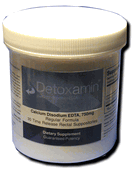
Detoxamin EDTA Chelation Therapy Suppositories are a new patented method of Ca-EDTA chelation therapy medically equivalent to I.V. chelation therapy.

Detoxamin EDTA Chelation Therapy Suppositories are a new patented method of Ca-EDTA chelation therapy medically equivalent to I.V. chelation therapy.

The difference is that Detoxamin introduces a smaller dosage of Calcium Disodium EDTA on a nightly basis.

By applying the highly efficacious Detoxamin suppository containing EDTA, you remove toxic metal from cells all over the body.

The self-administration is performed rectally before retiring so that as you sleep you are taking chelation therapy with EDTA. There's no need for intravenous infusions or quantities of nutritional supplements.

What is EDTA chelation therapy and what is it used for?Chelation (pronounced key-lay-shun) is the process by which a metal or mineral (such as lead, mercury, iron, arsenic, aluminum, etc.) is bonded to another substance-in this case an amino acid called EDTA, Ethylene-Diamine-Tetra-Acetic acid. It is a natural process, basic to life itself. During EDTA chelation therapy, the EDTA infusion bonds with unwanted metals in the body and quickly carries them away in the urine.

Chelation therapy is a safe, effective alternative to drugs and surgeries and is used to treat many illnesses now known to be linked to the presence of toxic heavy metals. Illnesses such as heart disease, strokes, diabetes, circulatory disorders, neuropathies, Alzheimer's disease, atherosclerosis, and adverse reactions to many environmental pollutants. Traditional chelation therapy uses an intravenous drip, and is administered in the outpatient setting.

The number of treatments vary based on each person's individual condition and/or goals of treatment. The average therapy is given one to three times a week for twenty to thirty treatments.How long has EDTA chelation therapy been in use? Why don't more people use it?EDTA chelation therapy for the detoxification for heavy metals has been in continuous use since the 1940s when it was introduced specifically for the treatment of lead poisoning. It was very quickly observed that as the metals were eliminated, not only did the signs and symptoms of lead poisoning abate, but problems related to the circulatory system like heart attacks, angina, strokes, and peripheral vascular disease also improved.

For the past 50 years, well over one million people have received the intravenous form of EDTA chelation. As beneficial and life saving as this therapy has become, it is very expensive and very time-consuming, making it out of reach for most people.Why is Ca-EDTA, Calcium Disodium EDTA, so much better than other types of chelation therapy?According to Dr. Bruce Halstead, "The chemistry of all chelators is such that a change of pH can dramatically effect the process of chemical binding needed to chelate a mineral or metal. When you use a less effective chelator, such as Magnesium EDTA, you lose all chelating ability of the two most essential heavy metals: lead and mercury. Magnesium di-Potassium EDTA has a dramatically lower chelating effectiveness than Calcium EDTA because both magnesium and potassium dramatically decrease the pH in the blood environment to which it is introduced. Any factor decreasing pH renders EDTA less effective.

Once the pH is lowered more than 7.38, it's no longer chemically conducive to any bonding or chelating." (Dr. Halstead is well known as the 'Father of Chelation Therapy'.)

Dr. Morton Walker Speaks on Detoxamin - Toxic Metals Induce Degenerative Diseases; Rectal Chelation Therapy Overcomes Them.

Environmentalists warn us repeatedly that we live on a poisoned planet. Toxins from mercury, lead, aluminum, cadmium, iron, nickel, and about 20 more metallic minerals permeate the Earth's milieu. Heavy and light metals poison us by combining to create deleterious signs and symptoms often referred to collectively as Toxic Metal Syndrome.

This syndrome, an indicator of serious systemic pathology, results in degenerative diseases which affect no less than 92% of the populations of Western industrialized nations, in particular, those people living in apartment high-rises and other polluted city dwellings. What happens to them? These poisoned people eventually come down with manifestations of degenerative illnesses such as heart and/or blood vessel deteriorations; pancreatitis; gout, rheumatoid arthritis or osteoarthritis; the syndromes of yeast, chronic fatigue, and/or irritable bowel; Alzheimer's disease, multiple sclerosis, parkinsonism, and many more which may be deadly-cancer for instance.

Although a poisoned person's bones remain toxic for life, excellent self-treatment exists to reduce or reverse most symptoms of illness in other body parts. First, get tested for the extent of toxicity, then neutralize metallic poisoning with a chelating agent such as Detoxamin. By applying the highly efficacious Detoxamin suppository containing EDTA, you remove toxic metal from cells all over the body. The self-administration is performed rectally before retiring so that as you sleep you are taking chelation therapy with EDTA. There's no need for intravenous infusions or quantities of nutritional supplements.Rectal chelation therapy does the job of detoxifying in a low-cost, convenient manner; it's an effective way to effuse EDTA through the bowel's walls and into your blood stream to clean toxic metals from all body cells.

Do I need Ca-EDTA chelation therapy?
We find ourselves existing in a far more toxic and hostile environment than our bodies were designed to handle. Experts have shown that almost every health problem-from learning disorders to cancer and heart disease-is aggravated by the approximate 1,000% increase in lead levels in our bones. In 1999, it was reliably reported that hearts with some form of disease have 20,000 times more toxic heavy metals than healthy hearts."Human exposure to heavy metals has risen dramatically in the last 50 years as a result of an exponential increase in the use of heavy metals in industrial processes and products." says Maile Pouls, Ph.D (Townsend Letter for Doctors and Patients, July 1999).A recently concluded "Body Burden" study by New York's Mt. Sinai Hospital and the Environmental Working Group was reviewed by University of Oregon Professor Joseph Thornton: "It shows the universality of chemical contamination of people's bodies," Thornton said.

All the studies "confirm the general message that everybody in our society has these chemicals building up. Some people have it worse than others, but everyone has it. No one is clean anymore." (From Being Careful Can't Keep Chemicals Out of Your Body, Miami Herald, February 1, 2003.)Today we know that about one out of every 2.5 Americans will get cancer. Ninety eight percent of cancer is caused by toxic chemicals. When 50% of all men and 33% of all women living now will die of cancer, something is terribly wrong. (Mortality from cancer was reduced by 90% during an 18-year study of 59 patients treated with Calcium-EDTA. This and over 40 other studies prove the efficacy of Ca-EDTA, Calcium Disodium EDTA chelation therapy and Detoxamin. We will all function better and live longer if we lower the overall burden of toxic metals within ourselves. If you eat or breathe, you will probably benefit greatly from chelation therapy.

Is Detoxamin safe for children?
Yes. In fact, Detoxamin case studies were conducted on lead poisoning in children. The study showed no significant increase in BUN or creatinine levels even in very young children. Due to our lower dosage and time release formulation, no renal toxicity was encountered.BEHAVIORAL, STRUCTURAL, FUNCTIONAL ABNORMALITIES ASSOCIATED WITH VARIOUS HEAVY METAL TOXINS.Reference: Published in the August issue of Alternative & Complimentary Therapies (a magazine for doctors) and Published in Townsend Letter for Doctor's and PatientsPsychiatric Disturbances:
Social Deficits, Social withdrawal

Mercury
Repetitive, perseverative, stereotyped behaviors; OCD-typical behaviors
Mercury
Depression, mood swings, flat affect; impaired facial recognition

Arsenic, Copper, Lead, Mercury
Schizoid tendencies; hallucinations; delirium
Mercury
Irritability, aggressive behaviors, temper tantrums
Lead, MercurySuicidal Behaviors
Copper, MercurySleep difficulties / disturbancesLead, Mercury, Thallium
Chronic fatigue (CFS); weakness, malaise
Aluminum, Arsenic, Cadmium, Copper, Lead, Mercury, Thallium
Anorexia; symptoms reflecting eating disorders, loss of appetite/weight
Arsenic, Lead, Mercury
Anxiety; nervous tendencies

Thallium
Attentional problems (ADHD), lacks eye contact, impaired visual fixation
Lead, Mercury

Speech and Language Deficits: Speech disorders
A luminum, MercuryLoss of speech, developmental problems with language Mercury
Speech comprehension deficits

Mercury
Dysarthria; articulation problems; slurred speech, unintelligible speech
Mercury
Cognitive Impairments:Mental retardation, borderline intelligence

Arsenic, Lead, Mercury
Uneven performance on IQ scores, low IQ scores
Copper, LeadPoor concentration, attention deficits (ADHD, response inhibition

Aluminum, Lead
Poor memory (short term, verbal, and auditory)
Aluminum, Lead

Difficulties understanding abstract ideas; difficulty carrying out complex commands

X metals
Dementia; pre-senile and senile dementia
Aluminum
Stupor

Aluminum, Arsenic

Impaired reaction time; lower performance on timed tests

Lead
Sensory Abnormalities:
Abnormal Sensations in the mouth and extremities
Arsenic
Hearing loss, difficulty hearing
Arsenic, Lead, MercuryAbnormal touch sensations; diminished touch sensations, aversion to touch
Arsenic
Blurred vision; sensitivity to light
Arsenic, Mercury
Motor Disorders:
Choreiform movements, myoclonal jerks, unusualpostures

Copper, Mercury
Difficulty walking, swallowing, talking
Copper, Mercury

Flapping, circling, rocking, toe walking
Mercury
Problems with intentional movements or imitation
MercuryAbnormal, gait/posture; incoordination, loss of balance; problems sitting, lying, crawling and walking
Mercury

Decreased locomotor activity
Aluminum, Arsenic
Convulsion; seizure
Aluminum, Arsenic, Copper, Lead, Mercury, Thallium

Physiological Impairment, Brain and Central Nervous System:
Neurofibrillary tangles
Aluminum
Neuritis, retrobulbar neuritis; neuropathy
Aluminum, Arsenic, Lead, Thallium
EncephalopathyAluminum, Arsenic, Lead, Thallium
Cerebrovascular diseaseX metals

Alterations in nerve conduction velocity
Lead
Alterations in the spinal cordThalliumAccumulates in CNS structures
Aluminum, MercuryAbnormal EEGs

Arsenic, Lead
Autonomic disturbancesCopper, Lead, Mercury, Thallium

Peripheral Nervous System:Peripheral neuropathyArsenic, Mercury

Alterations in peripheral nerves
Arsenic
Loss of feeling/ numbness in the extremities; paresthesia

Arsenic, Mercury, Thallium

Gastrointestinal Tract:
Nausea, vomiting, diarrhea; loss of appetite

Arsenic, Mercury

Abdominal pain, stomach cramps; burning of the throat of the mouth

Arsenic, Copper, Lead, Mercury, Thallium

Esophagitis; gastroenteritis; colitis

Arsenic, Mercury, Thallium Cancers (colon, pancreatic, stomach, or rectal) Arsenic

Renal and Hepatic Impairment:Hepatotoxicity; Liver dysfunction, damageArsenic, Copper, Thallium

Cirrhosis of the liver; hepatitis

Copper

Kidney disease; kidney failureArsenic, Lead, MercuryRenal toxicity; tubular proteinosisArsenic, Copper, LeadKidney Damage, histological alterations

Arsenic, Lead
Cardiovascular System:Blood vessel damage

ArsenicAnemia; decreased red blood cell count

Arsenic, CopperHypertension; increased heart rate (tachycardia)

Arsenic, Copper, Lead, Thallium

Electrocardiac disorders, Peripheral vascular disease; cardiovascular disease, vascular collapse

Arsenic, Lead
Respiratory System:Pulmonary Fibrosis

Aluminum, Arsenic
Pulmonary edema

X metals
Pneumonia, laryngitis, pharyngitis, bronchitis

Aluminum, Arsenic, Mercury
Restrictive airway disorders, asthmatic conditions, pneumoconiosisArsenic, Aluminum

Nasal ulcers, perforation of the nasal septumX metalsImmune System:Increased incidences of asthma, autoimmune-like symptoms, & allergies
X metals

Inhibition of lymphocytes, T-cells, monocytes X metals
Immunosuppression

LeadDecreased white blood cell count
Arsenic, ThalliumReproductive System:Genital abnormalitiesAluminum, ThalliumDisturbances in menstrual cycle; menstrual painsCopper, MercuryBirth defects; premature births; Spontaneous abortionArsenic, Lead, MercuryReproductive dysfunctionArsenic, AluminumOther Physical Disturbances:Hypotonia or hypertonia; decreased muscular strengthX metalRashes, contact dermatitis; eczema, itchy/irritating skinAluminum, Arsenic, Copper, MercuryMuscle pain; headache; acrodynia; colicArsenic, Copper, Lead, ThalliumAlopecia (hair loss)Thallium Reference: Published in the August issue of Alternative & Complimentary Therapies (a magazine for doctors) and Published in Townsend Letter for Doctor's and Patients.

Detoxamin Usage Instructions: Detoxamin EDTA Suppositories are solid, bullet-shaped preparations designed for easy insertion into the anus (back passage). Detoxamin is manufactured in a cocoa-butter base, a time-release agent (fatty acid base), and 750 mg of Calcium-Disodium EDTA. Detoxamin will dissolve at body temperature and will gradually spread over the lining of the lower bowel (rectum), where it is absorbed into the bloodstream. Detoxamin is designed to release 750 mg Calcium Disodium EDTA slowly, over an 80-minute period.

A. Detoxamin Protocol for More Severe Cases:
1. Take one suppository at night, prior to bedtime.
2. Take every night for up to 90 days. This will provide the medical equivalence of 30 IV Chelation treatments.
3. Take proper mineral/trace mineral/vitamin replacement every day.
4. Take all other suplementaion every day.B. Detoxamin Protocol for Less Severe Cases/Anti-Aging/Prevention:
1. Take Detoxamin every OTHER night, prior to bedtime.
2. Take Detoxamin every other night for 180 days (90 suppositories). This will provide the medical equivalence of 30 IV chelation treatments.
3. Take proper mineral/trace mineral/vitamin replacement every day.
4. Take all other supplementation every day.

Detoxamin Protocol AFTER A or B is completed:
Your bones are toxic for life. Lead and other heavy metals are stored in the bones and get re-distributed into the bloodstream. Therefore, it is highly recommended to continue maintenance with Detoxamin, this provides the ultimate in Anti-aging benefits.

1. Take 5 Detoxamin suppositories over a 30-day period. This porvides medically equal to about 2 EDTA IV treatments.
2. Take porper mineral/trace mineral/vitamin replacement every day.

Note: Detoxamin is designed to be taken at night, however some patients and physicians prefer taking a suppository in the morning after evacuation. (Optional)

How to Use Detoxamin:
Insert Detoxamin suppositories at night, prior to bedtime.
Eat early in the evening, about 4 hours prior to bedtime. (Reduces any discomfort).
1. Go to the toilet and empty your bowels if necessary.
2. Wash your hands.
3. Remove the plastic wrapping from Detoxamin.
4. Either squat or lie on your side with one leg bent and the other staight.
5. Gently but firmly push the suppository into the rectum, FLAT end first until past the sphincter muscle. By inserting the flat end first opposed to the pointed end, the suppository will travel higher up in the rectum more easily. If necessarey moisten the suppository with a little water. Push it in far enough so it doesn't slip out.
6. Close your legs and sit or lay still for a few minutes.
7. Wash your hands again.
8. Try not to empty your bowels for at least 80 minutes.
9. It is optional to take Detoxamin in the morning, after evacuation.

STORAGE: Store Detoxamin in a cool dark place, but not in the fridge. If Detoxamin suppository gets warm it may melt, put the fridge for a few minutes, this will return the suppository to its original state so it may be inserted.
Shelf Life: 2 Years
More information’s: here Chelation

Saturday, September 16, 2006

Indication for Siberian Ginseng

Indication for Siberian Ginseng

Depression: Depression is, of course, affected by every aspect of our lives. Those suffering from mild to moderate depression can often be helped just by the increase in energy and the resilience towards stress. However, Siberian ginseng also seems to have a specific action against the condition itself.

Stress and associated symptoms: Similar to the other forms of ginseng, Siberian ginseng is used to treat a plethora of conditions. For instance, since Siberian ginseng contains substances that exert beneficial effects on the adrenals (small glands on top of the kidneys that secrete stress-fighting hormones) it effectively combats the symptoms of stress. These include insomnia, moodiness, and fatigue.

Chronic illnesses (such as cancer): The herb is often used as part of a recovery program from chronic illnesses such as cancer. The supplement increases energy stores and helps to relieve the stress of chemotherapy (or other invasive treatments). For these same reasons it is often given to athletes during training. Siberian ginseng is also very effective in the treatment of prolonged exhaustion and debility, resulting from overwork and long-term stress.

Mental functions: Mental acuity can also be improved by Siberian ginseng. Many people swear by the use of it during tests. Often times, stress is the cause for faulty memory, lack of focus, and other common complaints. It’s a cycle in which the symptoms produce more stress, which produces more symptoms. Siberian ginseng seems to be able to defuse this by relieving tension and allowing the mind to focus.

Anorexia nervosa: Increasing energy gradually is important to those struggling with anorexia nervosa. Although, the other forms of ginseng are too strong for this situation, Siberian ginseng seems to work gently and effectively to improve the overall condition of patients. This makes recovery more likely.

Resisting Illnesses: The herb also stimulates immune resistance and is often used as a preventative during flu and cold season. As a general tonic, Siberian ginseng helps to prevent infection and maintain well being. Because of this immune boosting effect, Siberian ginseng is frequently included in nutritional support programs for people with chronic fatigue syndrome or fibromyalgia.

Alzheimer’s disease: It may benefit people who are in the early stages of Alzheimer’s disease by increasing mental alertness. Research is still needed in this area but patients given Siberian ginseng seem to respond favorably.

PMS, Menopause, & Fertility: By slightly altering hormone levels and toning the uterus, Siberian ginseng may be effective in treating menstrual irregularities and symptoms of menopause. It also appears to be helpful in preventing female infertility. When alternated with Panax ginseng, it may even be an effective treatment in some cases of impotence.

Other conditions: Other conditions for which Siberian ginseng is occasionally recommended are arthrosclerosis, impaired kidney function, kidney pain, rheumatoid arthritis, chronic fatigue syndrome, blood pressure disorders, symptoms of coronary atherosclerosis, symptoms of radiotherapy- and chemotherapy-induced leukopenia (decrease in white blood cells), and attention-deficit/hyperactivity disorder.

Sunday, July 16, 2006

The Immune System

The Immune system in short: Except for the nervous system, the immune system is the most complex biological system we have. It consists of master glands, principally the thymus; various sites that harbor immune cells; and different classes of "soldier" cells, which carry out specialized functions--including cells that prompt, cells that alert, cells that facilitate, cells that activate, cells that surround, cells that kill, even cells that clean up. Many immune cells also synthesize and secrete special molecules that act as messengers, regulators, or helpers in the process of defending against invaders.

Antigens: The Signalers. Antigens are the fingerprints of immunity. They are identifying molecules that reside on the surface of cells and, like fingerprints, are unique to the cells that bear them. All of our body cells have antigens that signal "self-self-self"-- a message that they are part of us and therefore not to be attacked. Microorganisms, viruses, or any agent that invades our bodies also have identifying antigens on their surfaces, which signal "foreign-foreign-foreign" to the immune system, readying it for immediate attack.

That's why organ transplants are difficult; the antigens on newly-introduced cells sound the "foreign" alarm. To prevent the rejection of transplanted tissues, a patient is given drugs that suppress the immune system. If the immune system overreacts to an outside antigen, the result is an allergy. Hayfever, for example, is a hyperresponse to grass, pollen, or ragweed antigens. When our immune system reacts inappropriately to the antigens on our own cells, the result is an autoimmune disorder. Lupus erythematosus and rheumatoid arthritis are examples of autoimmune diseases, in which our own tissues are attacked from within by our immune defenses.

If our immune systems fail to react properly to an outside agent--say a virus or bacterium--the result is a serious infection. Finally, if our immune systems fail to identify and destroy our own cells after they become abnormal, the result is cancer-cell development and, possibly, the growth of tumors. How can the immune system react to our own cancer cells if the antigens on our cells are supposed to signal "self" to ward off attack?

The answer reveals the special mechanism by which our bodies prevent cancer. Once a cell turns malignant, certain antigens on its surface also change. These altered molecules--known as "cancer-specific" antigens--signal "foreign" to the immune system. Cancer antigens are the giveaway--the slight change in fingerprints that can enable our defenses to detect a dangerous "inside job." Fortunately, our immune cells are not only guards, policemen, and soldiers; they're detectives as well. They have to be, because the outlaw cancer cell often cloaks its identity as a traitor to the community of cells. (These antigens have been found in some cancer types but not all.

The search continues, because cancer-specific antigens can be used in vaccines or other immunological approaches to preventing and treting cancer.)

Certain B-cells also remember their encounters with foreign agents. As a result, antibodies are produced swiftly when the same invader attacks again. Immunologic memory is the basis for vaccines, which introduce small amounts of antigen to prime our bodies for subsequent attacks. T-Cells: The Prime Players: T-cells are the stars of cell-mediated immunity, the branch consisting of subgroups of interacting cells. T-cells are so named because they "grow up" in the thymus, the walnut-sized gland located under the breastbone.

Although all immune cells are "born" in the bone marrow, different types follow different developmental pathways. T-cells migrate to the thymus. There, with the aid of various thymic hormones, immature T-cells grow, learn to recognize and attack antigens, and develop a range of specialized activities. The thymus is the master gland of cell-mediated immunity, a veritable training school for different classes of T-cells. Mature T-cells are harbored in the spleen and lymph nodes, waiting there for the sound of an alarm signaling an intruder. As with B-cells, the T-cell line also generates memory cells that prime the bdoy for repeat attacks by a familiar invader.

The main subcategories of T-cells include:
T-helper cells orchestrate the actions of other immune cells. They are essential to the performance of their fellow B-cells of the humoral branch; certain antibody reactions depend on help from the helper T's. T-helpers, which are also referred to as CD4 cells (so named for one of their cell-surface receptors), are the primary targets of HIV, the virus that causes AIDS. HIV's destruction of T-helpers, which are crucial conductors of immunity, is the reason why people with AIDS eventually lose their capacity to fight off infections and cancer cells.

Killer T-cells, also known as cytotoxic T-cells, are able to liquidate invading microbes, viruses, or cancer cells. Once alerted by other immune cells, and activated by messenger molecules, the killer T's go into action. They have nimble receptors on their surface that reconfigure their structure to fit snugly into their adversaries' antigens. Once attached, the T-cell injects a load of toxic chemicals into the invader, puncturing its surface membrane and causing its insides to gush out into the fluid environment.

Suppressor T-cells are vital to maintaining properly balanced immune responses. Sometimes called CD8 cells, they are able to suppress or dampen the actions of other immune cells. Without the activity of suppressor Ts, immunity could easily get out of hand, resulting in allergic or autoimmune reactions. But CD8 cells are multi- faceted--they can also destroy virus-infected cells. That's why their strength and numbers are considered crucial to individuals infected by HIV.

Macrophages, which begin their cellular lives as monocytes, are the garbagemen of the immune system. They clean up waste products in the aftermath of an immune cell attack. But macrophages are also critically involved in the earliest phases of our immune responses. They kick off the immunologic cascade by processing and presenting antigens to lymphocytes, which then initiate full-fledged cellular and humoral reactions. Macrophages also release messenger molecules, such as interleukin- 1, that stimulate and inform lymphocytes while the immune attack ensues. Another product of macrophages, tumor necrosis factor (TNF), is like the body's own chemotherapy--it has the noteworthy ability to liquidate cancer cells. Immune responses require breathtakingly complex interactions throughout the entire immune network.

T-helper cells need antigens presented to them by macrophages, and they depend on numerous signals from other cells and messenger molecules. B-cells depend on T-helpers to do their job, so both branches--cell-mediated and humoral--ultimately depend on macrophages. Unlike T- and B-cells, macrophages are "non-specific": they don't latch onto invaders in a perfectly targetted "lock-and-key" fashion. But they do swallow up and present invaders to specific T-cells, and clean up the messy aftermath. Another group of non-specific immune cells, from neither B- or T-cell lineages, are the natural killer cells, or "NK cells."

NK cells have the capacity to recognize viruses and cancer cells without having encountered them before, without having antigens served up to them by other cells, and without a specific lock-in-key receptor. Through mechanisms not fully understood, NK cells execute "quick strikes" against virus-infected and cancer cells, killing them with stunning efficiency. In animal studies, NK cells have been shown responsible for stopping the spread of cancer cells throughout the body. Immunologists suspect that NKs serve the same life-saving function in humans, as well. A vital mind-body connection has been uncovered with NK cells.

A multitude of methdologically sound studies have demonstrated relationships between how we cope with stress and the vitality of our NK cells. These cells represent a bridge between psychological factors and our resistance to viral and malignant diseases. Cell Products and Messenger Molecules: Our immune cells manufacture a vast number of biological products. These are molecules whose functions vary as widely as the scientific names given them: "biological response modifiers," "cytokines," "cell products," "growth factors,""messenger molecules," and just plain "biologicals."

Regardless of their titles, these substances carry information and instructions from one group of immune cells to another, changing behavior and coordinating immune responses. These molecules are couriers, communicators, helpers, growth inducers, and suppressors. Among the most well-known immune-cell products are the interferons, which have antiviral and anticancer properties, and the interleukins, many of which fight cancer, as well. There are many sub-types of interferon and interleukin, each of which perform distinct functions--but all are critical links in the immunologic chain reaction.

Scores of other products, each with its own name and properties, regulate the activities of our immune cells. As mentioned, one of PNI's most surprising discoveries is that brain chemicals- -the neuropeptides and neurotransmitters--also carry messages to immune cells. (Receptors for these brain chemicals have been found on lymphocytes, macrophages, and natural killer cells.) Moreover, recent research has shown that the immune system itself produces neuropeptide-like molecules, and brain cells appear to make immune chemicals, such as interleukin-1. We are just beginning to understand the true reciprocity of the brain-immune dialogue. Brain and body make and receive the same kinds of chemicals in order to communicate effectively. They "speak" the same language--the language of messenger molecules.

From THE IMMUNE POWER PERSONALITY by Henry Dreher.
Copyright @ Henry Dreher, 1995.

Friday, July 14, 2006

OZONE HAS BEEN USED TO TREAT

Acariasis Cryptospiridiosis, Ischemic optic neuropathy, Proctitis, Acne, Cystitis, Crohn's disease, Prostate enlargement, Acrodermatitis Cytomegalovirus, Kyanasur Forest disease, Prurigo, Acute otitis media, Cutaneous larva migrans, Landry syndrome, Psoriasis, Acute vestibulopathy, Dengue fever, Lassa fever, Pulmonary toxiplasis, Addisons disease, Dermatitis, Leishmaniasis, Pyoderma, Adenocarcinoma, Diabetes, Leptospirosis, Rabies, Adenovirus, Diverticulitis, leukemia, Radiculoneuritis, Adrenalitis, Echovirus, Leukoencephalopathy, Relapsing fever, AIDS, Eczema, Leukopenia, Reynold's syndrome, Alopecia Ehrlichiosis, Listeriosis, Reynaud's disease, ALS (Lou Gehrig disease), Encephalitis, Lupus erythematosus, Rheumatoid arthritis, Alzheimer's disease, Encephalomyelitis, Lyme disease, Rhinitis, Amebiasis, Endocarditis, Lymphocytic choriomeningitis, Rift Valley fever, Amenorrhea, Endometritis, Lymphogranuloma, Rubella, Amyloidosis, Endophthalmitis, Lymphoid pneumonia, Rubella, Amyloidosis, Endophthalmitis, Lymphoid pneumonia, Salmonella, Anal fissures Enteric fever, Lymphoma, Salpingitis, Anemia, Enteritis necroticans, Malaria, Scabies, Angina, Environmental hypersensitivity, Mastoiditis, Scleroderma, Angiodema, Epidermoid carcinoma, Measles, Senile demetia, Ankylosing spondylitis, Epidermolitic keratosis, Melanoma, Senile macular degeneration, Anthrax, Epididymitis, Melioidosis, Sennutsu fever, Apthous stomatitis, Epidermophytosis, Meniere disease, Septicemia, Arterial occlusion, Epstein-Barr virus, Migraine, Shingles, Arteriosclerosis, Erysipelas, Molluscum ecthyma, Shock, Arthritis, Erythema migrans, Mononucleosis, Sickle cell anemia, Arthrosis, Flavivirus, Morbilloform, Sinusitis, Asthma, Folliculitis, Mumps, Skin burns, Athlete's foot, Food poisoning, Multiple sclerosis, Spinalioma, Babesiosis, Fulminant varicella, Myalgia, Staphyloococcus, Bacterial pneumonia, Furuncle, Myasthenia gravis, Stomatitis, Bartonellosis, Gangrene, Mycobacterium avium complex, Stiatonigral degeneration, Basalinoma, Genital warts, Myocarditis, Stroke, Bell palsy, Giardiasis, Mycosis, Syphilis, Bornholm myalgia, Glaucoma, Myelitis, Tardive dyskinesia, Botulism, Glioma, Myonecrosis, T.cruzi, Bronchitis, Glomerular membrane disease, Myositis, Tendinitis, Bronchopulmonary aspergillus, Glomerulonephritis, Neurodermatitis, Tetanus, Broncospasm, Goodpasture syndrome, Neutropenia colitis, Tinea versicolor, Brucellosis, Gout Ocular trachoma, Tinnitus, Bullous pemphigus, Graves disease, Optic nerve dysfunction, Thoracic zygomycosis, Burkit lymphoma, Guillan-Barre syndrome, Optic neuritis, Thrombopenic purpura, Cancer of all types, Hairy leukoplakia, Oral erythema, Thrombophlebitis, Candidiasis, Heart arrhythmia, Orbital cellulitis, Thyroiditis, Carbuncles, Heart disease, Orchitis, Togavirus, Cavernous sinus thrombosis, Hematoma, Osteomyelitis, Tourette syndrome, Cellulitis, Hemorrhage, Osteoporosis, Toxic amblyopia, Cerebral atrophy, Hemorrhagic fever, Osteosarcoma, Toxoplasmosis, Cerebro vascular accident, Hemorrhoids,Otosclerosis, Traveller's diarrhea, Chagas disease, Hemolytic anemia, Pancreatitis, Trench fever, Chicken pox, Hepatitis, Panniculitis, Trypanosomiasis, Chlamydia, Herpes of all types, Papillitis, Tuberculosis, Cholecystitis, Histoplasmosis, Parainfluenza, Tularemia, Chronic pain, HIV, HTLV, Parkinson's disease, Ulcers, Chronic pulmonary disease, Hypercholesterolemia, Pediculosis Urethritis, Cirrhosis of the liver, Hypotension, Pelvic inflammatory disese, Urticaria, Coccidiomycosis, Hypersensitivity, Pemphigoid, Uterine spasm, Colitis, Hyperthyroidism, Pernicious anemia, Uveitis, Colorado tick fever, Huntingdon chorea, Poliomyelitis, Varicose veins, Conjunctivitis, Ichthyosis, Polyateritis, Varicella pneumonia, Contact dermatitis, Ileitis Polyoma virus, Vascular retinopathy, Coronavirus, Impetigo, Poor circulation, Vasculitis, Cryoglobulinemia, Influenza, Postpartum fever, Warts, Cryptococcosis, Intravascular coagulation, Pneumocytosis, Wegener granulomatosis, Pneumonia.

Monday, July 10, 2006

THE ELIMINATION DIET from: ELIMINATION DIET

THE ELIMINATION DIET

from: ELIMINATION DIET

I’ve often talked with folks that were confident that foods didn’t have any impact on their symptoms. I ask if they’ve ever run a good ‘elimination’ diet and a surprising number assure me that they have. Upon further questioning I always find that they have only eliminated a couple of foods, say milk or wheat or nightshade vegetables (tomatoes, eggplant, peppers, etc.). Even though milk and wheat are common food allergens and nightshade vegetables create problems for those possessing one specific metabolism, this should not be considered a true elimination diet.

Over 85% of people with chronic disease have food allergies. Most will find not one, but a handful of foods acting as the major culprits. This is the reason why eliminating just one or two random foods is all but useless. If you were allergic to a large number of tree pollens, springtime grasses and weeds, the removal of only one of these airborne allergens would usually have little impact on your total allergy symptoms. If the allergen was added back into the mix you probably wouldn’t notice. The effect from this one allergen would be hidden or ‘masked’ by your already prominent symptoms to the other allergens. The same phenomenon occurs with foods.

How could we find whether the airborne allergen in the above example was a significant factor in triggering our allergic symptoms? The best way would be to place ourselves in a room with perfectly filtered air (in essence eliminating all airborne allergens) until our allergy symptoms abated. The specific allergen would then be re-introduced and any allergic reaction noted. In this way the impact of a single, specific allergen can be isolated and tested. What was previously thought to be a rather insignificant allergen would often deliver a surprisingly strong allergic response.

We can do the same thing with foods. Historically ‘spring water fasts’ have been employed. Patients would drink only spring water for the initial 4-5 days. This type of ‘fast’ would obviously eliminate all food allergens from the diet. It was maintained for 4-5 days to also allow physical elimination of all foods eaten prior to the start of the ‘fast’ from the digestive tract.Spring water fasts have one major problem.

A significant percentage of individuals cannot tolerate them and should not try them. Their metabolic demands make any kind of extended water fast dangerous. Fortunately years of previous testing has provided a list of ‘safe’ foods that can be temporarily substituted for your usual diet. These foods are not completely hypo-allergenic but they do have a low allergenic potential. In other words they are rarely found to induce a reaction. The foods include cod, trout, mackerel, pears, parsnips, turnips, rutabaga, sweet potatoes, yams, celery, zucchini, carrots and peaches. Any foods routinely eaten more than twice a week should be removed from the list. All the foods must be fresh and in their ‘whole’ or natural form. No cans or other packaging allowed.

Spring water or sparkling water are the only acceptable liquids. The only allowed condiment is sea or mineral salt. Steaming is an excellent method of preparing foods during your elimination diet.Prior to starting the diet you’ll need to purchase a bottle of magnesium citrate (found in the laxative section) and alka-seltzer ‘gold’ (it’s found only in the gold colored box). All drugs should be continued. Smoking should be ceased when initiating the diet. You will not be able to eat at restaurants during the diet.If you work, Thursday evening will be the best time to begin. Wait two hours after dinner and pour one-half of the contents of the bottle of magnesium citrate into a tall glass.

Add an equal amount of water and some ice and drink slowly. Repeat the same procedure with the remainder of the magnesium citrate just prior to retiring.Friday morning’s breakfast and all subsequent meals for the next six days should consist exclusively of the ‘safe’ foods (cod, trout, mackerel, pears, parsnips, turnips, rutabaga, sweet potatoes, yams, celery, zucchini, carrots and peaches). You may eat them in any combination and in any amount as often as you want throughout the first six days. Take note of what you are eating and how often you are eating it. You won’t be able to remember so keep a diary. You will need that information later.

By Friday evening (day 1) you should start feeling your first ‘withdrawal’ symptoms. You won’t be getting the temporary lift provided by your allergenic food(s). Withdrawal symptoms can take many forms. The most obvious is an increase in joint swelling and pain. Headache, muscle aches, fatigue and other flu-like symptoms are very common. Strong hunger pangs and cravings are usually present. It’s not unusual to still feel hungry shortly after a meal.

Withdrawal symptoms will worsen on Saturday and Sunday (days 2 and 3). The intensity of these symptoms should not be underestimated. In fact many will feel completely crippled during these days. Withdrawal symptoms can be somewhat ameliorated by taking one tablet of alka-seltzer (in the gold box) in a large glass of water. This can be repeated every 4 hours if needed. You should try to drink plenty of water. It will help speed elimination and the ‘clearing’ of symptoms.By Monday (day 4) some will feel significantly better as their withdrawal symptoms begin to clear. This ‘clearing’ will continue on Tuesday and Wednesday (days 5 and 6). While younger people tend to clear their symptoms earlier, 85% of all arthritics will clear a large part of their arthritis symptoms by day 6.
After clearing most report that they feel better than they have in years.Now that symptoms have cleared new foods can be introduced, one by one, to the base diet of ‘safe’ foods that you’ve been eating the past 6 days. Up to 3 foods can be tested each day if there is no reaction.NB : If fresh/frozen mackerel not available, can substitute cod, or other white fish even. People who are pretty sure they are H-G can add in lamb.

Friday, May 26, 2006

Aching with Arthritis?

Aching with Arthritis?
Provided by: DrWeil.com

Q: What is polyarthritis, and what tests are needed to diagnose it? -- Anonymous

A: Polyarthritis means inflammation of more than one joint and is most often associated with rheumatoid arthritis, an autoimmune disease (one that occurs when the immune system mistakenly attacks the body's own tissues). Polyarthritis is also associated with lupus, polymyalgia rheumatica, and sarcoidosis. All of these autoimmune disorders can be triggered by infection, tissue injury, or emotional trauma in people who are genetically predisposed to these conditions.

Polyarthritis, as well as its underlying cause, can be diagnosed by physical exam (the affected joints are swollen, stiff, painful or tender, and may feel warm and appear reddened) as well as by a variety of blood tests.

These would include a measure of your erythocyte sedimentation rate (sed rate). A high sed rate suggests the presence of acute inflammation and occurs with rheumatoid arthritis and other immune-mediated connective tissue diseases such as lupus. Conventional medicine treats autoimmune diseases including rheumatoid arthritis with steroids and other immunosuppressive medications, most of which are toxic when used long-term.

Patients dependent on these strong drugs are less likely to respond to natural treatments, which can moderate autoimmunity and help control symptoms.

Here are my recommendations:
Follow a low-protein, high-carbohydrate diet; minimize consumption of foods of animal origin.
Eliminate milk and milk products including commercial foods made with milk.

Avoid polyunsaturated vegetable oils, margarine, vegetable shortening and products made with partially hydrogenated oils of any kind.

Increase your intake of omega-3 fatty acids (eat more cold water fish, walnuts or freshly ground flaxseeds). Consider taking a fish oil supplement to help keep your protein intake low.

Eliminate or reduce intake of coffee and tobacco - both have been linked to an increased risk for rheumatoid arthritis.

Get regular aerobic exercise (swimming is best for those with rheumatoid arthritis).

Practice relaxation techniques. In addition, visualization can help moderate autoimmune responses, and psychotherapy can help alter emotional states that keep the immune system off balance.

Try hypnotherapy or guided imagery. Look for a therapist willing to take on an autoimmune disease. Meditation and yoga can help, too.

Avoid health care practitioners who make you feel pessimistic about your condition.
Take aspirin and other over-the-counter anti-inflammatory drugs to help relieve symptoms.
Take the anti-inflammatory herbs ginger and turmeric. I recommend Zyflamend, made by New Chapter Company, which includes both. You can safely take these herbs indefinitely.

Andrew Weil, M.D.

Author of:

Wednesday, May 24, 2006

Getting Enough Omega-3?

Getting Enough Omega-3?
Provided by: DrWeil.com

Q: Your recent article mentioned one's "omega-3 level." How do I measure mine or find what my level is? I'm trying to increase my intake of omega-3s with flaxseed (ground), fish and lentils. -- Shirley

A: Omega-3 fatty acids are special unsaturated fats our bodies need for optimum health. Unfortunately, most Americans are deficient in omega-3s, and as a result are more likely to develop cardiovascular disease, cancer, inflammatory disorders, and mental and emotional problems. Eating foods rich in omega-3s can reduce these risks and also help treat depression, bipolar disorder, autism, and attention deficit hyperactivity disorder.

I don't think there is any practical way to measure your omega-3 levels. If there were, and if they were low, the solution would be to do what you should do anyway: increase your intake. Instead of worrying about what your levels are, try to calculate how much omega-3s your diet provides.

These fatty acids are found principally in oily fish that live in cold water, primarily wild salmon, mackerel, herring, and sardines. Bluefish is also rich in omega-3s as is - to a lesser extent - albacore tuna, but both of these tasty fish are contaminated by mercury and should be avoided.

Other dietary sources of omega-3s include walnuts, flaxseeds and hemp seeds - and the oils extracted from them - as well as soy and canola oils and specially fortified eggs. If you're eating three ounces of fish two to three times a week, as I recommend, snacking on walnuts and adding flaxseeds to cereals and salads you're probably getting enough omega 3s.

A 3-ounce serving of Alaskan salmon or herring contains about 2 grams of omega-3 fatty acids, while 3 ounces of sardines has about 1.3 grams. You can substitute one ounce of walnuts for a serving of fish, or add a tablespoon or two of freshly ground flaxseed or hemp oil to your diet.

These plant sources provide you with alpha linolenic acid, which the body converts to the omega-3s the body needs. The only problem with plant sources of these nutrients is that some people may not be able to convert alpha-linolenic acid to the longer-chain forms that occur in fish, the forms the body needs.

If you are not getting adequate amounts of omega-3 fatty acids in your diet, I recommend taking a good quality fish oil supplement. This is particularly important if you have high cholesterol, diabetes, symptoms of PMS, coronary artery disease or a family history of heart attack or sudden cardiac death, breast cancer, memory loss, depression, insulin resistance, high cholesterol, or rheumatoid arthritis. Distilled fish oils are free of mercury and other contaminants, and some taste quite good. Start with one to two grams a day.
Andrew Weil, M.D.

Author of:

Monday, February 06, 2006

DO NOT BE DECEIVED! AIDS AND CANCER ARE CURABLE!

Dr. George Freibott, ND, MD

Friends, pay attention to the following: If you are deceived into believing that there is no cure for AIDS or cancer and are suffering from or have loved ones who are suffering from these dreaded diseases, the following may be of extreme help in reducing or even arresting suffering. Check out the following extracts. These are not, I repeat NOT, from any unrecognized sources or journals but from highly-respected individuals and institutions!

The Government with the FDA, AMA and even the press, is being negligent of the welfare of our fellow human beings. Do not fall prey to their negligence and the lack of recognition of their own data! Rise up from the doldrums of apathy and unbelief! Our ignorance and lack of heed to the laws of Mother Nature and our personal insensitivity has caused these problems. Demand utilization now of these scientifically, time-tested, safe, non-toxic, harmless and lifesaving compounds. Demand this from your Government officials, health and welfare and welfare institutions, doctors, colleges of research and the press, now.

Check out the extracts below. The following dictation is from BLOOD, the Journal of the American Society of Hematology, Vol. 78, No.7, October 1, 1991: "Inactivation of Human Immunodeficiency Virus Type 1 by Ozone in Vitro" By Keith H. Wells, Joseph Latino, Jerrie Gavalchin, and Bernard J. Polesz. "A device was designed to deliver a constant source of given concentration of ozone fluids containing Human Immunodeficiency Virus Type 1 (HIV-1). Ozone was found to inactivate HIV-1 in a dose-dependent manner. Greater than 11 log inactivation was achieved within 2 hours at a concentration of 1,200 ppm ozone. Similar concentrations of ozone had minimal effect on factor VIII activity in both plasma and immunoaffinity-purified preparations of factor VIII treated for the same time period.

The data indicate that the antiviral effects of ozone include viral particle disruption, reverse transcriptase inactivation, and/or a perturbation of the ability of the virus to bind to its receptor on target cells. Ozone treatment offers promise as a means to inactivate human retroviruses in human body fluids and blood product preparations." Copyright 1991 by the American Society of Hematology. The following dictation is from the respected scientific journal SCIENCE, Vol. 209, August 22, 1980: "Ozone Selectively Inhibits Growth of Human Cancer Cells" Abstract: "The growth of human cancer cells from lung, breast, and uterine tumors was selectively inhibited in a dose-dependent manner by ozone at 0.3 to 0.8 part per million of ozone in ambient air during 8 days of culture. Human lung diploid fibro-blasts serve as non-cancerous control cells.

The presence of ozone at 0.3 to 0.5 part per million inhibited cancer cells' growth 40 and 60 percent, respectively. The non-cancerous lung cells were unaffected at these levels. Exposure to ozone at 0.8 part per million inhibited cancer cells' growth more than 90 percent and control cell growth less than 50 percent. Evidently, the mechanisms for defense against ozone damage are impaired in human cancer cells."

THE HISTORY OF MEDICAL OZONE IN THE TREATMENT OF AIDS

Dr. John Pittman MD

The following is a summation of exciting occurances in the field of innovative medicine, and particularly in the treatment of AIDS, due to its powerful oxidizing effect. Ozone is an energized form of oxygen with extra electrons present, which spontaneously disperse from the molecule as soon as they are produced.

Ozone blasts holes through the membranes of viruses, bacteria, yeast and abnormal tissue cells. One of the early uses of ozone was in America in the 1930's, when it was found to be effective in treating various types of inflammatory bowel disorders, such as ulcerative colitis, Crohn's disease and chronic bacterial diarrhea. In this procedure, ozone gas is delivered into the rectum through a catheter tip, where it is absorbed through the lining of the colon.

German researchers have been leaders in the development of ozone technology. In the Fifties, they developed a technique for treating blood with ozone called 'major autohemotherapy.' In this procedure, about 300 cc's of blood is taken from a vein into a vacuum bottle. Ozone is then bubbled through the blood, after which the blood is reinfused. In this procedure, ozone destroys any virus particles in the blood. It is also absorbed into the plasma and after reinfusion, disperses throughout the body.

Another technique for using ozone is direct infusion, in which the ozone gas is injected directly into the vein. This has the advantage of being more precise in terms of dosage delivered, as well as allowing administration of higher concentrations.

Other techniques include direct application to the skin through the use of ozone water baths and steam cabinets.

Through dilligent research, the Germans were abel to determine that ozone was incredibly effective in destroying such infections as hepatitis, Epstein-Barr virus, herpes, cytomegalovirus and HIV. With the realization that HIV was susceptible to ozone, the Germans began using the autohemotherapy technique to treat AIDS patients as soon as this was a recognized disease.

There have been numerous anecdotes about the German's success with ozone, and many physicians in this country have been using it with great success. Until recently, neither the government institutions nor private corporations have sponsored any rigid clinical ozone studies. There appears to be a built-in bias against the development of therapies such as ozone, because it is a non-patentable gas. Our pharmaceutical industry has developed based on the ability to patent synthetic drugs that can be sold at a profit, and thus recoup the initial investment expense. This has resulted in a system which supports drug development by this method and has discouraged the development of simple, inexpensive or non-patentable substances. Nevertheless, numerous physicians have used ozone successfully, risking sanctions by federal and state authorities, as this is not a FDA approved treatment.

In 1986 a company was formed with the purpose of developing ozone technology for medical use in the treatment of HIV infection. This company, named Medizone Inc. was formed by Terrance McGrath. Mr. McGrath founded Medizone with the purpose of declaring ozone as a drug, and proceeding with the development of this drug just as any other pharmaceutical company. He assembled a research team of experts in hematology and the biochemistry of oxidative substances, and began to go through the laborious process that the FDA requires for a new drug development.

One of the factors the FDA would require in the development of any new drug was the ability to deliver a precise quantity at a given concentration. In this case, it would be necessary to know the exact amount of ozone being produced by the machine as well as that being absorbed by the blood in order to determine the proper dosage. Mr. McGrath's research team developed a device to deliver ozone through a thin filter membrane to blood that has been drawn from the body. This allows a precise regulation of the quality of ozone being delivered and absorbed by the blood.

Upon development of this patented device, Medizone was able to sell stock to raise money for the laboratory studies and animal toxicity trials that were necessary before FDA would give approval for human studies with ozone. They have cooperated with the FDA and have produced very good research data which has been published in peer review journals.

The most recent data was found in the article 'Blood, The Journal of Hematology' in October of 1991. It was a report on a study done in Syracuse, New York, which proved that ozone will inactivate HIV in vitro (in the laboratory, outside the body.) In this case, blood that was infected with the virus was treated by ozone using Medizone's device and then was studied afterward for any trace of viral particles.

Following the publication of this research, it was expected that the FDA would grant Medizone approval to begin Phase 1 of human clinical trials. However, the FDA came back to Medizone with the requirement that they conduct large animal toxicity studies using an animal with blood volume comparable to that of humans in order to determine if there is any toxic effect. The study that has been developed will use large pigs, will cost a considerable amount of money, and will add more time to the procedure for approval. At the time ot this writing, Medizone still intends to move forward with this study while attempting to receive early approval for a human trial.

The government has become more receptive to the idea of innovative medicine by establishing the Office of Alternative Medicine at the National Institute of Health. Senator Tom Harkin of Iowa has been instrumental in establishing this office. The Senator has family members who have experienced the improvements using natural and alternative therapies, thus he has been a valuable proponent of these treatments.

Through the action of Senator Harkin, other members of Congress, and public pressure, the Senate Appropriations Committee set aside two million dollars for the establishment of this office in February of 1992. They have yet to look at ozone.

I am very excited to announce that we have opened the North Carolina Bio-Oxidative Health Center in August 1004. We are located in the Blue Ridge Plaza, a medical office building near Rex Hospital in Raleigh, NC. This center is the outgrowth of several projects in which I have been involved over the past five years as part of my ongoing research of ozone and detoxification therapies in the treatment of immune system disorders.

I voluntarily closed my office in Raleigh in 1992 to comply with an order from the NC Board of Medical Examiners that I cease using ozone in my medical practice because it was considered non-conventional and was not in common usage by other doctors within the state. Since then, through the actions of many individuals and patients' rights groups, the law has been changed so that a physician cannot have his license revoked for using experimental or non-conventional therapies.

North Carolina is now the fifth state in the country with a freedom of medicine law which allows physicians to choose those therapies they feel will benefit their patients the most and gives the patients the ability to choose the kind of medical care they feel is best for them.

IMMUNIZATION AND OZONE - Saul Pressman

It was the work of Louis Pasteur, Edward Jenner, Rudolph Virchow, Robert Koch, Paul Ehrlich and Emil von Behring that brought about the theory of wide-spread immunization, based upon the idea of producing antibodies in th blood to 'help out' the body's immune system to identify and attack 'invading germs.' Through the work of Antoine Bechamp, William F. Koch, Royal Rife, Gunther Enderlein, Carl Edward Rosenow, Otto Warburg and Gaston Naessens, the original assumptions underlying this theory regarding the body's immune system have now been shown to be erroneous.

The so-called 'bad' bacteria and viruses that modern medicine fights with its huge arsenal of pharmaceutical drugs are in reality the germs of life. These germs of life live in symbiosis with the nutritive medium that constitutes our body, allowing it to be built up and later decomposed, to be metamorphosed and recreated. These germs are pleomorphic shapeshifters who are controlled by the medium in which they live. Germs are not something separate, isolated, unfriendly and coming from without, but are rather the foundation for all life. Without germs, there is no life. Their number is infinite. Their function is varied. Germs can change shape, join together, separate again and return to their primordial condition. Viruse, bacteria and fungi are various developmental forms of germs. The nutritive medium on which the germs thrive determines the type of development they will undergo.

Early in this century, Dr. Carl Edward Rosenow of the Mayo Biological Laboratories began a series of experiments in which he took distinctive bacterial strains from a number of disease sources and placed them in one culture of uniform media. In time, the distinctive strains all changed and became one uniform class. By repeatedly changing cultures, he could individually modify bacterial strains, making harmless ones 'pathogenic,' and in turn reverse the process. He concluded that the critical factor controlling the nature of the bacteria was the food and environment they lived on. These discoveries were first published in 1914 in the Journal of Infectious Diseases.

Rosenow's work was corroborated and expanded upon about two decades later by Royal R. Rife, developer of the Universal Microscope, with a resolution of 150,000 power. This precision instrument made live bacteria and viruses visible.

Rife showed that by altering the environment and food supply, friendly bacteria, such as colon bacillus, could be converted into the 'pathogenic' bacteria known as typhoid. Rife was able to observe that the viral agent associated with certain forms of cancer could in time be modified into harmless bacillus coli, and the process reversed. Rife stated that it was the unbalanced cell metabolism of the human body that in actuality produced the disease. He believed that if the human body was perfectly balanced, it was susceptible to no disease.

This work closely paralleled Alexis Carrel's earlier research at the Rockefeller Institute where he was able to control the rates and levels of infenctious disease mortality among mice by altering the diet. Researcher Rene Dubos reaffirmed these findings and suggested that virulence is an ecological problem: that is a problem of the state of internal cleanliness.

It is known that children who cannot produce antibodies in their blood (agmmaglobulinemia) nevertheless recover from diseases such as measles and still have long-term immunity. People with no antibodies have been found who are extremely resistant to diseases, while other people have developed diseases to which they already had high levels of antibodies.

Official U.S. military records show that highly immunized personnel manifest a mortality rate from diptheria four times higher than of unvaccinated civilians.

It is now clear that the body needs no 'help' of the sort provided by immunization; that antibodies in the blood stream are not required to protect teh body; and that immunization can cause immune suppression, permanent nervous system damage, and growth stunting. There is also strong evidence that immunization can actually cause the diseases it was meant to prevent. This view has gained support from the writing of a report commissioned by the Canadian International Development Agency (CIDA) from Dr. Raymond Obomsawin in 1992.

In his detailed report, Dr. Obomsawin found that the idea of induced immunity was an illusion founded on: -discredited scientific theories; -the refusal to examine contrary data; -the lack of proper followup assessment of immunized children - and poor statistical methods.

The positive impact of immunization on public health has never, repeat NEVER, been substantiated in any unbiased study. Immunized people have repeatedly fallen ill to the disease they were supposedly vaccinated against, and epidemics are statistically MORE numerous in more widely vaccinated groups (studies in Gambia, Brazil and Taiwan).

Estimates by 'experts' on the degree and severity of adverse reactions have been woefully wrong, and serious damage and even fatalities have gone unreported, preventing a true assessment of the value of immunization.

Repeatedly, statistics and reports have been manipulated in an attempt to show the effectiveness of vaccination. The best known case involves the famous Salk polio vaccine. This massive program is held up as a shining example of the effectiveness of vaccination, yet the statistical evidence shows that polio was on its natural cyclic downturn at the time of introduction of the vaccine in 1956. In one of the rare double blind tests ever done on a vaccine, the group receiving it had 200 cases of polio reported, while the control group had none. Polio disappeared in Europe in the mid-Fifties about the same time as in America, yet there was no program of mass-vaccination there.

Some scientists are now postulating that full vaccination irreparably weakens the child's immune system. These same scientists theorize that mass innoculation is responsible for the widespread escalation of auto-immune, degenerative and allergic conditions amongst those subjected to vaccination as children. A further disturbing trend is the increasing coercion placed upon parents to force them to have their children subjected to this massive invasion of their bodies. The weight of state sanctions against parents is unconscionable, especially when the true dangers of immunization have now been laid bare in this report.

Now that we know that vaccination offers no protection against disease we are left with the question of what disease, how to present it and how to treat it.

The Cause of Disease

The human body is 2/3 water, 10% of it in the blood and 90% in the lymph. It toxins are allowed to build up in the system, the water gets 'dirty.' If the blood pH varies from 7.3 then the beneficial microbes that are necessary in the body begin to change their form, and disease results.

To maintain a clean system, it is necessary to have a proper diet, one that produces a blood pH that is neither too alkaline (bacteria problems) or too acid (cancer problems). And it is necessary to have sufficient oxygen in the system to allow cellular respiration to be efficient and allow complete oxidation, preventing the production of carbon monoxide which the body cannot expel.
Each cell burns sugar (carbohydrates) in oxygen to make its fuel. The carbon-hydrogen bond is cleaved, and the oxygen bonds with the hydrogen, forming H2O (water) and CO2 (carbon dioxide). If there is insufficient oxygen available, CO (carbon monoxide) is formed instead of CO2, excessive lactic acid is formed and the blood is made more acid. If this oxygen deprivation (hypoxia) continues long enough, the cell will no longer be able to sustain the process of oxidation and it will be forced to ferment its sugar anerobically in order to survive. This process turns off the governor on cell replication and therefore wild growth can begin. Ungoverned cell growth is called cancer.

Circulation of clean, oxygen-carrying blood is a basic requirement for optimum health, and this can be achieved by bringing ozone into the body. The least expensive way of ding that would be to live on a mountain far from the cities and breathe deeply - - the recipe for an Eastern master.
Failing that, we can use an ozone generator to create ozone from pure oxygen and bring that into the body in any one of a dozen ways in order to oxidize toxins and oxygenate the cells. Ozone works at the basic level of all important bodily functions - respiration, digestion, assimilation, elimination and immunity. And this is the answer to the question of what we substitute for the worthless and dangerous vaccination programs.

It is imperative that the red blood cells be kept free-floating and unclumped, so that they can carry the proper amount of oxygen. Ingestion of ozone keeps red blood cells from clumping and therefore keeps circulation of the optimum level necessary for good health.

If people were to have reliable and inexpensive ozone generators in their homes, they could purify their water, their air and their bodies. If adequate nutrition and sanitation were maintained, diseases of all types could be prevented. The role of the hospital would be reduced to an extension of the emergency room for accident victims. The role of the pharmaceutical company with its noxious potions woud disappear, and the level of general health would rise to new heights.

INFECTION THEORIES CONTRASTED

GERM THEORY TOXICITY THEORY

1. Disease arises from micro-organisms 1. The suceptibilty to disease arises originating outside the body. from conditions within the cells of the body.

2. Micro-organisms should be guarded 2. Micro-organisms are beneficial and against and destroyed to prevent disease. live-sustaining if the body is kept clean from toxins.

3. The appearance and function of 3. The appearance and function of specific microorganisms is constant. micro- organisms changes when the host organism is unjured, either mechanically, biochemically, or emotionally.

4. Every disease is associated with a 4. Every disease is associated with a particular condition. particular microorganism.

5. Microorganisms are primary causal 5. Microorganisms become associated agents. with disease only when the cells become toxified.

6. Disease is inevitable and can 'strike' 6. Disease arises from conditions of anybody. increased toxicity.

7. To prevent and cure diseases, it is 7. Preventing or curing disease necessary to 'build defenses' and to consists of cleaning toxicity from the body in a way that does no harm.

CONTEMPORARY OZONE APPLICATIONS - Kurt Donsbach

In order to appreciate ozone one must first understand fully the critical role oxygen plays in human life. Oxygen is by far the most important necessity of human life. It performs hundreds of tasks in the body, but the two most important are energy production and detoxification.

The production of energy in the body is accomplished by the combination of glucose with oxygen, producing ATP. The body makes an amount of ATP equivalent to your body weight every 24 hours. If you make 10% less ATP than normal, you will feel tired and sluggish. If ATP production falls too far, you will deteriorate rapidly, and die. Energy is life and the production of energy in the body depends upon oxygen.

The second important function of oxygen is to combine with metabolic waste products to allow their elimination from the body. This process is called the oxidation reduction cycle. When insufficient oxygen is available, the detoxification process slows down, wastes pile up, circulation becomes sluggish, oxygen is prevented from reaching the cells and disease results. Thus, we can see that oxygen is essential to these two vital phases of life.

Since oxygen is the most critical requirement for life, the ingestion of substances teh increase the level of oxygen in the body are the most beneficial to optimum health. The best sources of oxygen are ozone, hydrogen peroxide and magnesium peroxide.

Ozone treatment is safe because healthy cells are surrounded by an enzyme coating, which ozone does not penetrate. Bacteria and viruses have no such coatings and are oxidized on contact by ozone. Ozone also promotes the production of glutathione peroxidase, catalase, reductase and super-oxide dismutase which are the enzymes forming the cell wall coating and therefore cellular immunity is enhanced.

Ozone also has a measurable benefit on the uptake and utilization of oxygen through improved glycolysis in red blood cells, reduction of clumping of red blood cells and the stimulation of mitochndrial respiration. This improved cellular respiration is invaluable in preventing cancer.

Cancer begins when a normal cell cannot get enough oxygen. If the level of oxygen available falls below 40%, in order to survive, the cell will begin to ferment sugar instead of burn it. This process is irreversible, and results in an energy output only 1/6 as great as oxidation. The cell then lacks the energy to manufacture a proper enzyme coating around itself. The governor on cell replication is switched off, and the cell can begin to make copies of itself wildly. This ungoverned cell replication is called cancer.

When ozone is introduced into the area, it immediately attacks the unhealthy cells because they lack a proper enzyme coating. Healthy cells are untouched. If sufficient ozone is administered over time, the tumor will be dissolved.

The applications of medical ozone include performance enhancement, increased longevity, accelerated wound healing, dentistry, heart disease, all infections, treatment of all gastro-enteric diseases, immune stimulation, treatment of all cancers, and gerontology. Ozone also combines well with intravenous chelation therapy which is used to treat arterial disease or heavy metal toxicity. Chelation therapy works quite slowly through a number of infusions, and adding ozone can speed this process up.

Ozone provides an immediate oxygen boost to heart tissue which can noticeably reduce the incidence of angina. It also improves brain function, because the brain uses over 15% of all the oxygen in the body.

Through the development of modern equipment, home usage of ozone therapy has become practical. Rectal and vaginal insufflation, combined with use of a body suit or bag, drinking of ozonated water and breathing ozone bubbled through olive oil, are established protocols for home usage.

The naso-pharyngeal area is often the site of chronic minor infections which become acute in cycles. Chronic sinusitis is probably one of the most common maladies of today. The introduction of ozone into the ear canals can be of great benefit in reducing such chronic infections. At first, just do it for a few minutes.

Another method of getting ozone into the body is with use of a closed, one-person sauna. Since the pores will be open in the moist heat, ozone can be absorbed slowly and safely in large amounts through the skin. This. method prevents the great fatigue of toxic shock sometimes encountered with other methods, because the oxidized toxins are sweated out through the skin rather than being dumped to the liver. This technique is particularly effective for bed sores, ulcers, non-healing wounds and burns.

Medical doctors in Europe have recognized the beneficial effects of ozone for over 80 years. German doctors have developed many different methods of administering ozone. Medical ozone therapy is quite new to Britain and Canada, and only practised by a few doctors. It is even less available in the US due to active persecution by the FDA. But in Germany, over 7000 doctors give ozone therapy daily. The medical use of ozone has an excellent safety record and no toxic side effects have been observed in millions of treatments over nearly 100 years.

The use of ozone for medical therapy is well-established and is being vigorously pursued by many clinicians. As technology develops, new techniques will emerge that will enlarge the scope of the effective use of this healing modality.

MSM - METHYL SULFONYL METHANE - Saul Pressman

MSM is extracted from DMSO by the process of adding another oxygen molecule to it so that it separates the dimethyl solvent from the sulphur. The sulphur left after this process is a biologically active sulphur, and it is the active ingredient in DMSO.

DMSO is a byproduct of the timber industry. At one time Crown Zellerbach attempted to get rid of this 'waste' by spraying it on dirt roads to compact the earth. This caused problems, because animals of every description would come and lick it all up. The deer would lick six inch potholes in the road. Dr. Stanley Jacob of the Oregon Health Sciences University observed this and later identified this substance as DMSO, a healing penetrant that instantly soaks in through the skin and reduces pain. Eventually, Dr. Jacob discovered that the active healing agent in DMSO is MSM.

MSM, the suphur-bearing amino acid, is available to the cell and creates a flexible bond. Cells with insufficient MSM lose their ability to flex. A wrinkle is caused by cells that have lost their ability to flex.

Sulphur has a vital relationship with protein, since sulphur is found in the amino acids methionine, cystine and cysteine. The sulphur-bearing amino acids are absolutely essential to health. Sulphur acts as an activator with all the B Vitamins, thiamin, biotin, Vitamin C and pantothenic acid. Sulphur aids the liver in bile secretion and helps maintain the overall body balance between acidity and alkalinity. Sulphur plays a role in carbohydrate metabolism, which is significant for controlling hypoglycemia and diabetes. The lack of biological sulphur in the body results in low insulin production. Sulphur is a component of insulin, which is secreted by the pancreas for metabolizing carbohydrates. Sulphur keeps hair, nails and skin healthy. In addition, sulphur plays an important part in cell respiration and assimilation. MSM is therefore essential and is thus found in all living organisms.

Medical research has proven that a minimal concentration of MSM is critical to function and structure, and that the concentration drops as time passes, directly contributing to aging. There has been extensive medical testing over the last ten years on the use of MSM in the diet. Some diseases considered irreversible, such as emphysema, have been overcome through use of supplemental MSM. Other diseases treated with excellent results are: pyorrhea, skin burns and scars, exzema, psoriasis, dandruff, loss of hair, PMS, diabetes, hyperactivity, constipation, parasites arthritis, carpal tunnel syndrome, candida, chronic fatigue syndrome, Epstein-Barr and low energy. MSM helps with the oxygenation of cells and free radical scavenging, and is thus anti-aging.

MSM occurs in fresh fruit and vegetables, raw milk, wheat grass juice and aloe vera. There is no toxic dose, and the body will excrete un-needed MSM.

Because it helps in the production of methionine, a basic liver enzyme, MSM is very important to proper digestion and assimilation of food. The liver cannot do its job of regulating enzymes and metering sugar and filtering out toxins properly without MSM. It is of little use to increase dosages of vitamins and minerals if they will just be excreted. Daily supplementation with MSM will ensure proper absorption of all nutrients, with the corresponding betterment of health.

METHYLENE BLUE

Methylene blue is a blue dye used for staining tissue samples for viewing under a microscope. It is a methyl donor with the ability to cleave carbon monoxide off from hemoglobin. When the body is poorly oxygenated, the sugar that is burned in oxygen by the cell for energy burns poorly, producing carbon monoxide, instead of carbon dioxide. Monoxide has a great affinity for the iron in hemoglobin, and the hemoglobin is unable to shen it in the lungs, and so must leave without a fesh supply of oxygen. This can produce the condition known as methemoglobin anemia. People over the age of fifty almost always have some methemoglobin in their blood.

Driving in heavy traffic with the vents open can also cause a buildup of carbon monoxide in the blood. In addition, a faulty gas furnace or a smoky fireplace can also cause the ingestion of carbon monoxide.

Carbon monoxide in the system acidifies the blood, irritates the organs and causes a lowering of body temperature, which microbes of all types prefer. The body's way of dealing with bacteria and viruses is to shut off the intake of food and raise the body temperature, which we call a fever, in order to 'burn out the bugs.'

For many years, methylene blue has been used to treat cyanosis, a slight cyanide poisoning sometimes caused by handling blueprints.

By taking methylene blue, 5 drops in a glass of water before bed, we can eliminate carbon monoxide from our blood in a few short weeks. Methylene blue is safe and non-toxic. Its only side effect is to temporarily turn the tongue blue, and to make the urine green. It rarely needs to be repeated mre than once a year.

FLAX OIL & OZONE

The concept of increasing blood levels of oxygen by ozone and hydrogen peroxide therapies has great merit. However, getting an increase of oxygen does not guarantee an increase of oxygen on the cellular level where it is needed most for cancer treatments and other disorders.

An increase in cellular utilization oxygen is achieved by increasing dietary omega 3 oils. (Flax oil is nature's richest source of omega 3 oil containing over 60%.) These omega 3 oils are incorporated into each cell membrane as a building block. There they play the important role of attracting oxygen out of the blood to be utilized by the cell. This effect is a polar attraction. (It is the same reason omega 3 oils are used in fast-drying paints because they attract oxygen.)

Two to three teaspoons of flax oil daily will meet your daily needs. Flax oil naturally contains the free radical scavengers vitamin E and beta carotene which are important factors in any healing process. Flax oil also benefits the cardiovascular system, skin problems and inflammatory conditions such as arthritis and colitis. Flax oil is a wonderful food but should never be cooked. It can be put on potatoes, vegetables and soups in place of butter or on salads as a dressing.

One must avoid margarines, hydrogenated fats, refined vegetables oils as these contain harmful trans-fats which interfere with omega 3 absorption and oxygen utilization.

HYDROGEN PEROXIDE - Walter Grotz

Oxygen is the most abundant element on the surface of the earth. It comprises 45.6% of the earth's crust and 20.95% of dry air. It is the most vital and necessary element for the survival of life. Without oxygen, you can live only a few minutes.

Through his research efforts, Dr. Edward Carl Rosenow (1875 - 1966) worked out the causes of some 35 diseases and was the author of 450 medical papers. Dr. Rosenow develped a technique by which microorganisms in the body could be eliminated or controlled. His basic tenet was that in every body are millions of microorganisms, which adapt to the habitat they are in. He felt that the wastes and secretions of these microorganisms contributed to many degenerative diseases. In this belief, he agreed with the thinking of other medical scientists such as Bechamp, Rife, Enderlein, and Gaston Naessens. Dr. Rosenow experimented with the use of hydrogen peroxide to reduce these microorganisms.

Hydrogen peroxide was first reported by the French chemist Louis-Jacques Thenard in 1818, who named it 'eau oxygene' or oxygen water. It is found in traces in rain and snow (McGraw-Hill Encyclopedia of Science & Technology, 5th Edition, p.747). In 1863 Meissner proved its presence in the rain water collected during thunderstorms and this has since been corroborated by others (Journal of the American Medical Association, Vol x No. 9, March 3, 18880. It gets into our rain and snow from atmosphere ozone decending from above coming into contact with water vapour.

From 1880 to 1904, Charles Marchand published 18 books on the subject of hydrogen peroxide and ozone.

An article on the intravenous injection of hydrogen peroxide appeared in The Lancet of February 21, 1920 (Influenzal Pneumonia: The Intravenous Injection of Hydrogen Peroxide).

An article on external use appeared in Hautzart 12:425, Setember 1961, Germany (On a Simple and Painless Treatment of Warts).

Since 1966, there have been over 600 medical articles published about hydrogen peroxide. They do not all concern humans, and they are not all positive

In 1983, there were over 100 articles published on the subject of hydrogen peroxide.

The Food & Drug Administration in Federal Regulation Vol. 46 No 6, January 9, 1981, gave the food industry the green light to use hydrogen peroxide in the packaging process. The FDA has further ruled that hydrogen peroxide can be used in the processing of cheese and cheese products, eggs and egg products, and as an antimicrobial agent in whey processing. They have also allowed it to be used in cleaning and healing mouth injuries. Hydrogen peroxide is now being used intravenously and intraarterially by a number of American doctors. The Inernational Bio-Oxidative Medicine Foundation (P.O. Box 13205, Oklahoma City, OK 73113) is supporting clinical reserch in this area.

Hydrogen peroxide is found in fresh fruit and vegetables, some of it coming from rain, and some of it manufactured in the process of photosynthesis (General Biochemistry, Furton & Sommonds, p.338). Eating fruits and vegetables raw ensures that we get this hydrogen peroxide into our bodies, along with valuable enzymes. Mother's milk contains a good amount of hydrogen peroxide, and colostrum contains even more. The spring water of Lourdes, famous for its healing powers, has a very high content of naturally occuring hydrogen peroxide.

Hydrogen peroxide is used in milk in 45 countries around the world, removing the need for refrigeration. An article on the 'aseptic' process for milk can be found in "Trailer Life," Novemeber 1981, p51-52.

Many people have found benefit in drinking diluted amounts of hydrogen peroxide, but it can be nauseating and cause stomach upset. It is better to bathe in it, putting 8 ounces of 35% food grade H2O2 in a tub of warm, chlorine-free water and soaking for 25-30 minutes.

- Alternatively, you could spray the body after a shower with 3% hydrogen peroxide, avoiding the eyes and hair.

- Spray vegetables and fruits with a 3% solution of H2O2 and then rinse, to remove pesticides.

- In the dishwasher, add 2 oz. of 3% to the regular washing formula.

- In the wash machine, add 8 oz. of 3% to the wash in place of bleach.

- As a mouthwash, gargle with 3% H2O2, and then rinse.

- Use baking soda and 3% H2O2 to make a paste for brushing teeth.

- As a douche, add 2 tablespoons of 3% to a quart of distilled water.

- For an enema, add 2 tablespoons of 3% to a quart of distilled water.

To make a 3% solution, mix 11 oz. of distilled water with 1 oz. of 35% hydrogen peroxide.

Always be careful when handling 35% food grade, and keep it away from children. If you spill some, wash the area with water to dilute it. If you get it on your skin, rinse under running water. The skin will temporarily turn white, but no permanent harm is done.

SO YOU'RE THINKING ABOUT TRYING OZONE - David Sterling

So you're thinking about trying ozone therapy! It is important to know what you are getting yourself into. Ozone is not a silver bullet. Ozone is part of a whole lifestyle change. If you don't think that you can commit yourself to change, then don't. Change requires time, effort and patience. It is not something that will come and go in a matter of months. The basic premise is that you are cleaning out the toxic wastes that your body has been storing which are providing an environment the encourages growth of pathogens and suppresses the immune system. It will take time and effort to clean up the situation.

What are you trying to accomplish in doing ozone therapy? Take a moment and analyze your life. What types of food do you eat? Do you smoke and drink? Are you taking any drugs, either prescription or non-prescription? Have you had chemotherapy or radiation or metal poisoning in your lifetime? These are all factors to be considered.

The body is 2/3 water. How dirty this water is depends on how you have run your life. The more junk food you've eaten; the more you've smoked and drank; the more drugs you've put into your body; the more toxic you are. The more toxic you are, the longer it will take ozone to do it's job. You are going to have to make some lifestyle changes. The healthier you eat, the better off you are going to be. You should consider eliminating meat from your diet, and switch to vegetarianism, gradually. Care must be taken to ensure a balanced diet. There are many good books on the subject at this site's book store. Remember that the blood pH should be maintained at about 7.3 - 7.4.

Juicing is a great way to get nutrients. Try to get a juicer which uses the pulp as well, because half of the nutrients are int the pulp. Try and buy local organic produce when possible, to avoid the pesticides used on imported produce. Make sure you wash all fruits and vegetables prior to eating/juicing them. A 3% solution of food grade hydrogen peroxide and pure water is great for this purpose.

If you smoke and drink, you should stop. If you are a non-prescription drug user, you should stop. You should examine which prescribed drugs you are on as well. If you are taking AZT or DDI, this will not be compatible with ozone therapy, because the ozone will attack the drug and be used up before it can do the work on stored toxins.

Antibiotics are also bad for your system. Over a period of time, they depress the immune system and destroy beneficial bacteria. You will find the ozone itself will act as an antibiotic while enhancing your immune system.

You must also stop burning the candle at both ends. The body needs its proper rest periods. If you're not prepared to institute these changes, then don't attempt ozone.

What water do you drink and bathe in? Both should be as pure as possible. Do not drink tap water. Either buy bottled water cleaned with ozone, or purchase a reverse osmosis unit. You should attach a good filter to your shower head to eliminate chlorine from you shower/bathing water. Seeing that the skin breathes, it is not a good idea to be ingesting the chlorine that is used to sterilize the public water supplies. You may want to try 35% food grade peroxide as an inexpensive start to oxygenating your system. You can take it internally (for dosage schedule, refer to Ed Mc Cabe's book "Oxygen Therapies"), but it is best to bathe in it (8 oz. in a tub of warm unchlorinated water, soak 30 minutes).

If you have decided ozone is the way to go, there are some things you should think about. A good set-up will cost you about $2,500. This includes the price of an ozone generator, an oxygen regulator, and the purchase of an oxygen tank. After the initial outlay, you can expect to go through about $30 worth of oxygen per month. For IV injections, you must use oxygen from a tank only. For other treatments, such as rectal insufflations, you can get away with using as oxygen concentrator, although they are expensive to buy.

The more serious the disease, the more aggressive you have to be with the ozone therapy. There are many accepted ways to introduce ozone into the body. Some of these include: drinking ozonated water; ozone body bagging; rectal insufflations; vaginal insufflation; and direct IV injection into a vein.

For the first few months, you will have to set aside time for yourself to do the ozone therapy. As said before, ozone is not a silver bullet. It takes a lot of work and dedication. At first, you can expect to spend AT LEAST a couple of hours a day doing ozone. If you decide to attempt direct IV injections, how do you plan to facilitate this? Do you have someone qualified to do this for you, or are you going to attempt to do this yourself? Self-injection is not easy, and requires practice. It will take you at least a week to perfect this. You can expect to have bruised arms before you get it right. Remember that you will be doing as injection a day for several weeks.

You must also be prepared to perform some sort of colonic (enema) process to clean your colon. As the body detoxifies, you must ensure that your colon is kept clean so that the toxins are eliminated and not reabsorbed. If you are considering rectal insufflations, you must clean yourself out (using an colonic/enema) prior to using the ozone, each and every time. For some, this is not a pleasant thought, but it is a necessity in rectal insufflation.

Do not expect to feel good for a while. As ozone starts to do it's job, you may experience one or more of the following: unusual fatigue; fever; night sweats; diarrhea; nausea. Ozone wil generally force toxins out of the body the way they were put in. The more toxic your body is, the stronger these reactions will be. This initial detoxification process could last from several weeks to several months. Do not despair, you will eventually feel better. You can expect to see results, but only if you're committed to the program.

It will not be easy, but you will see results. After the initial detoxification, you wll have to go on a maintenance program. This will also be dependent on the individual person. Ozone may always be a part of your new healthy lifestyle, protecting you from toxic buildup and resultant disease in the future. Back To Contents

PROTOCOLS OF OZONE ADMINISTRATION AND OZONE EQUIPMENT

There are twenty-two methods of administering medical ozone. They are:

In the clinic:

1. autohemotherapy 2. intravenous injection 3. intraarterial injection 4. direct injection into a tumor 5. intracutaneous (blistering) 6. intramuscular

7. subcutaneous 8. uterine insufflation 9. bladder insufflation 10. sub-atmospheric bagging 11. dental use of ozonate water.

In the home or the clinic:

12. rectal insufflation 13. vaginal insufflation 14. drinking water 15. in the ear 16. ozonated water enema 17. breathing through olive oil 18. deep lymphatic massage with ozonated olive oil 19. ozonate bath with sea salt 20. body suit 21. steam cabinet 22. external limb bagging

DIRECT IV INJECTION OF OZONE

Procedure

Hook up the oxygen tank and regulator to the ozone generator. Open the valve on the tank and open the regulator to deliver 3/4 litre/minute and allow the system to purge for one minute. Set the regulator to deliver the flow rate required for the concentration desired (say 40 ug/cc) and turn on the ozone generator. Allow five minutes of running to stabilize. Swab injection site with H2O2 and pump up pressure cuff to enlarge vein. Fill the syringe from the ozone generator. Press the plunger and expel the ozone against a latex glove to be sure that ozone is present. The glove will begin to disintegrate. Refill the syringe. Shut off the ozone generator. Insert the needle into the vein and release the cuff.

SLOWLY press the plunger and inject ozone at a rate of about 5 cc/minute. Watch entry site for puffiness. This means you are not in the vein. If you run your fingers over this area, you may hear a crackling sound. Do not worry, this is harmless. Have the patient inhale through their nose and exhale through their mouth during injection. If you feel resistance against the plunger, pause for a moment, then resume. The small needle will not allow very fast injection. Tell the patient to inform you at the first sign of any feeling in the shoulder/chest junction, because this is the signal that they have had enough. If there is no reaction, inject another 30 cc until this signal is felt. Some larger patients may take 100 cc or more; smaller ones only 20 cc or less. Withdraw the syringe and cover the injection site with a cotton swab. Shut off the oxygen tank. Some patients will cough after injection as the ozone outgasses in the lungs.

This is harmless, but can be annoying. If the patient coughs for more than 30 minutes after the injection, administer 5000 mg Vitamin C orally. This will stop the ozone reaction. Inject once per day for a week, minimum. After that point, rectal insufflation may be sufficient. In certain cases, injection may be necessary for many weeks. Switch veins regularly. If the veins are hard to find, use the portal vein (accessed rectally). The portal vein is especially recommended for liver cancer.

more information at: Chelation
http://www.dreddyclinic.com/integrated_med/ozone-therapy.htm

Chemical & Heavy Metal Cleanse Starter Kit

Chemical & Heavy Metal Cleanse Starter Kit

$149.85
[ learn more ]

Add to Cart

The Chemical & Heavy Metal Starter Kit was designed by Dr. Group for individuals that are new to the cleansing process, or are simply looking for an easy-to-perform, cost effective cleanse program. The Heavy Metal Starter Kit is comprised of LIFE Detox Foot Patches™, NDF Plus™, and Quantum Zeolite™.

Paratrex®

Paratrex®

$32.95
[ learn more ]

Add to Cart

Get Paratrex® and promote a natural cleansing of your system. Paratrex® helps create an environment hostile to invading organisms. Help flush your system clean!

Advanced Body Cleansing Kit

Advanced Body Cleansing Kit

$147.75
[ learn more ]

Add to Cart

Advanced Body Cleansing Kit with Livatrex™, Oxy-Powder®, Latero-Flora™ and two bottles of ParaTrex®.