ParaTrex 728x90 Animated 90% could you be one

Friday, January 26, 2007

Health Tip: Is Your Child at Risk for Ear Infections?

(HealthDay News) -- Middle ear infections are common in many children.

This may be because their eustachian tubes are shorter and narrower than those of their elders, the American Academy of Family Physicians says.

Here is the academy's list of common risk factors for child ear infections:
Frequent exposure to secondhand smoke.

Having had allergies, frequent colds, prior ear infections, or a family history of ear infections.
Attending day care.

Being born prematurely or at a low birth weight.

Sleeping with a bottle or using a pacifier.

Being male -- boys are more likely to get ear infections than girls.

Men With Breast Cancer at High Risk of Second Tumor

(HealthDay News) -- Men who have breast cancer have a significantly increased risk of a second cancer, according to the largest study ever done on the subject.

"We looked at the risk not only of a second breast cancer but also of other cancers. We found the risk of other cancers increased as well," said lead researcher Hoda Anton-Culver, director of epidemiology at the University of California at Irvine.

Her team published its findings in the February issue of Breast Cancer Research.
Breast cancer remains rare among men. Only about 1 percent of breast cancers are diagnosed in men, but some 1,400 new cases are reported in the United States each year, according to the American Cancer Society.

Because of the relatively small incidence of male breast cancer, "not one study until now has looked at large numbers," Anton-Culver said. However, "our study looks at a very large number of men," she said, "so there can be validity to large numbers of a rare cancer like this one."

The researchers analyzed data from the California Cancer Registry on 1,926 men who developed breast cancer from 1988 to 2003.

Of these, 221, or 11.5 percent, went on to develop a second cancer at least two months after their breast cancer diagnosis.

One significant second cancer in the group was malignant melanoma, with an incidence that was 50 percent higher than normal, she said. There was also an elevated risk of stomach cancer.

There are several possible explanations for the increased risk, Anton-Culver said. It might be due to the side effects of treatment of the primary breast cancer, for example. But the most probable cause is genetics, she said, with the men being at "higher risk of developing cancer in general."

And studies by the group have shown a high incidence of a breast cancer-related gene, BRCA2, in the men, Anton-Culver said.

The findings could have a very practical application in terms of screening, she said. Her group has been collecting family histories of men with breast cancer, in collaboration with British researchers.

"We definitely do see an association between breast cancer in men and an increased risk of being a carrier of a cancer-related gene," Anton-Culver said. That relationship indicates that a screening program looking at close relatives of men with breast cancer could help with the early detection of malignancies, she said.

"Once you have a man with breast cancer, you have a great target for screening," Anton-Culver said.

More information
For more on male breast cancer, go to the U.S. National Library of Medicine.

Potential Method of Blocking Cancer Cell Growth Identified

(HealthDay News) -- A new approach that uses small molecules to target cancer cells may be able to disrupt the cells' function and stop them from growing without affecting normal cells, researchers report.

Using these molecules to block other proteins on the cells' surface could lead to future cancer treatments, according to the report in the Jan. 26 issue of Cell.

"We looked for some small molecules that would inhibit the initiation of proteins that cause cancer cells to grow," explained lead researcher Gerhard Wagner, the Elkan Rogers Blout Professor at Harvard Medical School's Department of Biological Chemistry and Molecular Pharmacology.

Most of the growth of cancer cells is governed by so-called "weak" messenger RNAs, which tell the cell what proteins to make. Wagner believes that by exploiting this weakness in cancer cells, scientists can stop these cells from growing. This is done by finding small molecules that can attach themselves to the surface of cancer cells and block the messenger RNAs from communicating with the cells.

"It is a mystery that the genes in cancer are controlled by a group of weak messenger RNAs that shuttle information about how to make proteins," said Gerard I. Evan, the Gerson and Barbara Bass Bakar Distinguished Professor of Cancer Research at the University of California, San Francisco, who was not involved in the study.

Evan said this way of controlling the growth of cancer cells may make them easy to disrupt. It "may be a favor that's been handed to us by evolution, and it may be just a lucky break for human beings in the treatment of disease," he said. "What it means is that it's possible to disrupt the messenger RNAs that are maintaining cancer cells but without disrupting the day-to-day business of the cell."

Wagner's team discovered a small molecule that inhibits the growth of cancer cells but has no effect on the proteins necessary for the functioning of normal cells. The molecule, called 4EGI-1, effectively silences genes that have links to cancer, he said.

For the study, the researchers capitalized on the weakness of cancer-related RNAs by using 4EGI-1 to disrupt the interaction between two proteins, eIF4E and eIF4G.

The researchers then tested their molecule on several types of cancer cells, including leukemia and lung cancer. "We found that these molecules inhibited the growth of these cells and caused them to die," Wagner said. "These compounds are specific for cancer cells, and they have less effect on the growth of non-cancer cells."

This method of preventing the growth of cancer cells may provide new targets for new cancer drugs, Wagner said. "These drugs would work on the principle of inhibiting protein-protein interactions," he said.

Wagner noted that these particular proteins aren't strong enough to be used therapeutically. Before they could play a role in cancer treatment, they would have to be enhanced to have a more powerful impact. Then they would need to be tested in animals before any human trials could occur, he said.

Evan added: "If you accept that the interactions between proteins can be targeted, then it opens up an enormous vista of controlled, targeted therapeutics in all aspects of disease. The ability to disrupt the interface between proteins by a synthetic chemical is very exciting."

Evan added that this approach to drug development could extend beyond cancer. "New technology is going to give us molecules that are designed to fit the shape of proteins we want to disrupt. Then, if you think about what you want to disrupt, well, there's a whole new pharmacology out there," he said.

"The idea is that we can really get to interfering with the bits of cellular processes that we want to interfere with," Evan said. "It's not just about cancer, it's about any pathological situation. Maybe even infectious disease."

More information
The U.S. National Cancer Institute can tell you more about cancer therapy.

Brain Region That Fuels Addiction Found

(HealthDay News) -- A small area of the brain nestled inside the cerebral cortex might explain why smoking is such a hard habit to break.

A new study of 69 smokers with brain injuries showed that those who had damage to the insula often quit smoking suddenly and effortlessly, suggesting that this particular area could be a target for future therapies to help smokers quit.

"This is the first study to show in humans that there's a brain area that's somehow necessary to promote addiction to any drug, and smoking in particular," said study author Dr. Nasir Naqvi, a doctoral student in the medical scientists' training program at the University of Iowa Carver College of Medicine. The report is published in the Jan. 26 issue of Science.

"This is a seminal paper," said Deborah Mash, a professor of neurology at the University of Miami Miller School of Medicine. "However, the fundamental question is whether the effect is specific to nicotine, because it may be that the insula is the seat of the soul for the compulsive taking of all abused substances."

The study was prompted by the experience of one patient, a two-pack-a-day smoker who quit immediately after his insula was damaged by a stroke. His body "forgot the urge to smoke," he told researchers.

The insula's function seems to be to take information from other parts of the body and translate that into feelings such as fear, disgust, anger and sadness, along with desires and cravings.
Although some imaging studies have shown that this region of the brain is activated by drug-related cues, "the insula has never really been examined closely for its role in addiction," Naqvi said.

Naqvi and his colleagues found 69 additional patients with brain damage, all of whom had been smokers before the damage occurred. Nineteen of the participants had brain damage involving the insula, 13 of these had quit smoking, and 12 of them had done so quickly and easily.

While some of the other patients also quit smoking, those with damage to the insula were more likely to have quit immediately and without anguish.

The results led the study authors to conclude that damage to this region of the brain reduced the urge to smoke, rather than reducing the "reward" associated with smoking. That's not to say that the reward system isn't important to smoking addiction, just that this latest finding might complete the picture, they added.

"A lot of pleasure that comes out of smoking is what it does to the body, rather than nicotine reaching the brain. Each puff stimulates sensations in the throat, the lungs, the chest, and these are important for why smoking is pleasurable," Naqvi explained. "We think that when people are craving cigarettes, they are remembering that type of pleasure, and this area of the brain, which is known to sense what is going on in the body, may play a role in remembering that type of pleasure."

So far, the thought is just a theory, but the finding may help smokers quit using, for example, sensory replacements for smoking such as cigarettes without nicotine.

And, depending on what other research turns up, focusing on the insula may help people give up other addictive behaviors as well, the researchers added.

"This is a seminal paper," said Deborah Mash, professor of neurology at the University of Miami Miller School of Medicine. "However, the fundamental question is whether the effect is specific to nicotine, because it may be that the insula is the seat of the soul for the compulsive taking of all abused substances."

More information
Visit the American Lung Association for more on smoking and quitting smoking.

Heavy Drinking Exacts Toll on Women With Hepatitis C

(HealthDay News) -- Heavy drinking slashes the life spans of women with hepatitis C, a new study says.

Publishing in the February issue of Alcoholism: Clinical and Experimental Research, the researchers noted that women with hepatitis C tend to live longer than men with the virus. However, this study found that heavy drinking eliminates that survival advantage in women.

The study analyzed 132,468 hepatitis C- and heavy drinking-related deaths in the Multiple Cause of Death files of the U.S. National Center for Health Statistics.

They found that women with hepatitis C who were not heavy drinkers died at an average age of 61, compared to about age 49 for women who had hepatitis C and were heavy drinkers.
Among men with hepatitis C, heavy drinking lowered the average age of death from about age 55 to age 50.

"Previous studies indicated that alcohol use is a risk factor for HCV (hepatitis C virus) disease progression, but they seldom examined the effect on women and men separately," study author Chiung Chen, a research analyst at CSR Inc., said in a prepared statement. "Even fewer studies were able to examine the effect of alcohol on HCV mortality. Our study provides empirical evidence to fill the gap."

CSR Inc. conducted the study under contract with the U.S. National Institute on Alcohol Abuse and Alcoholism.

More information
The American Academy of Family Physicians has more about hepatitis C.

Wednesday, January 17, 2007

I currently work on average about 8 days per month as a Microscopist

My name is Mary Beth Mittleman, I am a mother of three (young) children, I run my own successful business and I am married to Stu Mittleman, ultra marathoner who runs a successful coaching business of his own.

I am also a Microscopist trained by Dr. Young which gives me the freedom and flexibility needed to balance my hectic work and family life. And the most profound impact the microscopy provides me with is the ability to give back and contribute to others.

I grew up in Columbus, Ohio with a dream to be an artist. I got a BFA from Syracuse University and went on to receive an MFA in painting from Columbia University. I was a struggling artist living a bohemian lifestyle in NYC where I met my husband ultra marathoner Stu Mittleman. At this time I became intrigued with health and fitness, ran three NYC Marathon's (all coached by Stu), and became a mother of two.

We moved to San Diego from New York City in 1998. That year we were introduced to alkalizing and energizing the system through the acid/alkalinity distinctions. I had my blood looked at and became interested in what was happening from the inside out. Seeing my blood cells made me realize this was the leverage I needed to transform my own health and energy. I immediately saw the power and the impact this visual representation of seeing one's blood has on our day to day life.

I discovered it was possible to study and become a Microscopist without years of degrees and training. I studied with Dr. Robert O. Young and became a certified Microscopist in a reasonable amount of time.

After I went through the beginners and advanced course I coordinated blood testing for Tony Robbin's Life Mastery seminar in 1999 and 2000, in which over 2000 people were tested at one event.

The experience was extraordinary.
Stu and I had our third child in August 2000 just before the Robbins Life Mastery event. The joy in being able to study and apply my skill as a Microscopist was such a blessing. I went through my pregnancy and then with my new born baby, I had the flexibility to be a Microscopist anywhere I desired.

I'd asked myself 'How is it possible to educate and to create distinctions with even more people?' Blood Cell Analysis is the answer!

I love the opportunity to make a difference.
I currently work on average about 8 days per month as a Microscopist, I affiliate with other health practitioners. I visit a Chiropractors office twice a month and also a Colon Hydrotherapy/Lymphatic (Colon Cleansing) Practicioner's office twice a month, where various healing and cleansing modalities are offered.

I work with their patient/client base (I can see between 8-10 people a day), creating a unique service for the other health practitioners and creating a steady stream of new clients for me.
The other days I have private appointments for Microscopy, some days from my home and many times I am asked to travel to perform microscopy for groups.

Microscopy offers me Flexibility and Freedom, consequently giving me the choice of where I want to focus my energies! To serve others and contribute at a cellular level is so fulfilling and truly rewarding.

Take action NOW! Become a nutritional Microscopist. Commit to transforming your health, energy and awareness within and with others.

I promise you your life will take on a new meaning and groundedness.
From the Heart,
Mary Beth Mittleman

We would like to thank Mary Beth from our hearts for her passion for the New Biology? and her selfless contribution to the mission of saving lives and changing lives.
Dr Robert & Shelley Young
http://www.phmiracleliving.com/

PS If you have been contemplating whether the Microscopy course is for you. Mary Beth's story may have answered some of your questions and inspired you to join us on March 12th through the 17th for the Basic Course and for our Advanced Microscopy Course March 19th through the 24th.

Our latest book 'The pH Miracle for Weight Loss' has been at the number one position for all Weight Loss books being sold on Amazon.com.

In fact every time we go on TV with our book our web traffic jumps by up to 500% all of which adds to the growing demand for more microscopists.

more info at: http://www.dreddyclinic.com/integrated_med/live_blood.htm

The following link demonstrates the toxic effects of acidic drugs on spiders.

The following link demonstrates the toxic effects of acidic drugs on spiders.
http://www.glumbert.com/media/spiders

For more information on the effects of acids on the brain and body go to: www.phmiracleliving.com or read the book Sick and Tired found at your favorite book store or on line at amazon.com

healthy alkalarian community

As a member of our healthy alkalarian community we will be sending you each week a new alkalarian recipe.

For more information on pH Miracle Living and Eating and additional alkalarian recipes check out Shelley's Back to the House of Health DVD's and her Back to the House of Health recipe books at: http://www.phmiracleliving.com/videos.htm


Vegan Chili - Donated by Cheri Freeman (Serves 2-4)
2 Garden Burger patties or equivalent e.g. Boca Burgers
1 cup Olive Oil
½ onion chopped
1 whole jalapeno (seeds and all)
1 Tbs. Chili powder
1 tsp Real Salt
2 Cloves garlic, chopped
3 cups strained tomatoes (Pomi brand has no preservative or vinegar)
2 cups Salad mix (mixed greens, red/yellow peppers, carrots etc) Veggies shreds (cheese alternative)

Brown and crumble patties in the olive oil in a saucepan or cast iron pot.

Add all remaining ingredients except salad. Adjust seasonings to your own taste.


If you don't like it too hot, you can seed your jalapeno. Put about half of the chili in a blender and add salad mix and puree. Pour back into your pan, stir thoroughly. Pour into serving bowls and top with alternative cheese shreds. Great on cold nights!

Thursday, January 04, 2007

Genes Affect Response to Heart Failure Drugs

(HealthDay News) -- A person's genes may determine how he or she responds to heart failure drugs, say researchers in Germany.

Beta blockers are drugs used to treat people who have chronic heart failure. They slow nerve impulses traveling through the heart to reduce the heart's workload. They work on beta-adrenergic receptors, which are present in cardiac cells.

In a study that appears in the January issue of the Journal of Clinical Investigation, researchers from the University of Wurzburg, Germany, explained why some heart failure patients respond better to others to certain beta blockers.

The researchers examined variations in the genes that code for beta-adrenergic receptors in rat cardiac cells. They looked at how the receptors responded to three different beta blockers -- bisoprolol, metoprolol, and carvedilol.

While each drug caused a conformational change in the receptors, the effect of bisoprolol and metoprolol was minor in certain variations of the genes. Carvedilol, on the other hand, induced a 2.5-fold response in one of the variants.

It seems that beta-adrenergic receptors may vary from person to person, which alters the receptor's conformation, subsequently altering the receptor's response to a given beta blocker.

The authors of a commentary that accompanied the study proposed that these findings may help researchers figure out why there are ethnic differences in the response to beta blockers, since some receptor variations are more common in certain ethnicities.

Future studies are needed to determine if genetic testing could help doctors decide which heart failure medication would work best on a given patient.

More information
The National Heart, Lung and Blood Institute has more about heart failure.

Meningitis Guidelines Cut Unnecessary Treatments

(HealthDay News) -- Existing guidelines accurately distinguish between cases of viral and more dangerous bacterial meningitis, reducing the number of unnecessary hospitalizations and antibiotics that are given to children, researchers report.

The tool should also be used by emergency room physicians, concludes the study in the Jan. 3 issue of the Journal of the American Medical Association.

"The previously published and derived 'decision rule' worked well or better than anything else we could come up with," said principal investigator Dr. Lise E. Nigrovic, an attending physician in pediatric emergency medicine at Children's Hospital Boston. "It's the most accurate clinical prediction rule to discriminate between bacterial and viral meningitis."

"This would support some clinicians -- particularly [those] seeing an older child with what looks like viral meningitis -- in saying, 'I don't really need to hospitalize this child now, I can follow him as an outpatient,'" added Dr. Nathan Litman, director of pediatrics and pediatric infectious diseases at Children's Hospital at Montefiore Medical Center in New York City.

Improved diagnosis is incredibly important in treating meningitis, "potentially saving costly hospitalization and potentially avoiding initiating an IV line of antibiotics that would be unnecessary," he said.

Meningitis is a potentially life-threatening inflammation of the membranes (meninges) surrounding the brain and spinal cord. Patients with the condition are usually identified by a higher-than-normal number of white blood cells in the spinal fluid. Most cases of meningitis are caused by viral infections, but about one in 25 are caused by bacterial or fungal infections. Bacterial meningitis, while relatively rare, is much more severe and can lead to disability and even death.

"The conundrum is that you have a very rare but serious disease, bacterial meningitis, and a much more common but less serious viral meningitis," Nigrovic said.

It takes two days for a culture to come back to prove that the meningitis is bacterial or viral. Unfortunately, doctors typically have to decide right away how to treat the patient.

"Often, patients are admitted to the hospital," Nigrovic said. "If a physician was actually able to determine a patient was at low risk for bacterial meningitis before the cultures came back, they might consider treating them as outpatients and avoiding some of the potentially harmful consequences of hospitalization."

The authors of the current study had previously developed the Bacterial Meningitis Score, to help doctors identify patients at very low risk of bacterial meningitis. Individuals were considered at low risk if they lacked five criteria, including certain cerebrospinal fluid measurements and a history of seizures.

But the score was tested only at one medical center. It was also tested before the widespread use of the pneumococcal conjugate vaccine made the bacterial form of the disease much less common in children under age 2.

This time, the score was tested on the records of almost 3,300 children aged 29 days to 19 years, treated at 20 academic medical centers in the United States. The lead institutions were Children's Hospital Boston and the University of California, Davis. Most of the children had been vaccinated for meningitis.

Among this new group of patients, the Bacterial Meningitis Score accurately identified patients with the disease 98.3 percent of the time. The score had a negative predictive value -- meaning it spotted patients without bacterial disease -- of 99.9 percent.
There was one caveat: Children younger than 2 months who have at least one risk factor on the Bacterial Meningitis Score should still be hospitalized and given antibiotics, the authors stated.
"The youngest children are at slightly higher risk, and the rule did not work as well for them, so the rule should be applied to children aged 2 months and older," Nigrovic said.
"They clearly point out exceptions," Litman added. He said that some children who don't have bacterial meningitis would still need to be hospitalized if they had other, life-threatening illnesses.

Ultimately, doctors still need to make their own judgments. "The rule works very accurately at discriminating between the two, but it should be used to assist clinicians in decision-making," Nigrovic said.

More information
To learn more about meningitis, visit the National Meningitis Association.

Wednesday, January 03, 2007

We offer free training with the purchase of a Q1000 laser.

We offer free training with the purchase of a Q1000 laser.
http://www.dreddyclinic.com/Q1000_Laser.htm

When you purchase a Q1000 laser you receive a free training manual and the opportunity to learn our Soliton Laser Process. You can come to one of our trainings or work with us via email or telephone. Our process is unique and is based on the newest research on cellular rejuvenation.

The Q1000 Laser Training Manual covers many protocols for specific conditions and health challenges. It is easy to reference and draws from well established principles of holistic medicine. The manual also provides important information about laser physics and user information.
The Soliton Laser Process is a revolutionary new system for rejuvenation. It is easy to learn and super effective (click here to read about the Soliton Laser Rejuvenation Process).

The protocols are for health practitioners and lay people alike. They are designed to be simple and super effective for:

  • Pain relief
  • Healing injuries
  • Anti-aging
  • Weight loss
  • Immune enhancement
  • Organ balancing
  • Glandular rejuvenation
  • Lymph activation
  • Chakra balancing

The Q1000 Laser Therapy Training also covers the use of lasers in dental, chiropractic, acupuncture, skin care, cranial sacral, chakra work and holistic healing. There is special emphasis placed on weight loss and facial rejuvenation protocols.

We also customize our protocols to meet specific requests. We have helped many of our clients to customize the Q1000 laser into their existing protocols. The Soliton Process is very flexible and can be done anywhere - on chairs, out on the field or in any setting. It is used as an adjunctive to many healing modalities.

Call to find out how the Soliton Laser Process can enhance your rejuvenation.
Once learned, the basic protocol can be applied to any condition. It work on the simple principle that cells love to grow more cells and do so very effectively when they are not stressed. The Soliton Process works in a very subtle fashion to unwind stress from the body.

When done in a systematic way, the nerves, organs, glands, lymph, and chakras are all balanced. This has a profound effect on overall health as it effectively unwinds stress from cells that is associated with aging and disease.

It allows cells to get back to what they do best— growing more cells. As the body unwinds, cells throughout the body open with greater blood flow and oxygen available to the tissues for healing. The Soliton Process is a simple process designed to assist the body to unwind from stress and to rejuvenate.

More nformation: http://www.dreddyclinic.com/Q1000_Laser.htm

Rejuvenate your cells today with SOLITON LASERS

Q: Do lasers really work?
http://www.dreddyclinic.com/soliton_laser.htm

A: The Q1000 Laser really works. It donates energy to cells which translates to cellular rejuvenation. When an injury or health condition is not getting better usually it is due to a lack of energy, or electrons.

This energy is what helps the cell to grow more cells and get better from whatever is going on. The Q1000 laser provides that energy which in turn assists the cell to start to grow more cells. It is very similar to a garden where you plant vegetables in areas where they will get sunlight. This light donates photons or energy for vegetables to grow.

The body works the same way. Only many people don’t get enough energy from the sun, air, water and most important food. With the use of pesticides and chlorine our food, air and water actually use up the bodies electrons in the process of converting toxins to a non harmful state. As a result many injuries take longer to heal. This is where the Q1000 is very beneficial.

It donates energy in the form of photons. This in turn enhances the flow of electrons which stimulates cells to start to grow more cells (click here to learn more about laser physics). The process is really quite simple and profoundly effective. We have some incredible success stories of people that have avoided surgery using our laser or recovered from chronic immune situations. The key is consistent use and an openness to heal.

Q: Are lasers safe?

A: This is a great question and appropriate given the traditional applications of lasers. This society views lasers as powerful, cutting, heating beams of light.

While this can be so, there are many classes of lasers. Ours are often called soft lasers and are totally different than cutting lasers. Lasers are used in a wide variety of technologies commonly used in our society.

In fact, lasers are already being used by every major discipline of medicine. As such, it is appropriate for lasers to become available for health practitioners and lay people. Soft healing lasers use much lower powered laser diodes to donate energy in the form of photons to cells for the purpose of rejuvenation.

There are many healing lasers on the market that are quite powerful. Our feeling is that a well designed laser does not have to be to powerful. Many lasers that are currently being used in our opinion are not suitable for lay people and certainly are not designed for use on organs and glands. Many of the lasers on the market are for injuries only. The Q1000 and its probes have powerful laser diodes, only they are designed to be extremely safe and effective. We feel very comfortable having lay people use these lasers for health and rejuvenation.

Q: Why purchase the Q1000 laser compared to other lasers?

A: The Q1000 laser is incredibly versatile. The Soliton Wave technology makes it gentle enough to use on areas other laser are not designed for. The ability to work on soft tissue, meridians, bones, teeth, organs, glands, cranial sacral fluid, lymph and much more makes this laser unique among lasers. Most lasers are mostly for pain and injury.

The Q1000 is fantastic for healing pain and injuries, and also a wide variety of other applications. This advanced technology makes it a subtle healing laser that is great for facial rejuvenation, weight loss, organ rejuvenation, immune enhancement, colon detoxification and much more.

Q: Who buys a Q1000 laser?

A: A wide variety of people purchase Soliton Lasers.

From healers to elderly folks, people from all walks of life feel comfortable using the Q1000 laser. It is safe and easy to use; about 50% of the people that buy Soliton lasers are lay people. The other 50% are health providers ranging from nurses and traditional doctors to naturopathic doctors and healers.

We have many chiropractors, acupuncturists, massage therapists, dentists, energy healers, veterinarians and naturopaths using the Q1000 laser during patient related procedures. It is easy and comfortable to use and virtually everyone that tries it gets good results. It's very empowering to help people with their health challenges - even people with long-term chronic problems see improvements almost right away.

The Q1000 is a simple tool with powerful results.

Q: Is it hard to learn how to use?

A: The Q1000 is a very easy laser to use. Most lasers and healing devices require extensive training and understanding due to the electric power output.

The Q1000 is made to be safe yet simple. Even though it uses minimal electric output, it is as powerful and effective as healing devices get. The Q1000 laser works on a unique new principle of subtle energy called soliton wave technology.

This is actually more powerful than traditional lasers. Its power comes from the coherent nature of the energy that makes it very effective at helping cells to regenerate. This happens naturally by simply holding the laser near the body in the area you wish to enhance and allow it to do its thing. There are different modes which are also designed to be simple and effective.

These modes are easy to learn through our free training. People that purchase this laser appreciate its ease of use. The sense of wellness that comes with being able to prevent problems and deal effectively with existing health challenges makes this device at bargain

Q: Why do lasers cost so much?

A: Lasers are still expensive due to the cost of laser hardware and the cost of manufacturing lasers. They have not yet been widely manufactured and as a result the companies that make soft healing lasers have a lot of costs in the design, research and manufacturing of lasers. As lasers begin to gain more momentum in healthcare as the phenomenal approach to wellness that they are, laser companies can manufacture in higher quantities and begin to offer more affordable lasers.

In the world of lasers the Q1000 is one of the most affordable around. Compared to other lasers you get a great value for your dollar. With our laser system you get 14 laser diodes for the price of what other companies give you only a few laser diodes.

The Q1000 also offers multiple laser wavelengths and unique new soliton wave technology nicely packaged in a portable and durable hand held laser. The versatility and ability of using the Q1000 laser on organs, immune enhancement, facials, teeth, injuries, chakras and much more makes this laser a great deal, when compared to the traditional lasers available that are really only designed for injuries.

The Q1000 works great on injuries and also on a variety of other conditions based on its ability to rejuvenate cells anywhere in the body.

more info at: http://www.dreddyclinic.com/soliton_laser.htm

Tuesday, January 02, 2007

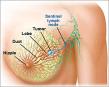
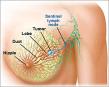
High-Tech Mammograms Will Change Breast Cancer Care

(HealthDay News) -- The mammogram is changing for the better.

New computer-driven technologies should make the yearly exam more accurate and easier on patients than ever before, experts say.

High-tech computer-based digital mammography is already available at about 10 percent of diagnostic centers in the country and growing steadily at a rate of about 4 percent a month, said Priscilla F. Butler, senior director of the American College of Radiology Breast Imaging Accreditation Programs.

While filmless mammography doesn't feel any different to women while they are being screened, doctors are discovering that there are benefits for particular patients.

A study of more than 40,000 women published last fall found that compared with standard mammograms, computer-based digital "pictures" were more beneficial for more than half the women.

The findings of that study, the American College of Radiology Imaging Network Digital Mammographic Imaging Screening Trial, were that younger women with dense breast tissue, those under 50 and those who are premenopausal, would benefit most from digital mammograms. The range was so large that some doctors have since concluded that dense breast tissue in all groups is better seen with the help of a computer.

"In other situations, it is probably no different [to film]," said Dr. Carl D'Orsi, co-chairman of the American College of Radiology Breast Imaging Commission and professor of radiology and director of the Breast Imaging Center at Emory University in Atlanta.

Other technologies are on the horizon.

In late November, researchers presenting at the Radiological Society of North America's annual meeting, in Chicago, created buzz by announcing data on a new technology called Cone Beam Breast Computed Tomography (CBBCT). According to experts, CBBCT promises to equal or surpass mammography in detecting breast cancer, and it does so without squeezing the breast in a vice.

The CBBCT scanner takes a number of pictures of the breast from various angles then merges them into one three-dimensional image. The system was developed by a professor at the University of Rochester, which holds several patents on the technology. The university licensed the technology to Koning Corp. to make, use and sell the scanners. The National Cancer Institute, along with private investors, helped fund the development of the scanner.

This pilot study used the CBBCT scanner to image 20 volunteers who had had normal mammograms, as well as a group of women who had had abnormalities detected during a physical exam or who had had suspicious mammograms. The goal of the study was simply to see how well the CBBCT could image the breast.

The CBBCT proved itself at least as good as conventional mammogram in imaging the breast, the study's authors concluded.

The system also has the advantage of being more comfortable. The woman lies on her stomach on a cushioned exam table with a cutout in the middle. She suspends her breasts one at a time through the cutout while the CBBCT takes 300 images in the space of about 10 seconds.

The radiation dose is comparable to that of mammography. Unlike conventional mammography, the CBBCT system clearly displays tissue around the ribs and outer breast near the armpits.
The pilot study will continue until 60 participants have been imaged. A larger trial is planned for next year.

Koning Corp. hopes to have a commercial scanner on the market as soon as the U.S. Food and Drug Administration approves the device. But other technologies may be further along, said Dr. Joshua Kalowitz, chief of breast imaging at Maimonides Cancer Center in New York City.

"There's a lot of new stuff on the horizon," he said. "Five years from now, we'll be in a lot better shape, but right now, we have to see which ones will end up being the best."

Computerized mammography does have its drawbacks -- at least for now. D'Orsi said there are so many options for setting up and reading the computer images that doctors are somewhat slower at determining their results.

"You have the ability to manipulate the image, invert it, adjust the brightness, which you can't do with film, so it may take longer," he said. "There's a learning curve to it because it's new, but you get faster and faster."

He's excited by the technology, which will soon make it possible to "see" tissue in ways that film and the naked eye cannot.

"We can invent novel new technologies," he said, among them a three-dimensional approach that will improve cancer detection. Already in the works are what he calls a "computerized method of peeling layers of breast away electronically," so that irregularities can be pinpointed more exactly.

And, as doctors and hospitals adapt to electronic patient charts, digital mammography will play an important role, said Butler. "Mammography was one of the last holdouts in going to a filmless environment, which is much more efficient," she said. "All of medicine is pretty excited about it."
But D'Orsi cautions that the most important thing is not the technology itself, but the person reading the results.

And, the National Cancer Institute warns women not to wait for the new technology. The guidelines in place for several years still apply:
  • Women in their 40s should have mammograms every one to two years.
  • Women 50 and older should be screened every one to two years.
  • Women who are at higher than average risk of breast cancer should seek expert medical advice about whether they should begin screening before age 40 and the frequency of screening.

More information
For more on digital mammography, visit the National Cancer Institute.

Health Tip: Treating Pneumonia

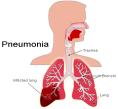
(HealthDay News) -- Pneumonia can be a very serious illness and require hospitalization for the very young, the elderly, or people whose immune systems are compromised.

While for most people, a trip to the hospital isn't needed, pneumonia isn't to be taken lightly, the University of Maryland Medical Center says.

Here's the hospital's list of the most common physician suggestions to treat pneumonia:
  • A prescription antibiotic.
  • Drinking lots of fluids.
  • Use of an expectorant, but not a cough suppressant.
  • Taking pain relievers.
  • Practicing breathing exercises.

Paratrex®

Paratrex®

$32.95
[ learn more ]

Add to Cart

Get Paratrex® and promote a natural cleansing of your system. Paratrex® helps create an environment hostile to invading organisms. Help flush your system clean!

Advanced Body Cleansing Kit

Advanced Body Cleansing Kit

$147.75
[ learn more ]

Add to Cart

Advanced Body Cleansing Kit with Livatrex™, Oxy-Powder®, Latero-Flora™ and two bottles of ParaTrex®.