ParaTrex 728x90 Animated 90% could you be one

Monday, November 20, 2006

Poor Sleep Contributes to Health Problems

(HealthDay News) -- New studies are discovering just how vital sleep is to overall health.

So, sleep habits should become a standard part of a complete check-up, researchers say.

"There is increasing evidence that there is a very strong relationship between sleep quality and physical and mental health," said Dr. Phyllis C. Zee, a professor of neurology at Northwestern University's Feinberg School of Medicine.

"If you have poor health, that is associated with poor sleep. Also, if you have poor sleep, there is an association between that and poor health," Zee said. "What we don't have yet is the research to categorically say that if you improve sleep, you will improve conditions, such as diabetes or hypertension, or other medical conditions."

Still, physicians should be asking their patients about the quality and quantity of their sleep, Zee said. "Sleep should be another vital sign," she said.

Zee wrote an editorial in the Sept. 18 issue of the Archives of Internal Medicine, a special, themed issue on sleep and its relationship to overall health.

In one study, led by Richard L. Nahin, a senior advisor for scientific coordination and outreach at the U.S. National Center for Complementary and Alternative Medicine, looked at why people had trouble sleeping and how many were using alternative drugs to help them sleep.

Insomnia and trouble sleeping are most often associated with high blood pressure, heart failure, anxiety and depression, according to a national survey of 31,044 adults. "That's unusual. It had been most often thought that insomnia was quite prevalent on its own, but only 4 percent of the people who said they had insomnia said they had it without any of those conditions," Nahin said.

The researchers also found that 1.6 million Americans are using alternative therapies, such as melatonin to treat their insomnia. "That's quite high when you consider that there is very little reliable data on the efficacy and safety of using the products people are using," Nahin said.
These findings have implications for treating sleep problems, Nahin said.

"Instead of treating the insomnia itself, a health-care provider might be better off treating one of these comorbidities," he said. "In addition, a physician seeing a patient for insomnia should ask if the patient is using any alternative and complementary treatments, because they might upset the treatments the health-care provider wants to apply."

Another study found that people who have sleep-related breathing disorder -- marked by frequent pauses in breathing, labored breathing, or reduced breathing during the night -- were two to 2.6 times more likely to develop depression. Moreover, the odds of depression increased as breathing disorders became more severe, according to researcher Paul E. Peppard and colleagues from the University of Wisconsin.

And a study by French researchers found that people with allergic rhinitis, caused by hay fever and other allergies, have more difficulty sleeping and more sleep disorders than people without allergies. "The results show a significant impact of allergic rhinitis on all dimensions of sleep quality and, consequently, a lower quality of life as reflected by more somnolence [sleepiness]; daytime fatigue and sleepiness; and impaired memory, mood and sexuality, with a significantly increased consumption of alcohol and sedatives in cases compared with the control group," the study authors wrote.

One expert agrees that sleep problems shouldn't be ignored.

"If you think insomnia is an annoyance and merely something you should tough out, that may be a mistake," said Michael L. Perlis, director of the Sleep Research Laboratory at the University of Rochester, in New York. "It may lead you down the path to other morbidities. It would also be a mistake because it's treatable."

Other studies in the same journal issue found that:

  • Fewer hours of sleep may contribute to poor health in young adults.
  • Those in rural areas who sleep fewer hours appear to weigh more.
  • The immune system may play a role in narcolepsy, a disorder characterized by an uncontrollable urge to sleep.
  • The immune system may be affected by a lack of sleep that contributes to inflammation and a variety of diseases.

More information
The National Sleep Foundation can tell you more about getting a good night's sleep.

Feeling Stressed?

(HealthDay News) -- You just missed a deadline at work, you're supposed to chaperone your son's school field trip, and your mechanic called to tell you your car's transmission is shot.
Stressed to the max?

Everyone experiences stress. And many people are stressed every day. But, stress isn't always as obvious as in the example above. In fact, some people don't even realize how much stress they're under until they suffer serious physical consequences of that stress.

Psychologist Anie Kalayjian, professor of psychology at Fordham University, said she's had patients end up in the emergency room, convinced they were having a heart attack, but instead, it was just the body's extreme response to stress.

"If you're a person running around with high energy or nervous energy, you may not realize that you're stressed until you collapse!" said Kalayjian.

According to the American Academy of Family Physicians, some possible signs that you're under too much stress are: Anxiety, back pain, stiff neck, depression, fatigue, trouble sleeping, unexpected weight changes, headaches, relationship troubles and high blood pressure.
"People need to start proactively trying to prevent episodes before they have extreme reactions," recommended Kalayjian.

But that doesn't mean you should make managing stress just another item on your "to-do" list, cautioned Gail Elliott Evo, the integrative medicine coordinator at Beaumont Hospital in Royal Oak, Mich.

"We talk so much about stress now. It's to the point that people are now feeling judgmental when they experience stress and can't eliminate it. But, unless you're a guru sitting in a temple in Tibet, I don't think you can avoid stress. There will be periods where you'll have stress," she said.

Still, managing stress or reducing it as much as you can is a smart idea, because constant stress leaves your body flooded with stress hormones, which can increase your risk of heart attack and other serious health problems.

"Stress causes physical and psychological reactions. It can alter your sleep. It leaves you constantly in fighting-mode and leaves your immune system suppressed. You may get sick a lot," Kalayjian said.

There's no one-size-fits-all approach when it comes to managing stress.

"Some things will be right for one person but not for another. Be open, and try things. Give something a try, and if it's not right for you, move on to something else. You'll eventually find something that's right for you," said Evo.

Some of the approaches she recommends include: Massage, healing touch, yoga, tai chi, walking, meditation and guided imagery.

Kalayjian said a good place to start de-stressing is with deep breathing.

"One minute per each hour of the day, you need to sit and do nothing but focus on breathing. No phones, no lists, no responsibilities. It's almost like how you recharge your battery for your mobile phone. We need to recharge, too," she said.

She also recommends exercise. "Don't wait to feel stressed. Get at least a half an hour of exercise every day. It gets a lot of the toxins and stress out of our bodies," Kalayjian said.
Kalayjian also advocates something she calls "journaling."

"It helps to put things on paper and outside of yourself. You don't have to store it in your heart, body or mind. When we journal, we let go of things and that acts as a release," she said.

She also suggests getting organized. "Many people waste 20 percent of their time looking for things. Try to be organized. Label things. Have organizers. It seems very mundane, but helps tremendously in saving your energy," Kalayjian said.

Evo said many people use a combination of techniques to relieve their stress.
"Be playful with it. Try different things," she said.

Kalayjian agreed, adding that people need to "learn how to have a sense of humor, to laugh and make others laugh, too."

Finally, Kalayjian advised that if you try several different methods to "de-stress" and just can't seem to relax, you could probably benefit from seeing a psychotherapist.

More information
The National Mental Health Association offers tips on coping with stress.

Anemone, Shrub Compounds Battle Rheumatoid Arthritis

(HealthDay News) -- Natural compounds from a sea anemone extract and from the rue shrub plant block autoimmune disease responses in both type 1 diabetes and rheumatoid arthritis, U.S. researchers report.

Scientists at the University of California, Irvine, conducted tests on rats and on blood samples from people with type 1 diabetes and on joint fluid from rheumatoid arthritis patients. They found that these compounds worked to deter the effects of destructive T-cells.

Both SL5 (from the sea anemone) and PAP-1 (from the rue shrub) block an ion channel in the T-cells, which prevents these cells from proliferating and producing chemicals called cytokines. These cytokines can attack healthy cells in people with autoimmune diseases.

The findings were published this week in the early online edition of the journal Proceedings of the National Academy of Sciences.

The researchers say it may be possible to use the compounds to develop new autoimmune disease treatments that target the destructive T-cells but still allow other white blood cells to fight disease and infection in the body.

"Autoimmune diseases affect millions of Americans, and any new therapies that can aid them will have great significance," researcher George Chandy of the university's School of Medicine, said in a prepared statement.

"What's promising about this study is that we identified a protein target on the T-cells that promotes autoimmune activity and the compounds that can selectively block the target and shut down the destructive cells," Chandy said.

He and his colleagues are currently conducting preclinical safety studies on PAP-1 and SL5 in collaboration with AIRMID, a San Francisco-area biotech company.

More information
The U.S. National Women's Health Information Center has more about autoimmune diseases.

Tuesday, November 14, 2006

Colon Hydrotherapy - Contraindications

Colon Hydrotherapy (Colon Cleansing) - Contraindications
A contraindication is any indication or symptom that makes it inadvisable to use a particular therapy.

The following are contraindications for colon hydrotherapy.

If any of these apply to you we are not able to treat you with colon hydrotherapy at the present time,

unless you have a written prescription from an MD or ND showing supervision over our services for the contraindication.

If you have any of these contraindications you may still be eligible to receive colon hydrotherapy once they have subsided or been eliminated. We have several forms of massage that can be extremely helpful with constipation, abdominal pain and inflammation issues. As well, nutrition consultations can provide you insight and a reasonable plan to address many of your digestive or reproductive challenges.

Cancer of the colon or GI (gastro intestinal) tract.
Acute abdominal pain (please call us to clarify).
Recent history of GI or rectal bleeding.
Congestive heart failure.
Uncontrolled hypertension.
History of seizures.
Carcinoma of the rectum.
Abdominal surgery* *Please call us to inquire about your situation as this does not apply to all surgeries.
Intestinal perforation.
Abdominal hernia.
Recent colon or rectal surgery.
Diverticulitis.
Recent heart attack.
General debilitation.
Vascular aneurism.
Renal insufficiency.
Epilepsy or psychoses.
Severe hemorrhoids.
Cirrhosis.
Fissures or fistula.
Pregnancy.
Ulcerative colitis.
Acute Crohn's disease.
Rectal or abdominal tumors.

Saturday, November 11, 2006

How long has EDTA chelation therapy been in use? Why don't more people use it?

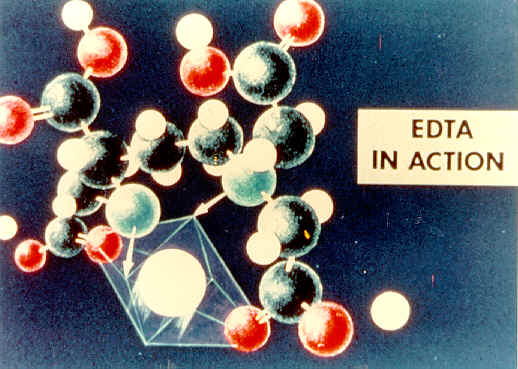
EDTA Chelation therapy for the detoxification for heavy metals has been in continuous use since the 1940s when it was introduced specifically for the treatment of lead poisoning.

It was very quickly observed that as the metals were eliminated, not only did the signs and symptoms of lead poisoning abate, but problems related to the circulatory system like heart attacks, angina, strokes, and peripheral vascular disease also improved.

For the past 50 years, well over one million people have received the intravenous form of EDTA chelation. As beneficial and life saving as this therapy has become, it is very expensive and very time-consuming, making it out of reach for most people.

more information: Chelation

more discussion: Forum
· Addiction Forum · Ask the Doctors Forum · Ayurveda Forum · Ayurvedic & Thai Herbs Forum · Colon Cleansing Forum · Dental Forum · Diabetes Forum · Diet Forum · General Cleansing Forum · Hepatitis A, B. C Forum · Integrated Medicine Forum · Live Blood Analysis Forum · Ozone-Oxygen-Forum · pH - Alkaline - Acidity Forum · Weight Loss Forum

Is Detoxamin safe for children?

Yes. In fact, our Detoxamin case studies were conducted on lead poisoning in children.

The study showed no significant increase in BUN or creatinine levels even in very young children. Due to our lower dosage and time release formulation, no renal toxicity was encountered.

What makes DetoxaminR the best method of Ca-EDTA chelation therapy?

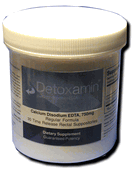
Detoxamin is a new patented method of Ca-EDTA chelation therapy medically equivalent to I.V. chelation therapy-the difference is that Detoxamin introduces a smaller dosage on a nightly basis.

Each Detoxamin suppository is designed to release 750 mg of Ca-EDTA directly into the bloodstream through the colon wall-safely, gradually, effectively.

When Detoxamin is taken prior to bedtime, there is less metabolic competition for EDTA, resulting in more passing through the system. This fact, combined with the lower, more frequent dosage, provides for safer administration of EDTA.

The key component that makes Detoxamin EDTA suppositories equal to the I.V. chelation method is its high rate of absorption. Detoxamin EDTA suppositories allow 90-95% absorption of EDTA through the colon wall.

In fact, EDTA absorption with Detoxamin EDTA Suppositories is so high that you would need to take 135 oral EDTA tablets (500mg each) to equal just five Detoxamin EDTA suppositories. For every three Detoxamin EDTA suppositories you receive the medical equivalent of one I.V. chelation Treatment.

This makes Detoxamin therapy the best method to deal with today's polluted world-hands down. Detoxamin makes chelation therapy private, convenient, and less expensive. Until now, the only successful way to administer EDTA has been either intravenous or intramuscular-both ways are difficult, expensive, and time consuming.

Detoxamin allows you to administer the therapy at home easily, safely, at about 30% of the traditional cost. Finally, you have a viable alternative to invasive I.V. needles, expensive office visits, and time consuming treatments.

more information: Chelation

more discussion: Forum
· Addiction Forum · Ask the Doctors Forum · Ayurveda Forum · Ayurvedic & Thai Herbs Forum · Colon Cleansing Forum · Dental Forum · Diabetes Forum · Diet Forum · General Cleansing Forum · Hepatitis A, B. C Forum · Integrated Medicine Forum · Live Blood Analysis Forum · Ozone-Oxygen-Forum · pH - Alkaline - Acidity Forum · Weight Loss Forum

Dr. Morton Walker Speaks on Detoxamin

Environmentalists warn us repeatedly that we live on a poisoned planet. Toxins from mercury, lead, aluminum, cadmium, iron, nickel, and about 20 more metallic minerals permeate the Earth's milieu. Heavy and light metals poison us by combining to create deleterious signs and symptoms often referred to collectively as Toxic Metal Syndrome.

This syndrome, an indicator of serious systemic pathology, results in degenerative diseases which affect no less than 92% of the populations of Western industrialized nations, in particular, those people living in apartment high-rises and other polluted city dwellings.

What happens to them?

These poisoned people eventually come down with manifestations of degenerative illnesses such as heart and/or blood vessel deteriorations; pancreatitis; gout, rheumatoid arthritis or osteoarthritis; the syndromes of yeast, chronic fatigue, and/or irritable bowel; Alzheimer's disease, multiple sclerosis, parkinsonism, cancer and many more.

Although a poisoned person's bones remain toxic for life, excellent self-treatment exists to reduce or reverse most symptoms of illness in other body parts. First, get tested for the extent of toxicity, then neutralize metallic poisoning with a chelating agent such as Detoxamin.

By applying the highly efficacious Detoxamin suppository containing Ca-EDTA, you remove toxic metal from cells all over the body. The self-administration is performed rectally before retiring so that as you sleep you remove the toxins. There's no more need for intravenous infusions.

Rectal chelation therapy does the job of detoxifying in a low-cost, convenient manner; it's an effective way to effuse EDTA through the bowel's walls and into your blood stream to clean toxic metals from all body cells.

more discussion: Forum
· Addiction Forum · Ask the Doctors Forum · Ayurveda Forum · Ayurvedic & Thai Herbs Forum · Colon Cleansing Forum · Dental Forum · Diabetes Forum · Diet Forum · General Cleansing Forum · Hepatitis A, B. C Forum · Integrated Medicine Forum · Live Blood Analysis Forum · Ozone-Oxygen-Forum · pH - Alkaline - Acidity Forum · Weight Loss Forum

Chemical & Heavy Metal Cleanse Starter Kit

Chemical & Heavy Metal Cleanse Starter Kit

$149.85
[ learn more ]

Add to Cart

The Chemical & Heavy Metal Starter Kit was designed by Dr. Group for individuals that are new to the cleansing process, or are simply looking for an easy-to-perform, cost effective cleanse program. The Heavy Metal Starter Kit is comprised of LIFE Detox Foot Patches™, NDF Plus™, and Quantum Zeolite™.

Tuesday, November 07, 2006

Be VERY Careful Which Hospital You Choose

The ninth annual HealthGrades Hospital Quality in America Study reveals that treatment outcomes at U.S. hospitals vary widely depending on the state, city or individual hospital.

The report uses a star rating system that grades 28 categories of procedures or diagnoses, ranging from one star (the worst) to five stars (the best).

Patients have a 69 percent lower risk of dying at five-star hospitals than they do at one-star hospitals, and the difference between the best and worst hospitals has widened by 5 percent since last year's report.

HealthGrades analyzed more than 40 million Medicare records to assess the quality of care at over 5,000 hospitals for their report.

If all hospitals were five-star rated, the lives of over 300,000 Medicare patients could have been saved between 2003 and 2005.

Fifty percent of the preventable deaths were linked to heart failure, community-acquired pneumonia, blood infection or respiratory failure.

A patient undergoing coronary bypass surgery has a 72.9 percent lower risk of dying at a five-star hospital.

Problems at the less highly rated hospitals included poor in-house management systems, understaffing, and the use of doctors unskilled in particular procedures.

The Ninth Annual HealthGrades Hospital Quality in America Study
Free Full PDF Report
Forbes.com October 16, 2006

Beating a Speeding Ticket After You Get One

If you can't afford the world's best radar detector and like to drive fast, someday you'll catch the eye of a state trooper who can't wait to write you a speeding ticket.

But that doesn't mean you can't beat one anyway, according to a law student who has successfully avoided 30 speeding tickets in his short life, often by treating police officers and the people who work in local jurisdictions like human beings and appealing to their generosity.

What follows are a few of the basic tips -- mixing law and persuasion -- for beating tickets, but check out the link below for the full list.

Develop a good rapport with the police officer immediately by not displaying a combative attitude.

After politely dispensing with all the formalities -- giving the officer the information he or she needs with the right attitude -- ask the officer if you can see the radar gun.

Plead your case, only after you've reviewed the basics with the officer and developed a rapport, but don't grovel.

If the above steps fail, appeal to the officer's emotions by giving him or her a call or writing a letter afterward, and be professional, civil and sincere in your approach.

Lifehacker.com October 19, 2006

Finally, Science Starts to Challenge Lower Cholesterol Craziness

A new review paper has raised doubts about the cholesterol-lowering recommendations made two years ago by the U.S. government's National Cholesterol Education Program panel.

The panel advised those at risk for heart disease to attempt to reduce their LDL cholesterol to specific, very low, levels.

The new paper argues that there is insufficient evidence to support the target numbers outlined by the panel, challenging the mainstream medical belief that lower cholesterol levels are always better.

Before 2004, a 130-milligram LDL cholesterol level was considered healthy. The updated guidelines, however, recommended levels of less than 100, or even less than 70 for patients at very high risk. These targets often require multiple cholesterol-lowering drugs.

The authors of the new review of studies stated that they were unable to find research that provided evidence that achieving a specific LDL target level was important in and of itself, and that the studies attempting to do so suffered from major flaws.

Several of the scientists who helped develop the guidelines admitted that the scientific evidence supporting the less-than-70 recommendation was not very strong.

Annals of Internal Medicine October 3, 2006; 145(7): 520-530
New York Times October 17, 2006
Times Daily October 17, 2006

Real Cause of E. coli Spinach Problem

Two studies in the Journal of Infectious Diseases call the safety of our food supply into question; one uncovers a new bacterial danger, and the other shows that antibiotic use in livestock increases the danger of antibiotic resistance in humans.

The first study implicated Yersinia pseudotuberculosis as the cause of an outbreak of food-borne illness among children in a Finnish town. The bacteria was traced to carrots grown on a single farm. This was the first time this type of bacteria had been recovered from an epidemiologically implicated source of food-borne illness.

Yersinia pseudotuberculosis is a well-known pathogen in wild mammals, and wild animals likely infected the carrots, which were stored for months in open containers.

The bacteria was further spread when the carrots were washed and peeled. The authors of the study called for regulations addressing the production, storage and shipping conditions for fresh produce in order to prevent similar problems.

The second study found that exposing poultry to the antibiotic virginiamycin led to resistant forms of the bacteria E. faecium in humans. After being exposed to virginiamycin, E. faecium from conventional poultry and from patients who consumed poultry became resistant more often.

An editorial commenting on the studies noted that the findings are "examples of how industrialization of food production ... carries and even amplifies risk for unaware consumers."

The Journal of Infectious Diseases November 2006; 194: 1209-1216
The Journal of Infectious Diseases November 2006; 194: 1191-1193
EurekAlert October 3, 2006

Paratrex®

Paratrex®

$32.95
[ learn more ]

Add to Cart

Get Paratrex® and promote a natural cleansing of your system. Paratrex® helps create an environment hostile to invading organisms. Help flush your system clean!

Advanced Body Cleansing Kit

Advanced Body Cleansing Kit

$147.75
[ learn more ]

Add to Cart

Advanced Body Cleansing Kit with Livatrex™, Oxy-Powder®, Latero-Flora™ and two bottles of ParaTrex®.